
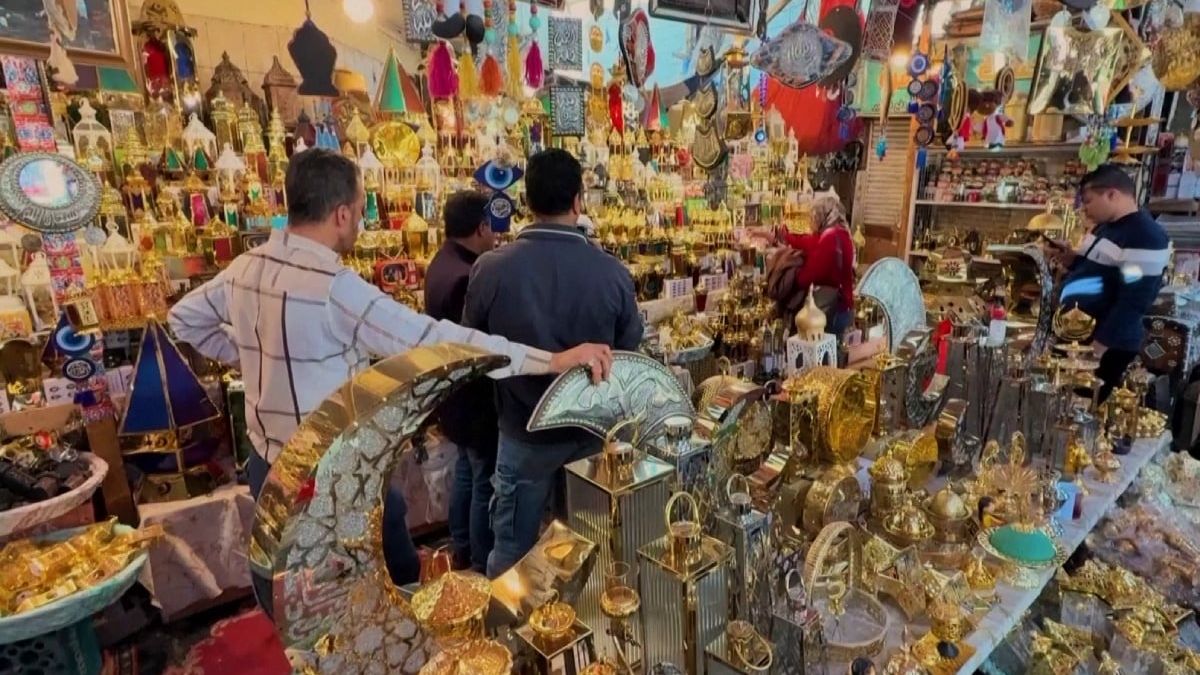
Islamic Countries Celebrate Start of Ramadan with Lights, Lanterns and Festivities
Islamic countries have adorned themselves with colorful lights, traditional lanterns and special decorations as Ramadan begins. Markets, streets and mosques have assumed a spiritual atmosphere, with people starting the fasting month enthusiastically.
In Saudi Arabia, Egypt, Qatar, Syria, Lebanon, Iran, Pakistan, Indonesia and other nations, Ramadan brings light, color, joy and special ceremonies. Beyond fasting, the month emphasizes increased worship, aid to the needy and social solidarity.
Hiyam Al-Batawi, an Egyptian citizen, said: "Ramadan in Egypt has a different atmosphere. We celebrate with lanterns, various dried fruits and big parties with friends. These are all the special attractions of Egypt that you can't find anywhere else in the world."
Susan Subra, a Lebanese citizen, said: "Decorations bring joy to children, both young and old. Thank God, it gives us the atmosphere of Ramadan."
Samer Al-Hamawi, a Syrian citizen, said: "All regions of Syria are full of joy and hope during Ramadan. Ramadan is beautiful with its preparations, joy and kind people."
In Pakistan, people have rushed to markets for Ramadan foodstuffs despite price rise concerns. In cities like Karachi, residents blame high inflation. Gulqadam Malek, a Pakistani citizen, said: "Last year, if someone had chickpeas, lentils, oil and other necessities, they would buy 10 kilos, but today they are forced to buy only 5 kilos. That means people have reduced their purchases."
In Gaza Strip, Palestinians craft colorful lanterns from empty soda cans to bring joy to children amid limited resources. They describe it as the first Ramadan after a ceasefire, aiming to restore hope. Mohammed Al-Najar, a Gaza resident, said: "Before the war, we lived the atmosphere of Ramadan, we were happy, decorated, made lanterns and made children happy. Now, because of the war, siege and lack of real lanterns, I used soda cans to make children happy."
Ramadan, the ninth and holiest month in the Islamic calendar and one of Islam's five pillars, requires Muslims worldwide to abstain from eating and drinking from dawn to sunset. It starts with suhoor before sunrise and ends with iftar after sunset.
Know more about this story?
If you have additional information or believe something is inaccurate, let us know. Your tips help us stay accurate.
More in Culture
Afghanistan's national cricket team to face Canada in final 2026 T20 World Cup match

Samuel Sadiqi Summits Aconcagua Peak
Afghanistan Cricket Board Announces New Decisions for Provincial Cricket Order and Development
Ministry of Information and Culture Promotes Social Morals through Public Awareness Programs
 Reliable
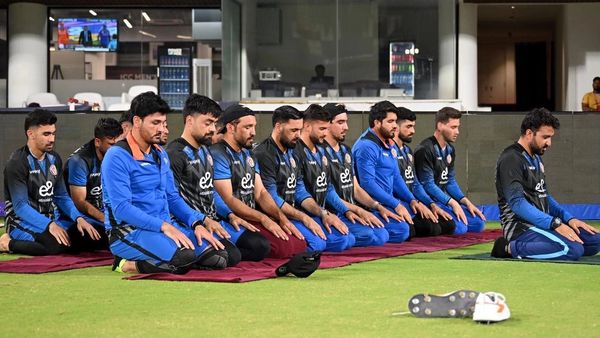
Afghanistan's national cricket team to face Canada in final 2026 T20 World Cup match
Afghanistan's cricket team faces Canada in its last 2026 T20 World Cup group match in Chennai, with coach Jonathan Trott set to depart after the game. The match will not impact qualification as both teams are eliminated.
 Reliable
Samuel Sadiqi Summits Aconcagua Peak
Samuel Sadiqi, founder of Afghan Pix, summited Aconcagua, South America's highest peak, continuing his efforts to inspire Afghan youth through mountaineering achievements.
 Reliable
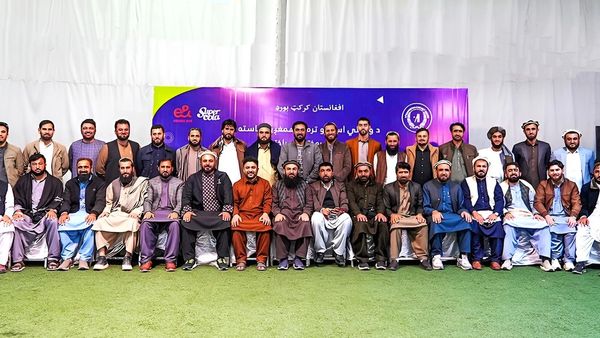
Afghanistan Cricket Board Announces New Decisions for Provincial Cricket Order and Development
Afghanistan Cricket Board officials and provincial cricket directors have agreed on new measures to enhance order, competitions, and development of cricket across Afghanistan's provinces.
 Unconfirmed
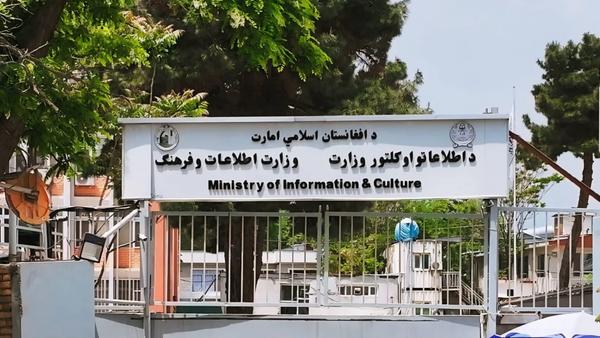
Ministry of Information and Culture Promotes Social Morals through Public Awareness Programs
The Islamic Emirate's Ministry of Information and Culture is running public awareness campaigns to promote Islamic morals, family values and discourage unlawful behavior through urban messaging, events and school programs.