
Iran Blames US and Israel Policies for Surge in Global Oil Prices
Abbas Araghchi stated that policies and military actions by the United States and Israel are responsible for the recent surge in global oil prices.
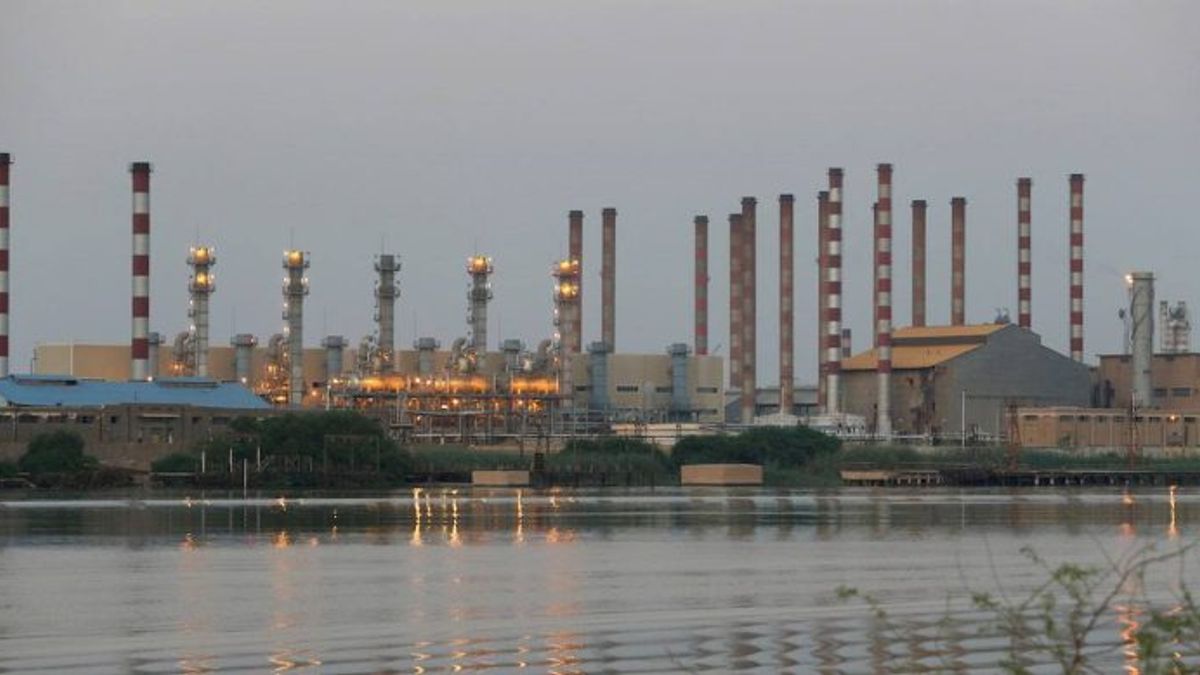
Speaking during the annual Quds Day rally in Tehran, Araghchi told reporters that instability created by Washington and Tel Aviv in the region has driven energy prices significantly higher. He pointed to ongoing crises in the Middle East, including attacks on oil tankers and energy infrastructure in the Persian Gulf, as directly affecting global energy markets.
Oil prices briefly surged above $100 per barrel this week as tensions intensified. Brent crude reached around $101 in Asian trading, while US WTI crude traded above $96, reflecting market fears of further disruptions.
Araghchi's comments come amid escalating military confrontations between Iran and its rivals. These include recent US strikes on Iranian positions and reports of heavy attacks on Kharg Island. Regional tensions have also spread to Iraq, where a rocket struck the compound of the United States Embassy in Baghdad.
In Saudi Arabia, reports indicated Iranian strikes damaged five US aerial refueling aircraft at Prince Sultan Air Base, raising concerns about the safety of US military assets in the region.
The developments highlight a growing geopolitical crisis in the Middle East, where hostilities between Iran, the United States and Israel continue to impact global energy markets and regional stability.
Know more about this story?
If you have additional information or believe something is inaccurate, let us know. Your tips help us stay accurate.
Sources (1)
More in International
US-Iran War Enters 16th Day as White House Aide Urges Withdrawal, Trump Rejects Ceasefire
India Faces Gas Shortages Due to Strait of Hormuz Closure Amid Middle East Tensions
Netanyahu's Office Denies Viral Social Media Rumors of His Death

European Union Extends Sanctions Against More Than 2,600 Russian Individuals and Entities Until September
 Reliable
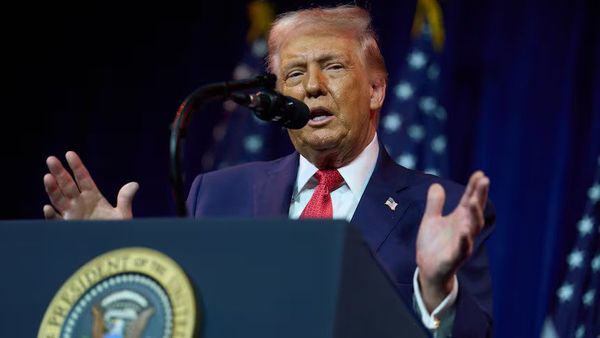
US-Iran War Enters 16th Day as White House Aide Urges Withdrawal, Trump Rejects Ceasefire
The US-Iran war, now in its 16th day, features conflicting U.S. positions: a White House aide urging withdrawal while President Trump rejects a ceasefire, amid mutual claims of heavy damage from strikes and counterstrikes.
 Developing
India Faces Gas Shortages Due to Strait of Hormuz Closure Amid Middle East Tensions
India is experiencing severe gas shortages with long lines at distribution centers due to Iran's closure of the Strait of Hormuz amid US-Israel tensions, halting about one-fifth of global oil and gas supplies. Iran recently allowed two Indian LNG carriers to pass, while analysts warn of a potential energy crisis if the conflict continues.
 Reliable
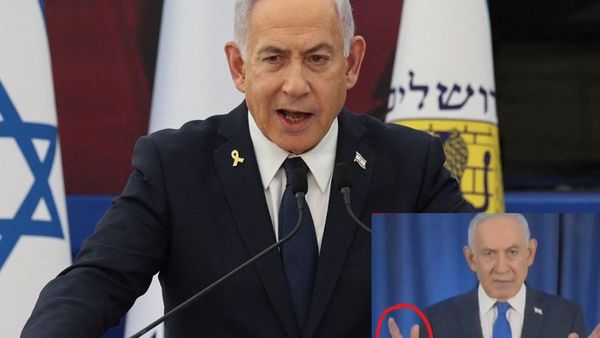
Netanyahu's Office Denies Viral Social Media Rumors of His Death
Israeli Prime Minister Benjamin Netanyahu's office denied viral social media rumors of his death amid the Israel-US-Iran conflict, confirming he is safe and well. Fact-checks debunked fabricated screenshots and claims of AI manipulation in a video of him speaking.
 Reliable
European Union Extends Sanctions Against More Than 2,600 Russian Individuals and Entities Until September
The European Union has extended sanctions against more than 2,600 Russian individuals and entities until September 15, targeting those undermining Ukraine's territorial integrity. During the list review, two names were not extended and five deceased individuals were removed, amid unconfirmed reports of delisting requests for Mikhail Fridman and Alisher Usmanov.