
IOM Report: 79% of Internal Displacements in Early 2025 Due to Climate Challenges and Natural Disasters
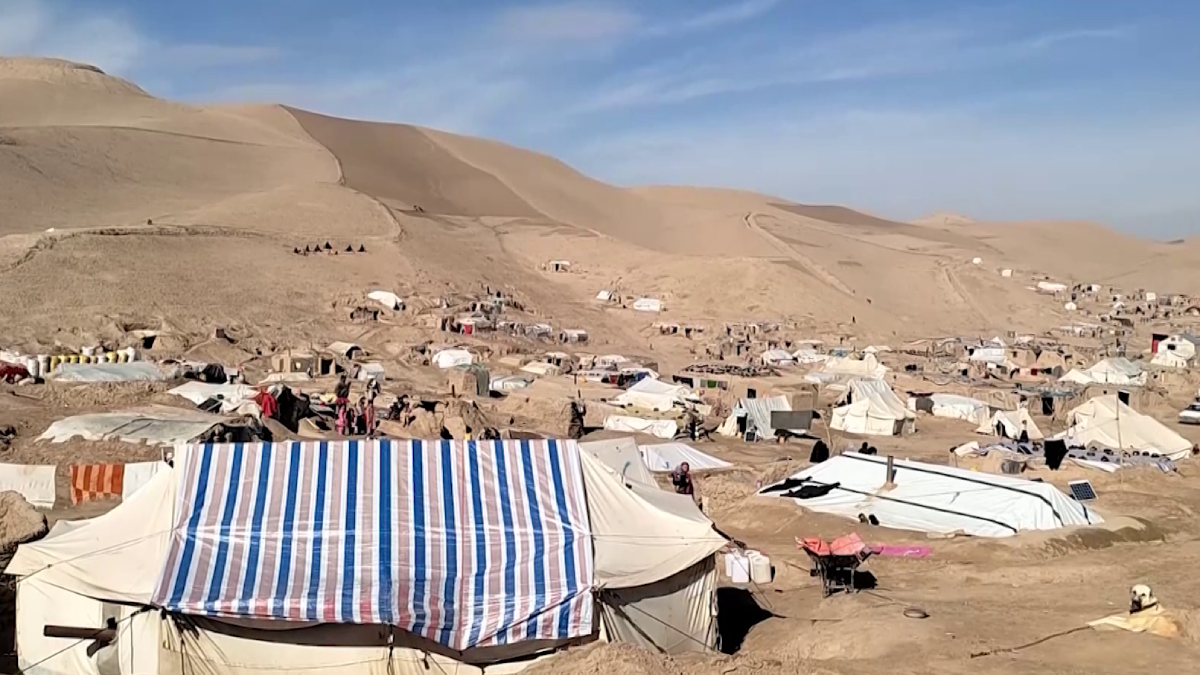
The International Organization for Migration (IOM) released a climate vulnerability assessment report for Afghanistan, stating that 79% of internal displacements in the first three months of 2025 were caused by climate challenges and natural disasters.
Severe drought, reduced water and soil fertility, erosion, and multiple earthquakes were identified as the main causes of displacement. The provinces of Herat, Balkh, Kabul, and Nangarhar have hosted 45% of all internally displaced persons (IDPs) from 2021 to 2025. During the same period, more than 675,000 people left Afghanistan due to climate impacts on their livelihoods.
Mazher Al-Hamdani, IOM senior program coordinator, said: "Overall, environmental risks affected 9.9 million people last year and remain one of the main drivers of displacement; an estimated 1.6 million people were forced to relocate. Despite increasing risks, basic infrastructure and services in the country remain severely limited. Most communities lack access to emergency services, creating further challenges in people's access to these services."
The report noted that over 95% of communities in northern and western provinces have been affected by drought, placing severe pressure on agriculture and livestock rearing, which are the main livelihoods for many Afghans.
Farmer Mohammad Hanif told ToloNews: "Last year there was little rain, our crops dried up from mid-summer, and no one got any yield from it; now, God knows, if there is drought, I don't think our farming will progress."
Another farmer, Abdul Samad, said: "We ask the Islamic Emirate to pay attention to us and help us so that our agriculture suffers less damage."
Environment expert Syed Mohammad Sulaiman Khel warned that continued drought and economic pressures, without timely prevention, could have more negative effects on society. He added: "The impacts of climate change unfortunately continue; if we cannot stop droughts and floods, the number of IDPs will increase, and people will be forced to migrate abroad for their livelihoods."
Previously, UN agencies including OCHA reported that 67% of Afghanistan's population faces water scarcity and drought, with millions needing water and sanitation assistance.
More in Economy
Over 166,000 Returning Migrants Registered for Employment
Taliban announce start of survey for Afghan-Tajik oil field in northern Afghanistan
Pakistan's Exports to Afghanistan Decrease by 60 Percent
Regular Meeting of Economic Commission of Afghanistan's Prime Minister's Office Held
 Reliable
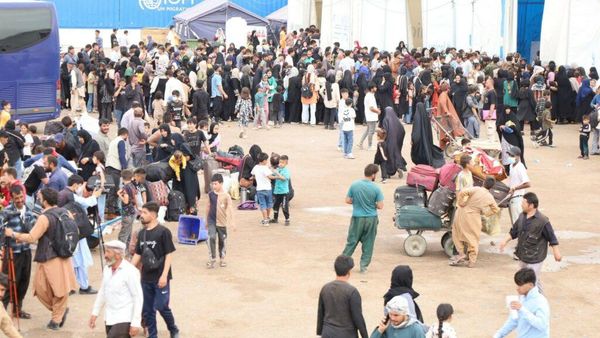
Over 166,000 Returning Migrants Registered for Employment
A committee of the Islamic Emirate has registered over 166,000 returning migrants for jobs and facilitated employment or training for thousands, its deputy spokesman said.
 Reliable
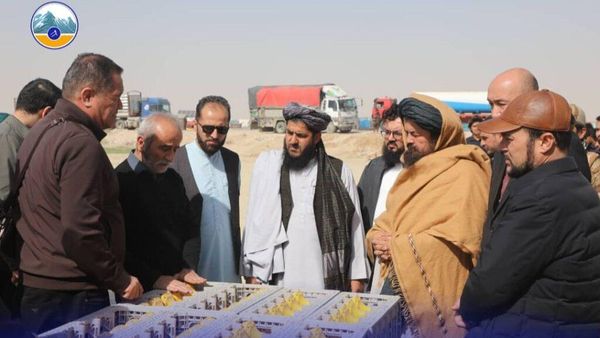
Taliban announce start of survey for Afghan-Tajik oil field in northern Afghanistan
The Taliban Ministry of Mines and Petroleum announced the start of a 2D seismic survey by an Uzbek company on three blocks of the Afghan-Tajik oil field in Balkh province. Officials highlighted strong ties with Uzbekistan and the field's potential for sustainable development.
 Reliable
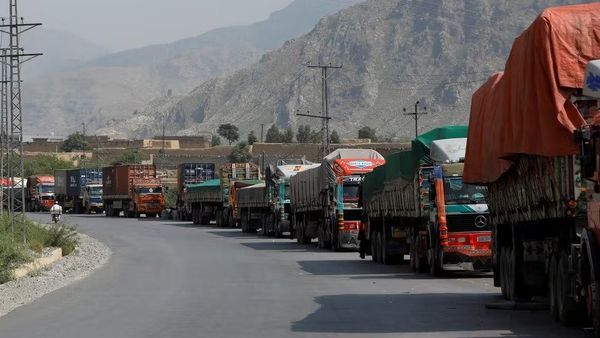
Pakistan's Exports to Afghanistan Decrease by 60 Percent
Pakistan's trade with Afghanistan dropped nearly 60 percent in seven months to $228 million amid border closures after October 2025 clashes, State Bank of Pakistan data shows. The measures follow security tensions involving TTP, with Russia estimating thousands of foreign militants in Afghanistan, a claim rejected by Taliban spokesperson Zabiullah Mujahid.
 Reliable
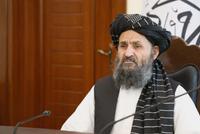
Regular Meeting of Economic Commission of Afghanistan's Prime Minister's Office Held
Afghanistan's Economic Commission, chaired by Mullah Abdul Ghani Baradar, approved new revenue opportunities projected to add 60 billion Afghanis to the budget, standards for various products, and water projects for Kabul.