
Impact of India-Europe Free Trade Agreement on Afghanistan and Central Asia
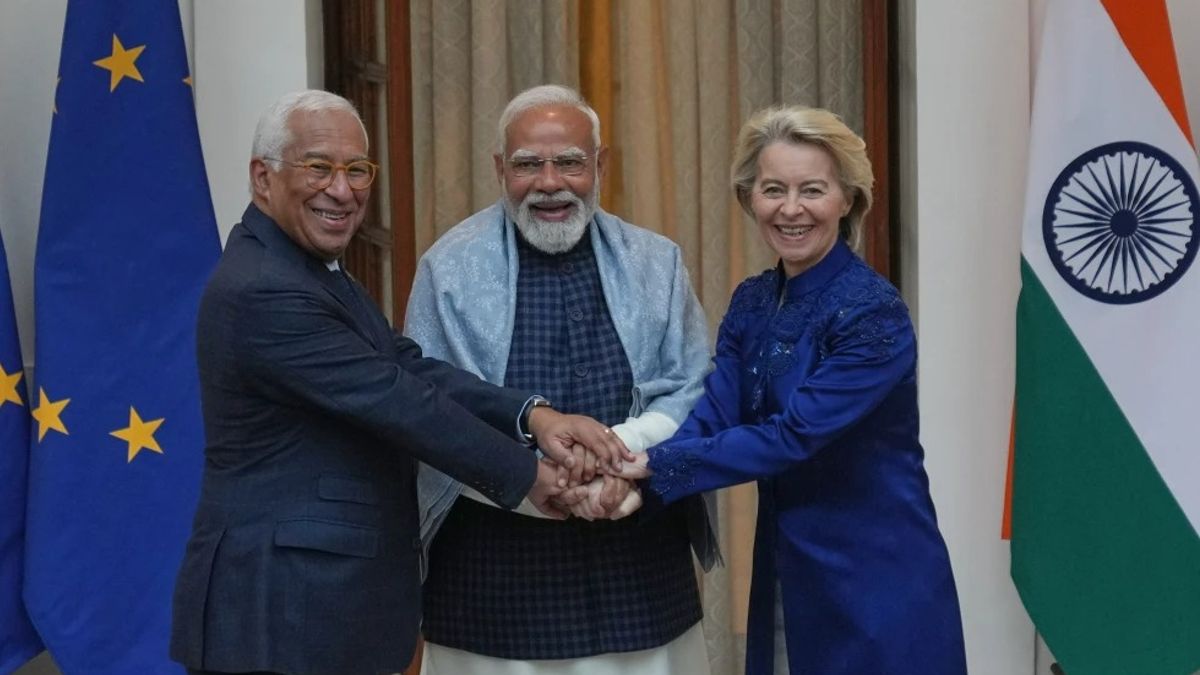
A free trade agreement between India and the European Union, signed on January 27, 2026, during the India-EU Trade Conference by the EU Commission President and Indian Prime Minister, is expected to have significant effects on Afghanistan and Central Asian countries.
Indian Prime Minister described the deal as the "biggest historical agreement," while the EU Commission President called it the "mother of all agreements." The pact links India's growing economy to the EU's market, valued at over 23 trillion euros, encompassing around two billion people and more than 25% of global GDP. Current bilateral trade stands at about 130 billion dollars, below its potential.
The agreement eliminates tariffs on more than 90% of tariff lines, covering 91% of trade value for the EU, and 86% of lines (93% by value) for India. Both sides will gradually liberalize additional lines, reaching overall liberalization of 96.6% for India and 99.3% for the EU.
Afghanistan and Central Asian nations, serving as key transit routes between India and Europe, stand to benefit through increased trade volumes, higher transit and transport revenues, and job creation, provided transportation infrastructure improves and Afghanistan's political situation stabilizes. The deal is also anticipated to attract foreign direct investments from Indian and European companies into sectors such as agriculture, energy, infrastructure, mining, and technology.
Joint investments could enhance regional infrastructure, particularly transport corridors, facilitating faster goods transit. The agreement carries geopolitical implications, influenced by pressures from Washington and Beijing, potentially shifting power balances and increasing India's regional influence.
More in Economy
Iran Reports 17-Fold Increase in Rail Shipments to Afghanistan
Rural Rehabilitation Minister: Projects Implemented in Remote Areas Where Needed

Inter-Ministerial Investment Committee Approves Commercial Market Plan in Sar-e Pol Center
Supreme Labor Council Discusses Creating New Job Opportunities Aligned with Market Needs
 Reliable
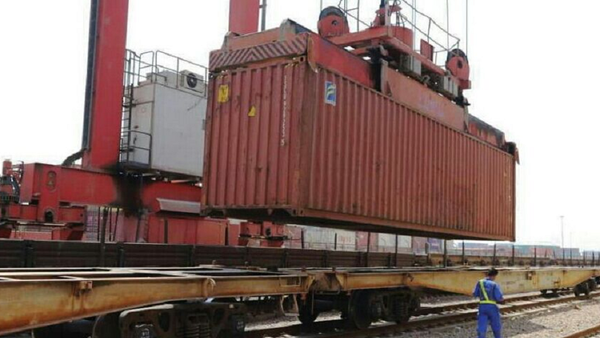
Iran Reports 17-Fold Increase in Rail Shipments to Afghanistan
Iran reports a 17-fold surge in rail shipments to Afghanistan, with goals for further increases, while Uzbekistan aims for $5 billion in bilateral trade and Pakistan resumes transit cargo movements to its ports.
 Reliable
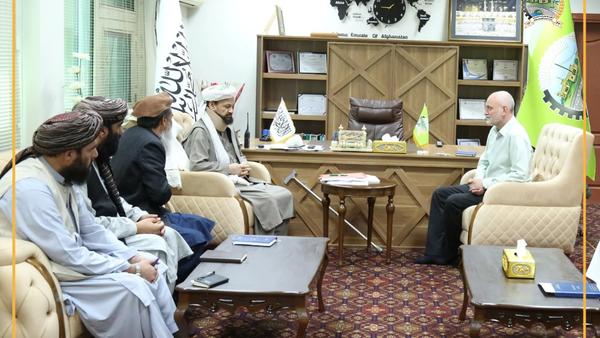
Rural Rehabilitation Minister: Projects Implemented in Remote Areas Where Needed
Afghanistan's Rural Rehabilitation and Development Minister Mullah Abdul Latif Mansour met with Dakar Institute head Peter Torning, stressing projects in remote areas and crediting security for nationwide implementation.
 Reliable
Inter-Ministerial Investment Committee Approves Commercial Market Plan in Sar-e Pol Center
Afghanistan's inter-ministerial investment committee approved a plan for a commercial market in Sar-e Pol province center and discussed private sector proposals for public facilities in Kabul. A follow-up committee will negotiate details and report back.
 Reliable
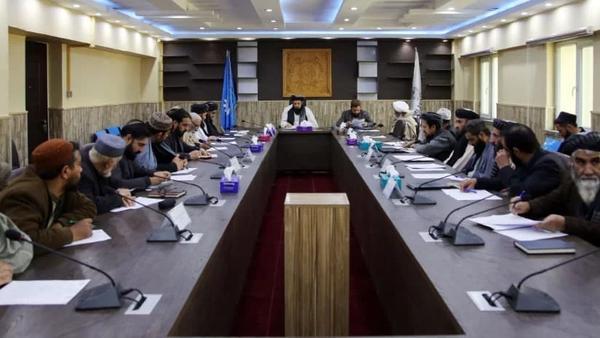
Supreme Labor Council Discusses Creating New Job Opportunities Aligned with Market Needs
Afghanistan's Supreme Labor Council discussed strategies to reduce unemployment, create market-aligned jobs, and prioritize employment for returnee migrants, deciding to form a coordination committee involving multiple ministries and the private sector.