
Hasht-e Subh Questions Sincerity of Taliban Defense Minister's Unity Call
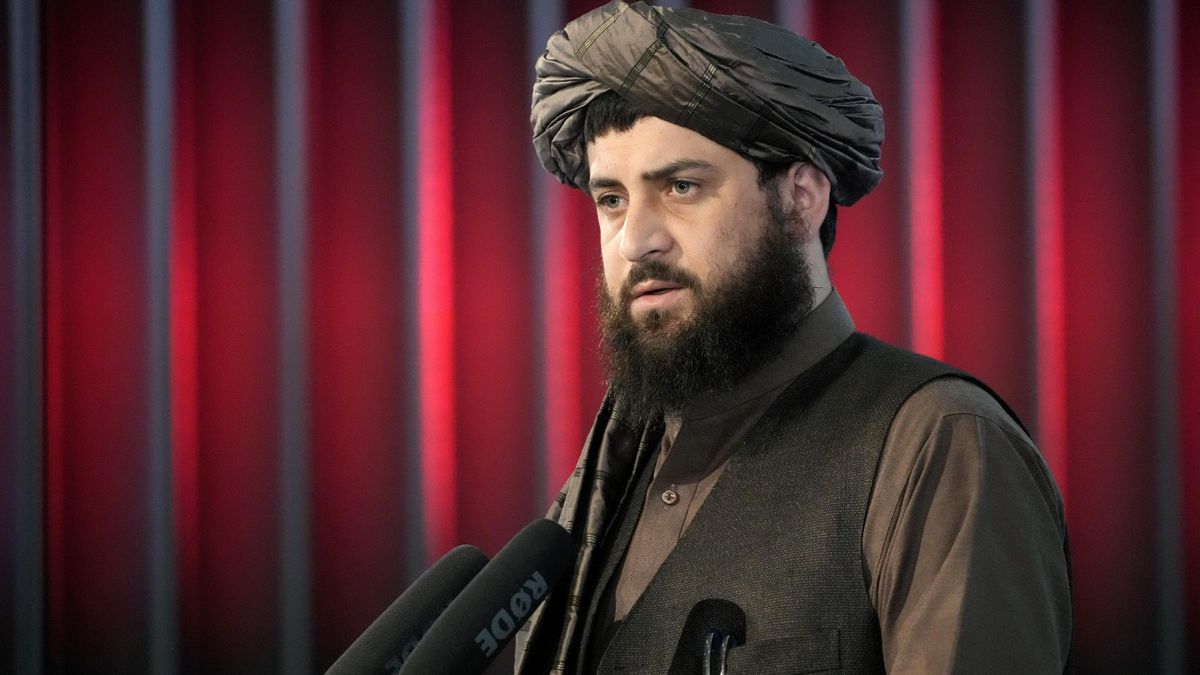
Taliban Defense Minister Mohammad Yaqub Mujahid urged attendees at a ceremony in Kabul marking the anniversary of the Soviet military withdrawal from Afghanistan on February 15 (26 Dalwa) to forget past grievances and focus on unity. In his speech, Mujahid said: "Forget the past. Think about the future. Don't think about which faction this one was with or that one. Don't think this person did this or that against us and today is the day of revenge. If you think of revenge, this blessing won't last. Think about the result. Ethnic and linguistic prejudices are narrow-mindedness. Don't do something that wise people call you crazy. We must leave a white and proud history, not one written in black or red."
Hasht-e Subh notes that Mujahid's audience was primarily Taliban members, and similar calls for unity and avoidance of revenge have been made by other senior Taliban figures, including Interior Minister Sirajuddin Haqqani and leader Hibatullah Akhundzada. Recent reports indicated Akhundzada emphasized preserving multilingual signs on buildings to promote unity.
The outlet identifies Mujahid, Haqqani, and Akhundzada as key power blocs within the Taliban regime, from whom others seek obedience. It questions why their public emphasis on unity is not reflected in the regime's daily operations, proposing two hypotheses: either such statements are rhetorical and populist, intended for domestic and international consumption without addressing core issues; or subordinates disregard them, though the second is deemed unlikely given the regime's centralized structure under Akhundzada in Kandahar.
Hasht-e Subh argues that the Taliban's concept of unity implies "unity in obedience" rather than participatory inclusion, acceptance of social-cultural diversity, or equitable power-sharing. Non-revengeseeking, in this view, means avoiding overt killings but not addressing emerging ethnic-linguistic discrimination.
The piece suggests Taliban leaders invoke unity on emotionally resonant occasions like the Soviet withdrawal anniversary, viewed positively by many Afghans, to exploit public sentiment rather than signal policy shifts.
Know more about this story?
If you have additional information or believe something is inaccurate, let us know. Your tips help us stay accurate.
More in Politics
Joint Workshop Examines Islamic Emirate of Afghanistan's Foreign Policy Prospects
Pakistani politician warns Taliban policies leading Pashtuns to destruction

Islamic Emirate Deputy Prime Minister Hanafi Attends Introduction Ceremony for New Transport and Civil Aviation Minister
Administrative Commission Session Held Under Chairmanship of Maulvi Abdul Salam Hanafi
 Reliable
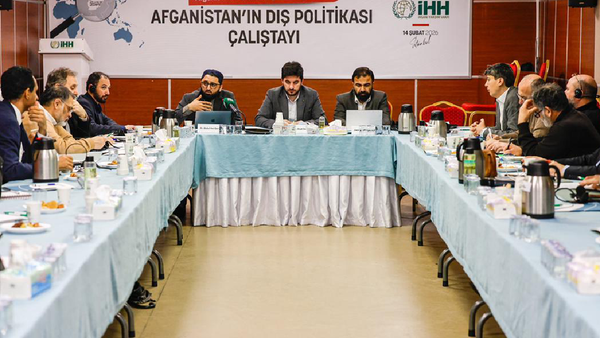
Joint Workshop Examines Islamic Emirate of Afghanistan's Foreign Policy Prospects
A workshop by the EnSamar Institute and the Islamic Emirate's Strategic Studies Center discussed balanced foreign policy, emphasizing dialogue, mutual respect, and engagement with regional and global powers.
 Reliable
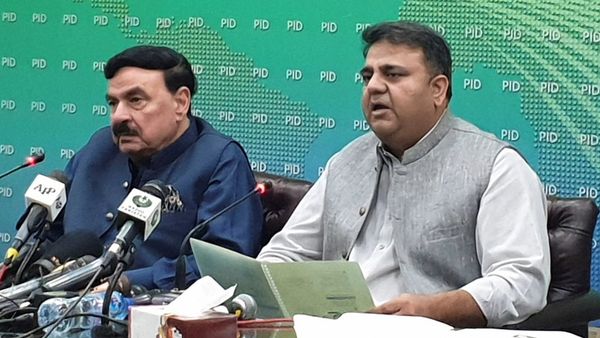
Pakistani politician warns Taliban policies leading Pashtuns to destruction
Former Pakistani minister Fawad Chaudhry warned that Pakistani Taliban policies in Khyber Pakhtunkhwa are destroying Pashtun society and urged a return to non-violent reforms. He criticized restrictions on music, education, and women's rights, drawing parallels to Afghan Taliban practices.
 Reliable
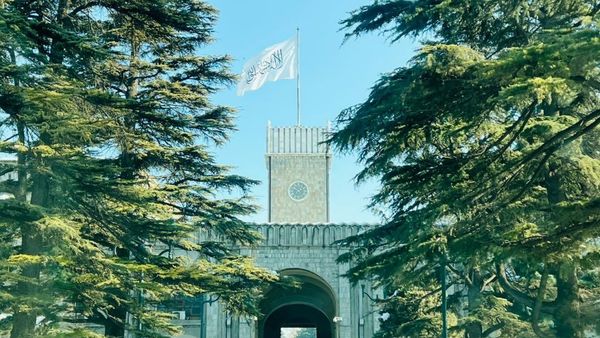
Islamic Emirate Deputy Prime Minister Hanafi Attends Introduction Ceremony for New Transport and Civil Aviation Minister
Maulvi Abdul Salam Hanafi, deputy administrative prime minister of the Islamic Emirate of Afghanistan, spoke at the ceremony introducing Mullah Mohammad Fazil Akhund as the new minister of transport and civil aviation, praising his past service and calling for infrastructure improvements.
 Reliable
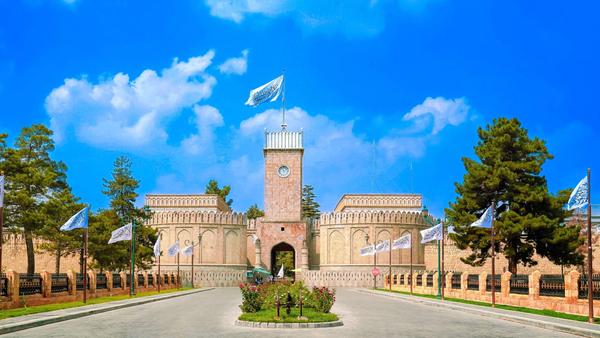
Administrative Commission Session Held Under Chairmanship of Maulvi Abdul Salam Hanafi
The Administrative Commission convened under Maulvi Abdul Salam Hanafi, reviewing committee reports and making decisions on finance and oil and gas sectors while assigning further tasks.