
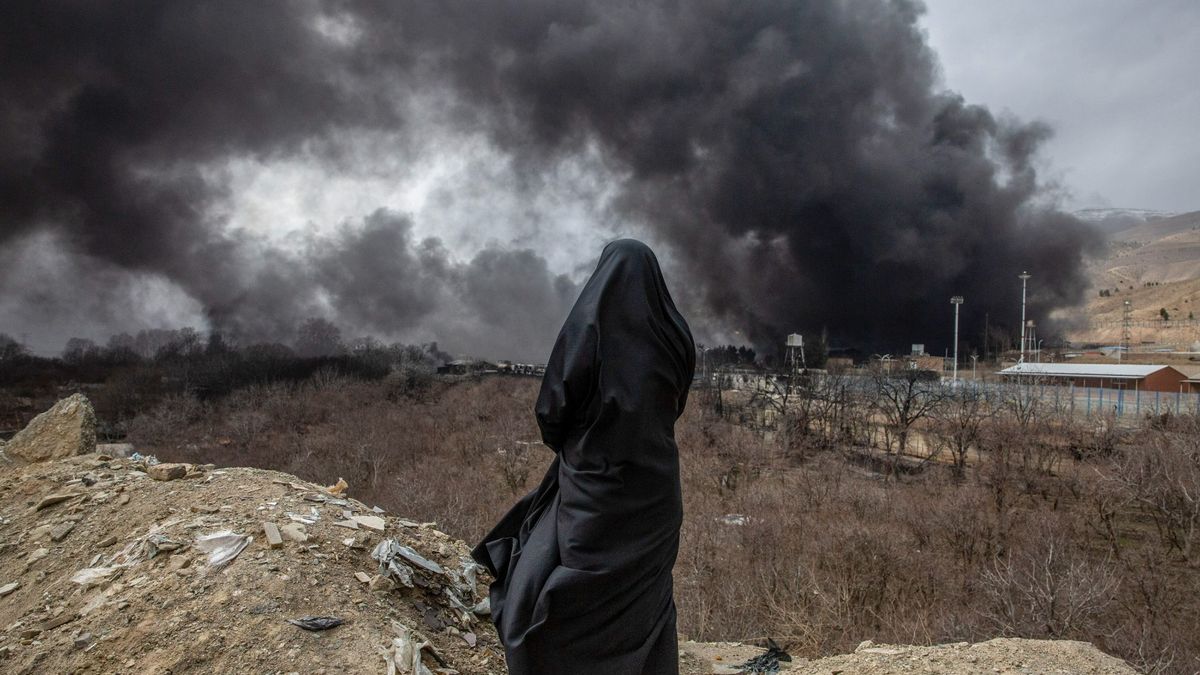
Hasht-e Subh Analyzes Iran's Isolation Following UN Security Council Session
A recent United Nations Security Council session highlighted Iran's international isolation, according to Hasht-e Subh. A resolution condemning Iran's actions, proposed by Bahrain, was adopted, while a Russian draft for a ceasefire was rejected. China and Russia, described as Iran's strategic allies, abstained rather than voting against the Bahrain resolution.
The outlet attributes Iran's predicament to several factors. First, Iran is portrayed as an anti-system actor opposing the Western-dominated global order, though this opposition is framed as primarily targeting U.S. leadership rather than the system itself. It suggests that under Donald Trump, the U.S. seeks to either integrate Iran into the system through force or negotiation or remove it if unsuccessful. This stance is said to lack support even from allies like Russia and China.
Second, Iran's ideological enmity toward Israel is cited as a key contributor to its isolation. Hasht-e Subh notes that Iran has pursued Israel's destruction since its inception, arming regional forces that threaten other countries' interests. This policy is described as flawed, unauthorized internationally, and a barrier to normalizing relations with the West, particularly the U.S. Even China and Russia are said to disapprove of this overt hostility.
Third, Iran's opposition to Israel and the Western order has left it without loyal friends in the East. Despite recent attacks on Iran attributed to the U.S., most countries have refrained from condemnation. European nations are portrayed as following U.S. policy, while Arab states fear Washington and welcome Iran's weakening. In contrast, during a previous "12-day war," many condemned Israeli strikes on Iran, as the U.S. was not directly involved beyond nuclear facility bombings.
The analysis underscores U.S. influence in shaping international consensus, even if perceived as unfair by some.
Know more about this story?
If you have additional information or believe something is inaccurate, let us know. Your tips help us stay accurate.
Sources (1)
More in International
US-Iran War Enters 16th Day as White House Aide Urges Withdrawal, Trump Rejects Ceasefire

India Faces Gas Shortages Due to Strait of Hormuz Closure Amid Middle East Tensions
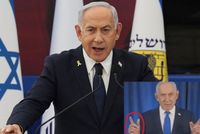
Netanyahu's Office Denies Viral Social Media Rumors of His Death

European Union Extends Sanctions Against More Than 2,600 Russian Individuals and Entities Until September
 Reliable
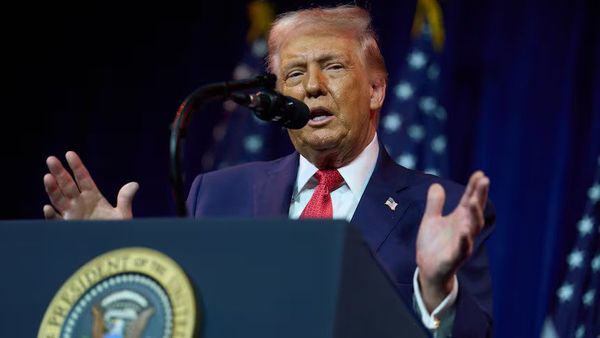
US-Iran War Enters 16th Day as White House Aide Urges Withdrawal, Trump Rejects Ceasefire
The US-Iran war, now in its 16th day, features conflicting U.S. positions: a White House aide urging withdrawal while President Trump rejects a ceasefire, amid mutual claims of heavy damage from strikes and counterstrikes.
 Developing
India Faces Gas Shortages Due to Strait of Hormuz Closure Amid Middle East Tensions
India is experiencing severe gas shortages with long lines at distribution centers due to Iran's closure of the Strait of Hormuz amid US-Israel tensions, halting about one-fifth of global oil and gas supplies. Iran recently allowed two Indian LNG carriers to pass, while analysts warn of a potential energy crisis if the conflict continues.
 Reliable
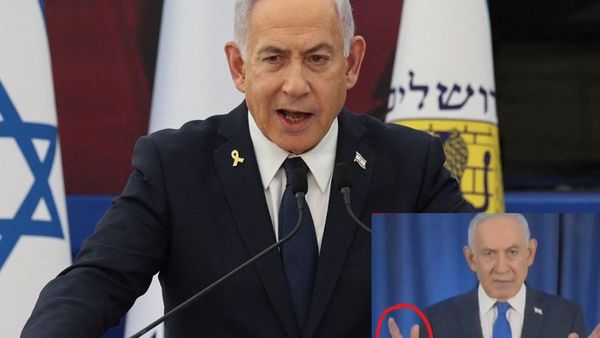
Netanyahu's Office Denies Viral Social Media Rumors of His Death
Israeli Prime Minister Benjamin Netanyahu's office denied viral social media rumors of his death amid the Israel-US-Iran conflict, confirming he is safe and well. Fact-checks debunked fabricated screenshots and claims of AI manipulation in a video of him speaking.
 Reliable
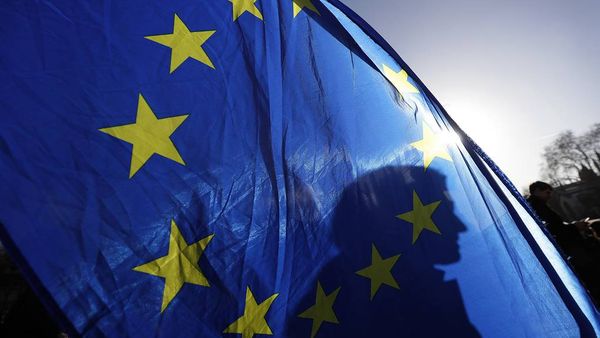
European Union Extends Sanctions Against More Than 2,600 Russian Individuals and Entities Until September
The European Union has extended sanctions against more than 2,600 Russian individuals and entities until September 15, targeting those undermining Ukraine's territorial integrity. During the list review, two names were not extended and five deceased individuals were removed, amid unconfirmed reports of delisting requests for Mikhail Fridman and Alisher Usmanov.