
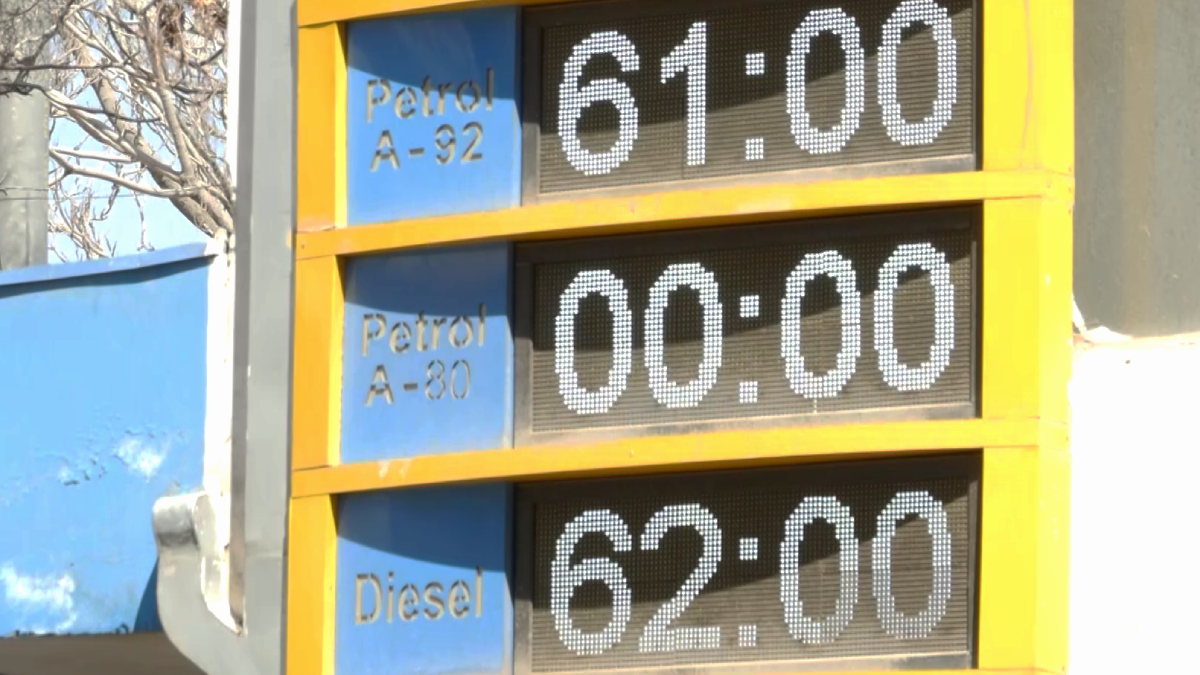
Fuel Prices Decrease Slightly in Afghanistan Amid Global Increases Due to Middle East Conflicts
Fuel prices in Afghanistan have slightly decreased after an initial surge, even as global prices rise due to conflicts in the Middle East.
Diesel oil prices fell from 66 Afghanis to 62 Afghanis per liter, petrol from 66 Afghanis to 61 Afghanis per liter, and LPG from 55 Afghanis to 50 Afghanis per kilogram. The decreases amount to about 5 Afghanis across the fuels following an earlier rise of up to 10 Afghanis.
Economic expert Sair Qureshi attributed the drop to low import taxes on fuel and sourcing primarily from neighboring Central Asian countries. "The reason the price of fuel has decreased in Afghanistan is that there is less tax on fuel imports in the country, and prices are mostly determined by the market and traders," Qureshi said. "On the other hand, Afghanistan imports more fuel from neighboring Central Asian countries."
Drivers in Kabul welcomed the reductions but called for further cuts to ease economic pressures. Amin, a driver, said: "Although the fuel rate is controlled, we cannot work enough to cover both vehicle expenses and family needs." Ahmad Milad, another driver, added: "If the gas price is, for example, 60 Afghanis, it saves us up to 250 Afghanis, and if it is 50 Afghanis, it saves us 300 to 350 Afghanis, and we also pay taxes to the government, and this high price is difficult for us."
Fuel companies cited regional developments for the initial price spike and pledged continued market stabilization. Mohammad Nabi Bahar, spokesman for the General Directorate of Fuel Companies, said: "Prices are controlled in various markets across the country, and efforts continue to take control of the market, prevent hoarding, and supply fuel and gas in the country's markets as much as possible."
Global fuel price fluctuations persist, with Afghan citizens hoping for further domestic declines as market stability improves.
Know more about this story?
If you have additional information or believe something is inaccurate, let us know. Your tips help us stay accurate.
Sources (1)
More in Economy
Rising Residential Rents and Housing Shortage Raise Concerns Among Kabul Residents

Crimea's Agriculture Minister Says Afghanistan, Azerbaijan Replacing Part of Iran's Products in Russian Market
Afghan and Turkmen Officials Discuss Accelerating TAPI Pipeline Land Acquisition
Laghman Electricity Directorate Collects 360 Million Afghanis in Annual Revenue
 Reliable
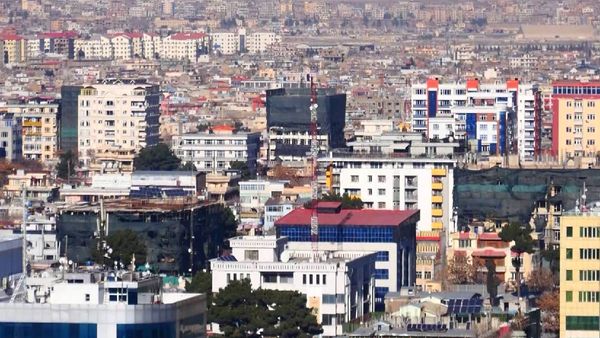
Rising Residential Rents and Housing Shortage Raise Concerns Among Kabul Residents
Kabul residents are complaining about doubling residential rents and housing shortages, blaming a lack of affordable options amid migrant returns. The Islamic Emirate of Afghanistan's Ministry of Justice reports closing 55 illegal real estate offices in recent months.
 Reliable
Crimea's Agriculture Minister Says Afghanistan, Azerbaijan Replacing Part of Iran's Products in Russian Market
Crimea's Minister of Agriculture Denis Kratiuk stated that Afghanistan and Azerbaijan are replacing Iranian agricultural products, especially winter supplies, in the Russian market. The shift, noted in an interview with Radio Sputnik Crimea, could happen quickly and affect regional trade including Afghan exports.
 Reliable
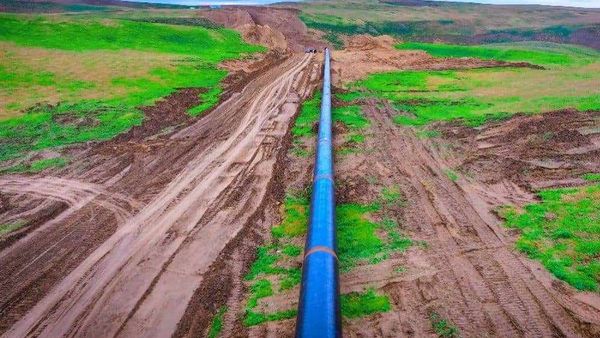
Afghan and Turkmen Officials Discuss Accelerating TAPI Pipeline Land Acquisition
Afghan and Turkmen officials met to advance land acquisition for the TAPI gas pipeline amid pipe deliveries, while eight export consignments head via the Lajvard corridor, a major carpet center opens in Herat for returnees, and Uzbekistan ratifies a trade deal with Afghanistan.
 Reliable
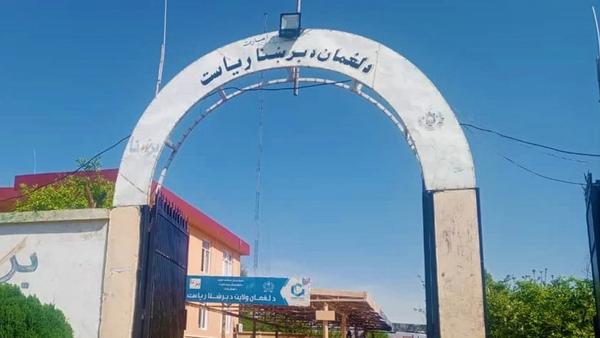
Laghman Electricity Directorate Collects 360 Million Afghanis in Annual Revenue
The Laghman Electricity Directorate reported collecting about 360 million Afghanis in annual revenue from fees, new connections and transformer installations, while supplying 11 megawatts to 25,000 subscribers amid a 100-megawatt provincial need.