
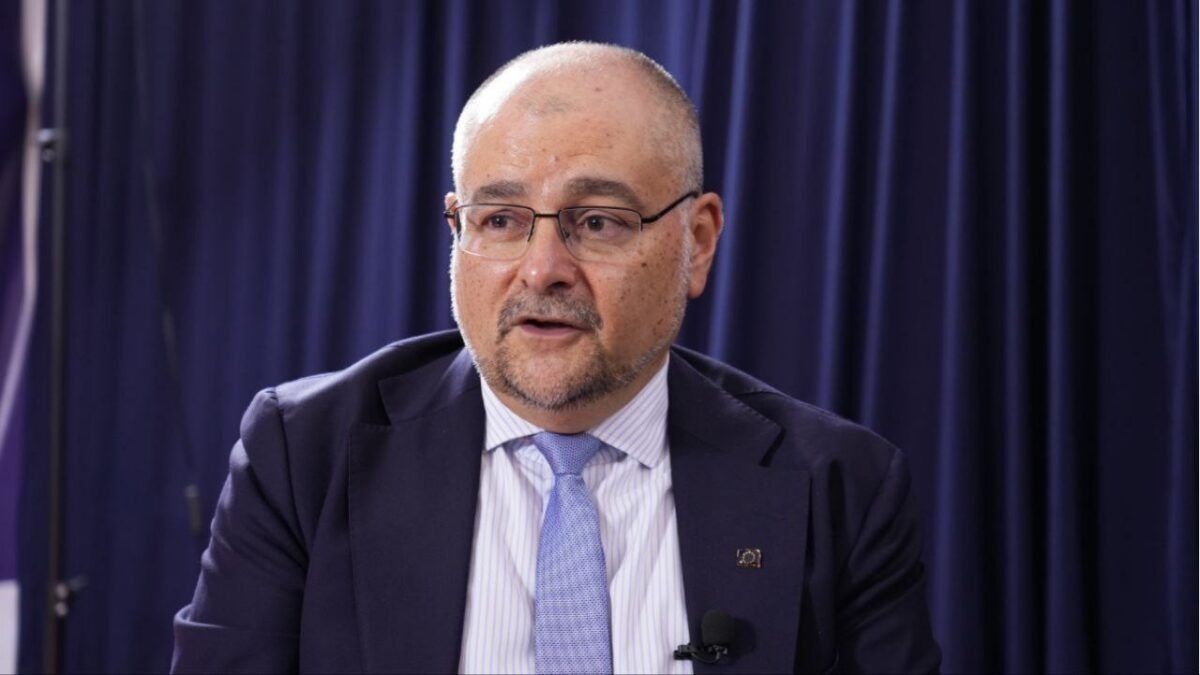
EU Special Representative Gilles Bertrand Criticizes Taliban's Penal Code as Institutionalizing Social Inequality
Gilles Bertrand, the European Union's Special Representative for Afghanistan, described Afghanistan's situation in an interview with Hasht-e Subh as marked by a collapsed economy, heavy reliance on humanitarian aid, and unprecedented violations of women's rights. He noted that millions of Afghans remain dependent on aid for survival, with living conditions for women worse than ever and climate threats now posing an imminent risk of further displacement. Bertrand emphasized that while not all issues stem solely from the Taliban, the ruling authorities bear primary responsibility.
Bertrand assessed the Taliban's 'Penal Code Framework for Courts,' promulgated on January 4 by the Taliban leader, as a complex document that codifies existing practices while institutionalizing social inequality. He stated that it categorizes citizens into four levels, placing religious scholars at the top with minimal accountability and women among those with 'limited legal capacity' at the bottom. According to Bertrand, the code normalizes domestic violence, deems non-Hanafi Muslims as 'incorrect' believers, ignores organized and financial crimes, and focuses on social control mechanisms. It grants broad powers to courts, which critics say could be easily abused.
The EU views these laws as a step toward long-term institutionalized suppression, creating space for power abuse by Taliban leaders and clerics, Bertrand said. He affirmed that EU support targets the Afghan people, not the Taliban, and that international recognition requires changes in human rights practices and formation of an inclusive government. The EU intends to maintain sanctions and pursue international accountability mechanisms.
Bertrand, who lived and worked in Kabul over 20 years ago, expressed sorrow over lost time and another generation at risk.
Know more about this story?
If you have additional information or believe something is inaccurate, let us know. Your tips help us stay accurate.
More in Politics
Joint Workshop Examines Islamic Emirate of Afghanistan's Foreign Policy Prospects
Pakistani politician warns Taliban policies leading Pashtuns to destruction
Islamic Emirate Deputy Prime Minister Hanafi Attends Introduction Ceremony for New Transport and Civil Aviation Minister
Administrative Commission Session Held Under Chairmanship of Maulvi Abdul Salam Hanafi
 Reliable
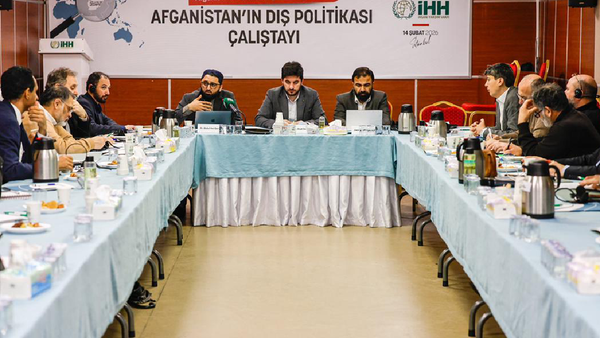
Joint Workshop Examines Islamic Emirate of Afghanistan's Foreign Policy Prospects
A workshop by the EnSamar Institute and the Islamic Emirate's Strategic Studies Center discussed balanced foreign policy, emphasizing dialogue, mutual respect, and engagement with regional and global powers.
 Reliable
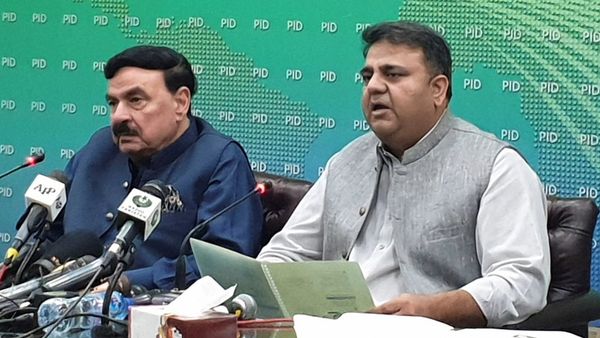
Pakistani politician warns Taliban policies leading Pashtuns to destruction
Former Pakistani minister Fawad Chaudhry warned that Pakistani Taliban policies in Khyber Pakhtunkhwa are destroying Pashtun society and urged a return to non-violent reforms. He criticized restrictions on music, education, and women's rights, drawing parallels to Afghan Taliban practices.
 Reliable
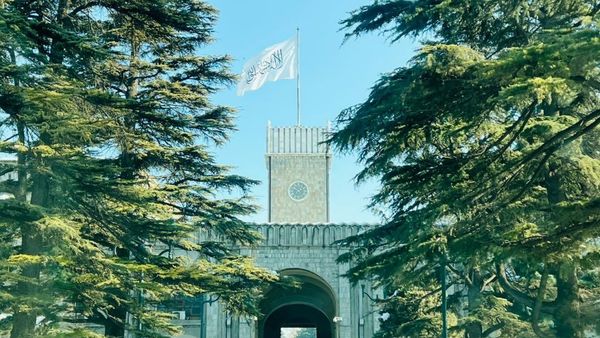
Islamic Emirate Deputy Prime Minister Hanafi Attends Introduction Ceremony for New Transport and Civil Aviation Minister
Maulvi Abdul Salam Hanafi, deputy administrative prime minister of the Islamic Emirate of Afghanistan, spoke at the ceremony introducing Mullah Mohammad Fazil Akhund as the new minister of transport and civil aviation, praising his past service and calling for infrastructure improvements.
 Reliable
Administrative Commission Session Held Under Chairmanship of Maulvi Abdul Salam Hanafi
The Administrative Commission convened under Maulvi Abdul Salam Hanafi, reviewing committee reports and making decisions on finance and oil and gas sectors while assigning further tasks.