
Breaking the Spell of Division: Rebuilding Hazara Identity and Empowerment
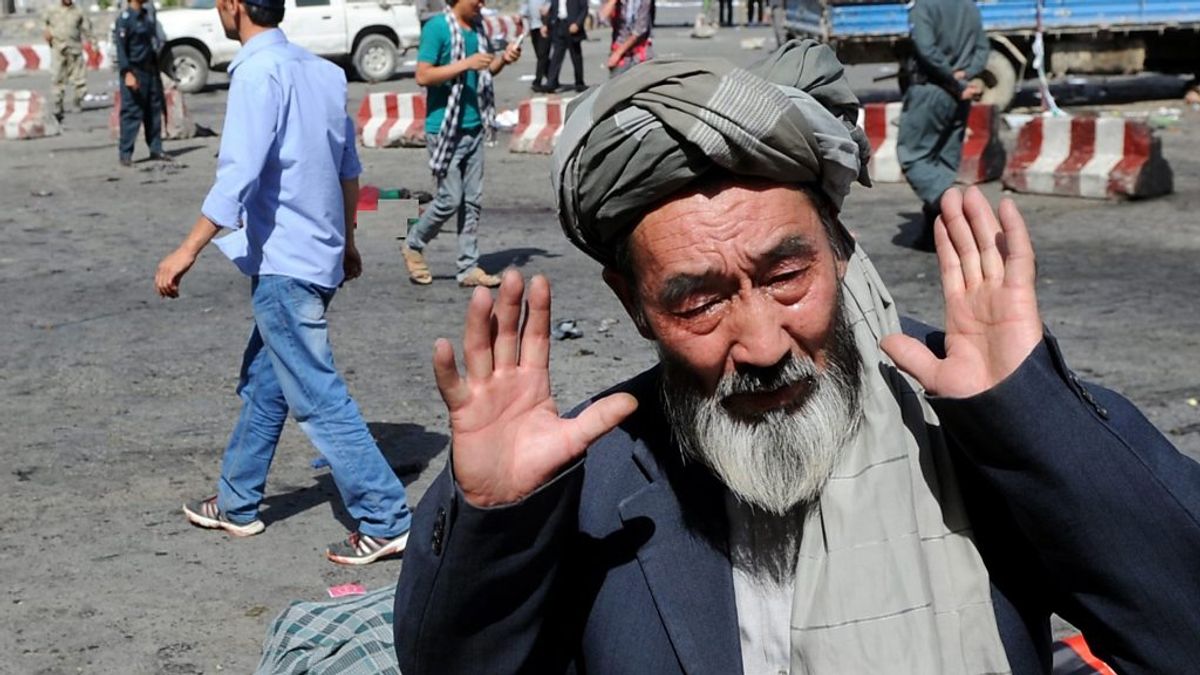
The history of the Hazara people in Afghanistan is marked by suffering, including political exclusion, structural discrimination, and periodic violence, though the article emphasizes that this stems from power structures and armed groups rather than any ethnic essence. It argues for moving beyond a 'victim identity' to one of rights-bearing agency, highlighting how historical traumas like forced displacements, land seizures, and religious humiliation under late 19th-century repressions, as well as later events such as the Afshar massacre, 1998 Mazar-i-Sharif killings, 2001 Bamiyan and Yakaulang massacres, and recent targeted attacks on civilian, educational, and religious gatherings, have instilled collective trauma and learned helplessness.
The piece contends that while narratives of suffering have garnered international sympathy, overemphasizing victimhood risks hindering organization, unity, and power-building. It warns that selective focus on symbolic events like Afshar could be exploited by extremists, including the Taliban, and division profiteers on social media to deepen ethnic rifts and block broader alliances against monopolistic power and violence. Instead, it calls for internal critique, shifting energy from external attention-seeking to domestic organization, active national political participation, and civil society strengthening.
Framing the Hazara issue as one of equal citizenship in Afghanistan, the commentary advocates transitioning from 'ethnic group against ethnic group' narratives to 'unjust structures against citizens,' fostering wider unity. It notes that wherever resistance—civil, cultural, political, or armed—has emerged, collective confidence has grown, though the text cuts off mid-sentence on this point.
Know more about this story?
If you have additional information or believe something is inaccurate, let us know. Your tips help us stay accurate.
More in Politics
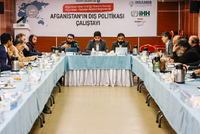
Joint Workshop Examines Islamic Emirate of Afghanistan's Foreign Policy Prospects
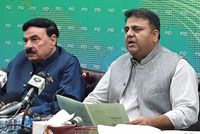
Pakistani politician warns Taliban policies leading Pashtuns to destruction
Islamic Emirate Deputy Prime Minister Hanafi Attends Introduction Ceremony for New Transport and Civil Aviation Minister
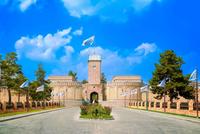
Administrative Commission Session Held Under Chairmanship of Maulvi Abdul Salam Hanafi
 Reliable
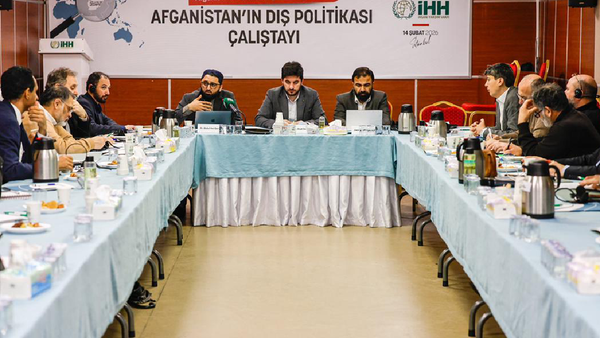
Joint Workshop Examines Islamic Emirate of Afghanistan's Foreign Policy Prospects
A workshop by the EnSamar Institute and the Islamic Emirate's Strategic Studies Center discussed balanced foreign policy, emphasizing dialogue, mutual respect, and engagement with regional and global powers.
 Reliable
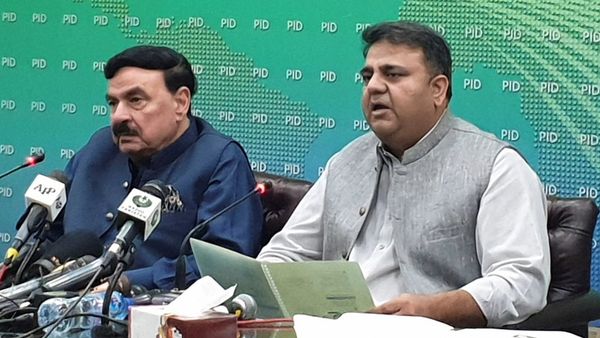
Pakistani politician warns Taliban policies leading Pashtuns to destruction
Former Pakistani minister Fawad Chaudhry warned that Pakistani Taliban policies in Khyber Pakhtunkhwa are destroying Pashtun society and urged a return to non-violent reforms. He criticized restrictions on music, education, and women's rights, drawing parallels to Afghan Taliban practices.
 Reliable
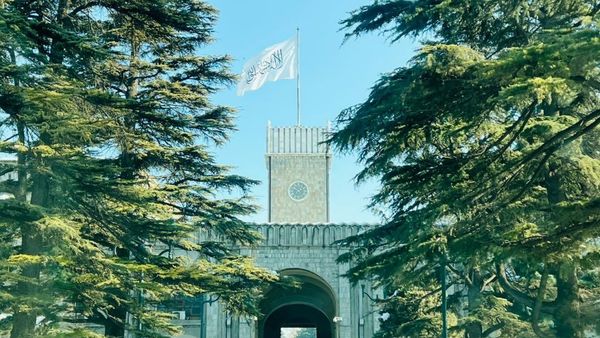
Islamic Emirate Deputy Prime Minister Hanafi Attends Introduction Ceremony for New Transport and Civil Aviation Minister
Maulvi Abdul Salam Hanafi, deputy administrative prime minister of the Islamic Emirate of Afghanistan, spoke at the ceremony introducing Mullah Mohammad Fazil Akhund as the new minister of transport and civil aviation, praising his past service and calling for infrastructure improvements.
 Reliable
Administrative Commission Session Held Under Chairmanship of Maulvi Abdul Salam Hanafi
The Administrative Commission convened under Maulvi Abdul Salam Hanafi, reviewing committee reports and making decisions on finance and oil and gas sectors while assigning further tasks.