
Amnesty International Warns Taliban Penal Code Principles Target Women and Minorities With Harsher Punishments
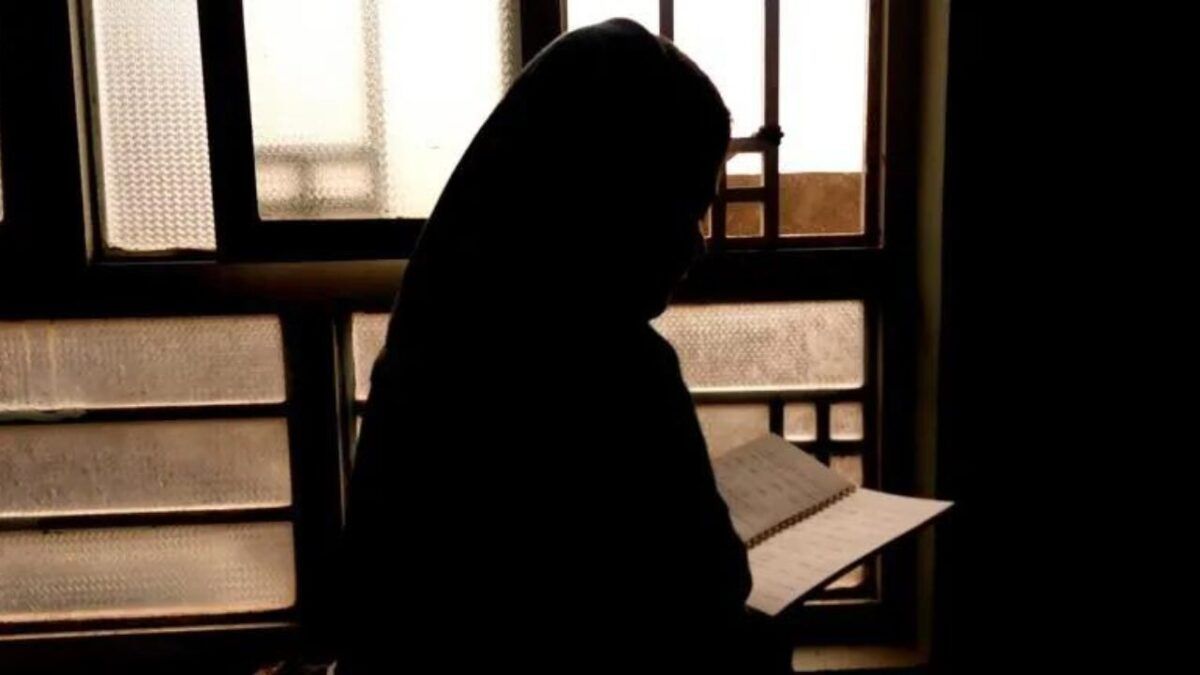
Amnesty International warned in a recent legal analysis that the 'Principles of Criminal Procedure for Courts,' recently approved by Taliban leader Hibatullah Akhundzada, could intensify violence and discrimination against women and minority groups in Afghanistan, with broad implications for human rights.
The document, confirmed by Akhundzada on Jan. 5 and disseminated by the Taliban's Supreme Court to relevant courts and offices on Jan. 8, sets new punishments for a wide range of crimes, many defined vaguely and broadly, potentially enabling arbitrary enforcement.
Key concerns include new restrictions on women's rights. Domestic violence is criminalized only if it results in bone fractures or visible injuries, a threshold Amnesty said overlooks many cases and denies women legal protections. Women who repeatedly visit family members without their husband's permission and defy court orders to return home could face up to three months in prison, further limiting their freedom of movement and independence.
The principles impose harsher penalties for certain religious infractions, with punishments varying by social status, which Amnesty said could institutionalize social discrimination in the judiciary.
Samriti Singh, Amnesty International's South Asia director, stated: 'This law makes a repressive legal system even harsher, with women and girls among the most vulnerable who will suffer.' She added that strict religious observance rules and class-based penalties exacerbate discrimination against society's most deprived.
Other issues include provisions enabling torture and corporal punishments like flogging for numerous crimes, expanded scope for death penalties, and vague definitions allowing Taliban judges and officials to interpret and apply laws arbitrarily, undermining fair trials.
Amnesty also highlighted clauses that may recognize ownership over individuals, raising slavery concerns.
The organization called on the Taliban to repeal or revise the principles to align with international human rights standards and urged the international community to condemn the law and pressure the Taliban to end systematic rights violations. Amnesty said it contacted Taliban officials for the official document but received no response.
More in Society

Herat taekwondo athlete burns uniforms in protest over sport's decline
Public gathering in Ghazni expresses condolences for death of Iran's Ayatollah Khamenei

Young Kabul woman launches online bead jewelry business for family self-sufficiency
Taliban officials suspend Radio Khoshal operations in Ghazni
 Reliable
Herat taekwondo athlete burns uniforms in protest over sport's decline
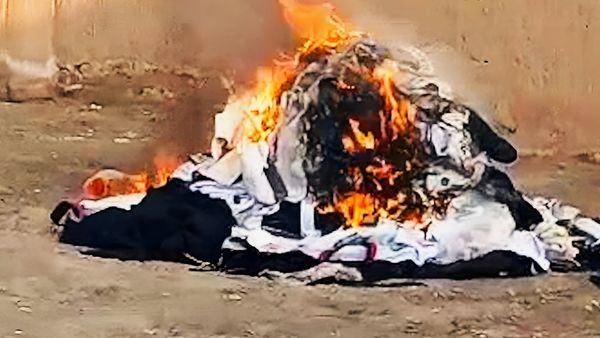
A Herat taekwondo coach and athlete, Syed Bahar Mobarez, burned uniforms from his sports shop to protest the decline of the sport amid lack of facilities and support. The action highlights the drop from nearly 60 active clubs to just eight in the province.
 Reliable
Public gathering in Ghazni expresses condolences for death of Iran's Ayatollah Khamenei
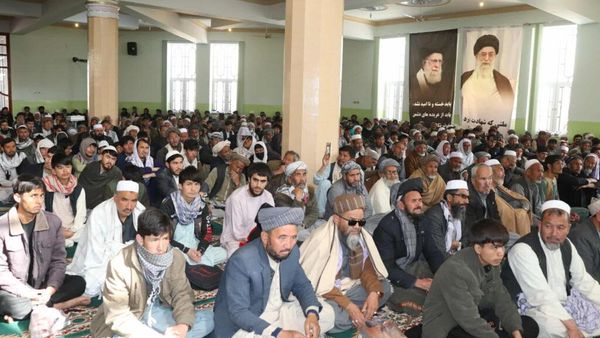
Hundreds gathered in Ghazni to express condolences for Iran's Ayatollah Ali Khamenei following reports of his death in US-Israel attacks on Iran.
 Reliable
Young Kabul woman launches online bead jewelry business for family self-sufficiency
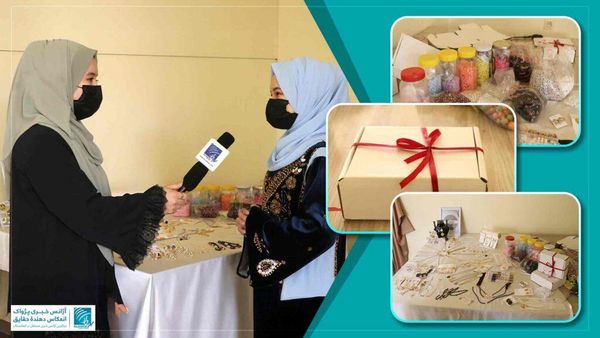
A 20-year-old Kabul woman, barred from higher education by the Islamic Emirate, teaches English and runs an online bead jewelry business started with 2,000 afghanis to support her family.
 Reliable
Taliban officials suspend Radio Khoshal operations in Ghazni
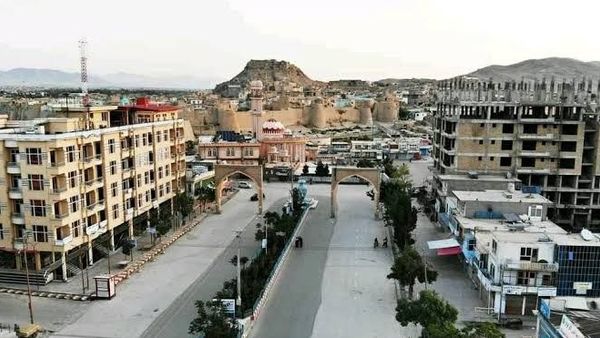
Taliban officials in Ghazni suspended Radio Khoshal, an educational station popular for girls' call-in programs, prompting condemnation from media support groups as a violation of rights and threat to expression.