

Afghanistan's Trade Deficit Hits $5.8 Billion in First Half of Solar Year 1404 Amid Consumer Goods Imports
An analysis of Afghanistan's foreign trade structure, based on official data from the Taliban Ministry of Finance's Customs Directorate, highlights a deepening trade imbalance and heavy reliance on imported consumer goods.
In the first half of solar year 1404, total trade volume reached $7.22 billion, with imports accounting for approximately 90% ($6.5 billion) and exports just 10% ($720 million). The trade deficit stood at $5.8 billion, projected to exceed $12 billion annually. This imbalance reflects ongoing structural challenges in domestic production and export capacity, exacerbated by increased domestic demand for imports.
Key imports included petroleum products, machinery -- primarily vehicles -- agricultural and food products, and textiles. Notably, significant resources were allocated to consumer items such as cigarettes, paan, and puffed snacks, with imports valued in the hundreds of millions of dollars, despite foreign exchange shortages and production stagnation.
Since the Taliban's return to power, Iran has emerged as Afghanistan's largest exporter, while shares from India and Pakistan have fluctuated due to border tensions and transit restrictions. Central Asian countries and Russia have increased their market presence.
The economy has avoided a currency crisis through external aid -- averaging $3 billion annually -- and migrant remittances ($300-500 million yearly). In the reported period, these inflows plus exports totaled about $2.4 billion, leaving a $3.4 billion gap with imports. Officials note that sustainable exports remain insufficient to cover imports, underscoring currency dependency and economic vulnerability.
More in Economy
Iran Reports 17-Fold Increase in Rail Shipments to Afghanistan
Rural Rehabilitation Minister: Projects Implemented in Remote Areas Where Needed

Inter-Ministerial Investment Committee Approves Commercial Market Plan in Sar-e Pol Center
Supreme Labor Council Discusses Creating New Job Opportunities Aligned with Market Needs
 Reliable
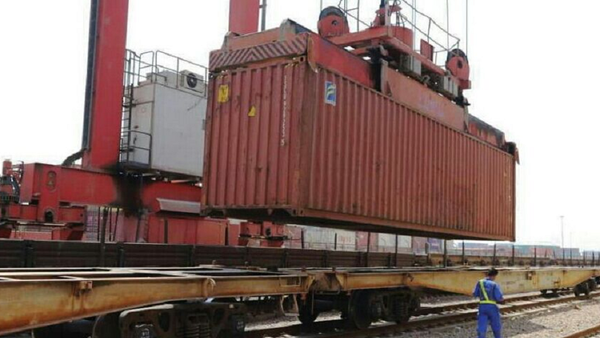
Iran Reports 17-Fold Increase in Rail Shipments to Afghanistan
Iran reports a 17-fold surge in rail shipments to Afghanistan, with goals for further increases, while Uzbekistan aims for $5 billion in bilateral trade and Pakistan resumes transit cargo movements to its ports.
 Reliable
Rural Rehabilitation Minister: Projects Implemented in Remote Areas Where Needed
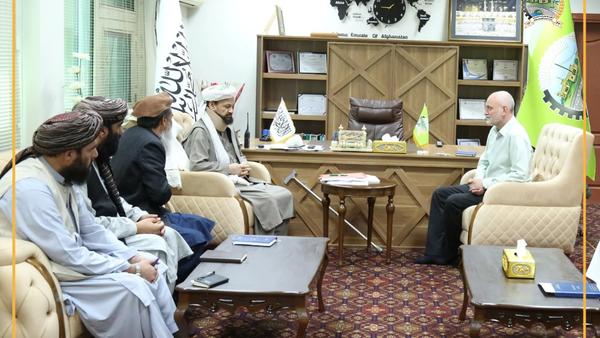
Afghanistan's Rural Rehabilitation and Development Minister Mullah Abdul Latif Mansour met with Dakar Institute head Peter Torning, stressing projects in remote areas and crediting security for nationwide implementation.
 Reliable
Inter-Ministerial Investment Committee Approves Commercial Market Plan in Sar-e Pol Center
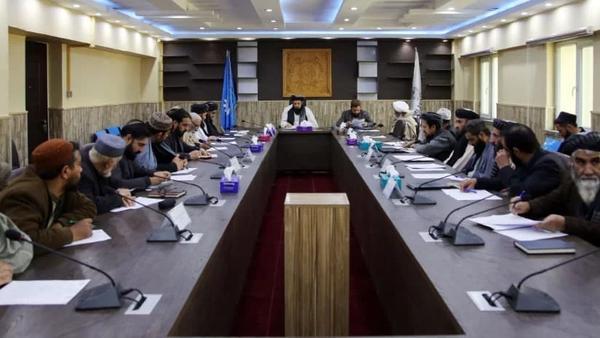
Afghanistan's inter-ministerial investment committee approved a plan for a commercial market in Sar-e Pol province center and discussed private sector proposals for public facilities in Kabul. A follow-up committee will negotiate details and report back.
 Reliable
Supreme Labor Council Discusses Creating New Job Opportunities Aligned with Market Needs
Afghanistan's Supreme Labor Council discussed strategies to reduce unemployment, create market-aligned jobs, and prioritize employment for returnee migrants, deciding to form a coordination committee involving multiple ministries and the private sector.