
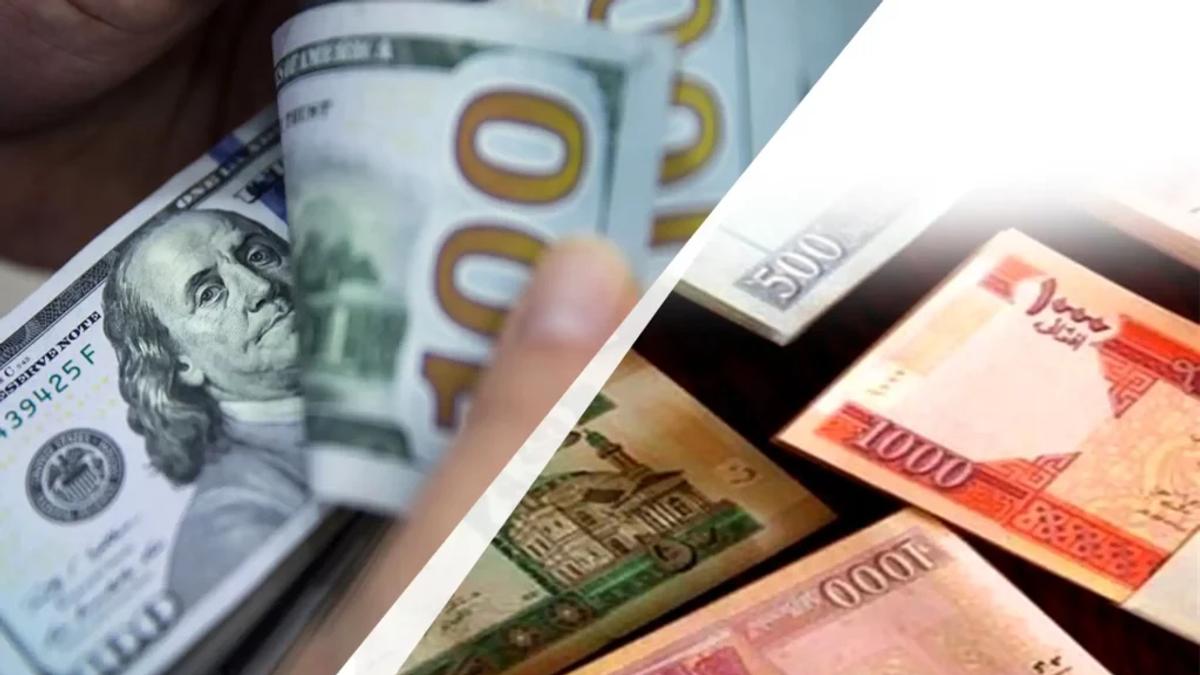
Afghani strengthens over 11% against USD in 10 months due to forex inflows, controls and anti-smuggling measures
KABUL (Pajhwok) -- The value of the afghani has risen more than 11% against the U.S. dollar over the past 10 months, according to money changers and economists, citing increased foreign exchange inflows, conversion of UN aid into afghanis and central bank control policies as main factors.
Mohammad Hossein, owner of Sedaghat Money Exchange in Kabul's Sarai Shahzada, said on Thursday (Feb. 26, 2026, or 7 Hoot 1404) the purchase price of one USD stood at 63.20 afghanis, compared to 71.30 afghanis in Jowza (June) of the current solar year.
He attributed the afghani's appreciation to UN aid entering via the Afghanistan International Bank (AIB), which converts it to afghanis for purchases; Da Afghanistan Bank burning hundreds of millions in worn-out banknotes without printing replacements; and prevention of dollar smuggling out of the country. Hossein said the dollar's decline benefits the economy by potentially lowering goods prices, provided the market remains controlled.
Hamdullah Hamdard, deputy of the Sarai Shahzada money changers' union, noted that the afghani is now used nationwide in transactions, unlike before the victory of the Islamic Emirate when some provinces used Pakistani rupees and Iranian rials. He added that remittances from Afghans abroad ahead of Ramadan have also boosted the afghani.
Economist Qais Mohammadi said reduced domestic demand for dollars, increased inflows from humanitarian aid, remittances and trade, strict central bank controls and restrictions on outflows by the Islamic Emirate have contributed. He highlighted monetary stability post-Islamic Emirate victory due to controls like limits on dollar transfers, alongside global factors such as the dollar's weakening against world currencies, U.S. monetary policy shifts and global economic conditions.
Abdul Nasir Reshtia, another economist, pointed to anti-smuggling measures, rising domestic production and exports generating forex, wider afghani use in former foreign-currency areas, and Da Afghanistan Bank's weekly or monthly dollar auctions maintaining stability. He said the dollar's fall aids importers like Afghanistan by allowing more imports.
Hasibullah Nuri, spokesman for Da Afghanistan Bank, confirmed the rate fell from 71.30 afghanis per USD in Jowza to 63.25 now, a 11.29% decline indicating afghani strengthening, due to consistent monetary policies and management.
More in Economy
Iran Reports 17-Fold Increase in Rail Shipments to Afghanistan
Rural Rehabilitation Minister: Projects Implemented in Remote Areas Where Needed

Inter-Ministerial Investment Committee Approves Commercial Market Plan in Sar-e Pol Center
Supreme Labor Council Discusses Creating New Job Opportunities Aligned with Market Needs
 Reliable
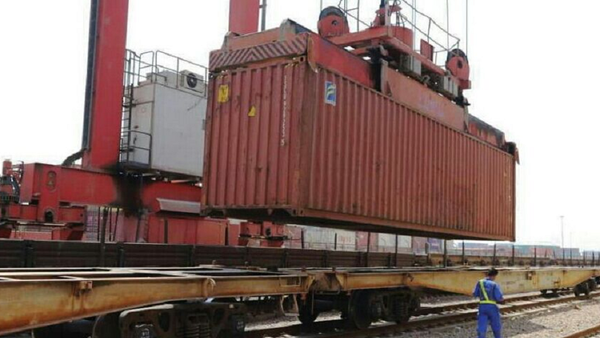
Iran Reports 17-Fold Increase in Rail Shipments to Afghanistan
Iran reports a 17-fold surge in rail shipments to Afghanistan, with goals for further increases, while Uzbekistan aims for $5 billion in bilateral trade and Pakistan resumes transit cargo movements to its ports.
 Reliable
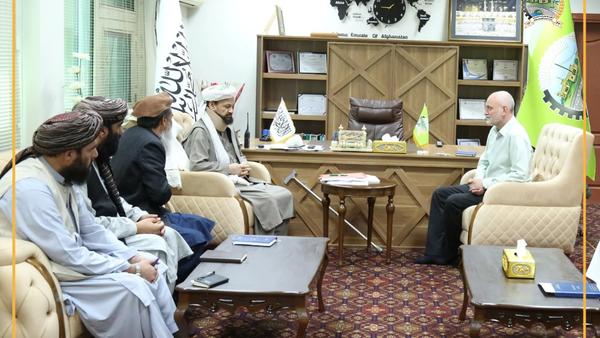
Rural Rehabilitation Minister: Projects Implemented in Remote Areas Where Needed
Afghanistan's Rural Rehabilitation and Development Minister Mullah Abdul Latif Mansour met with Dakar Institute head Peter Torning, stressing projects in remote areas and crediting security for nationwide implementation.
 Reliable
Inter-Ministerial Investment Committee Approves Commercial Market Plan in Sar-e Pol Center
Afghanistan's inter-ministerial investment committee approved a plan for a commercial market in Sar-e Pol province center and discussed private sector proposals for public facilities in Kabul. A follow-up committee will negotiate details and report back.
 Reliable
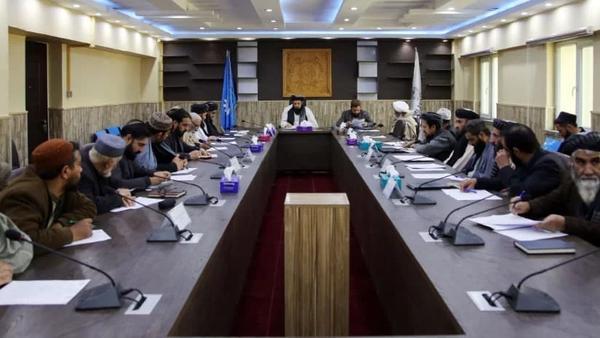
Supreme Labor Council Discusses Creating New Job Opportunities Aligned with Market Needs
Afghanistan's Supreme Labor Council discussed strategies to reduce unemployment, create market-aligned jobs, and prioritize employment for returnee migrants, deciding to form a coordination committee involving multiple ministries and the private sector.