
World Bank Projects Over 3% Growth for Afghanistan in 2026 Amid Trade Shocks
The World Bank estimates more than 3% economic growth for Afghanistan in 2026, a figure that follows an approximately 20% economic collapse after the Taliban's takeover. This projected growth comes amid about 3% annual population growth and more than 70% of the population living below the poverty line, conditions that require at least 10% growth for noticeable improvement. The projection signals a relative halt in decline rather than sustainable progress.
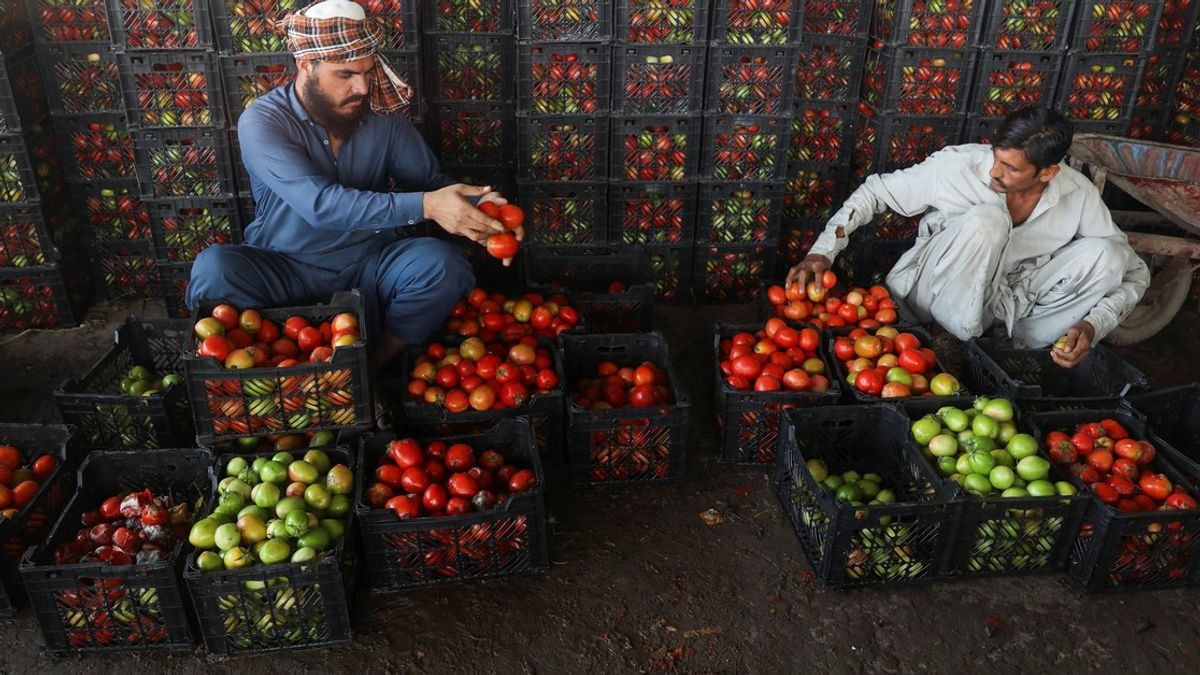
A major shock stemmed from severed economic relations with Pakistan, Afghanistan's primary route to global markets including India, the United Arab Emirates and Turkey. Exports to Pakistan totaled about $743 million. Based on World Bank assessments of 2025 trade volumes, the trade halt caused average daily losses of about $6.5 million. From late October 2025, direct losses reached about $910 million, exceeding $1.5 billion when including transit disruptions and third-party market losses. This led to shortages of basic goods and price increases of up to 35%.
Iran emerged as an alternative, with annual exports to Afghanistan of nearly $3.5 billion and transit routes via Chabahar and Bandar Abbas providing access to Middle East markets and India, where annual trade volume is about $1 billion. However, escalating conflicts involving the United States, Israel and Iran disrupted these routes, effectively blockading Afghanistan's access to international markets from both directions.
Trade with Central Asian countries including Uzbekistan, Tajikistan, Turkmenistan and Kazakhstan has increased but cannot replace Pakistan and Iran due to geographical limitations and lack of effective access to global markets. Short-term effects include higher prices and supply shortages, with long-term pressures on investments and livelihoods.
Know more about this story?
If you have additional information or believe something is inaccurate, let us know. Your tips help us stay accurate.
Sources (1)
More in Economy
Afghani Increases 9.93% Against US Dollar in Solar Year 1404, Central Bank Reports
Deported Youth from Iran in Farah Province Report No Job Opportunities

Daily Wage Workers in Herat Struggle to Find Consistent Employment

Afghanistan's Economy Remains Fragile Amid Border Closures and Reduced Aid
 Reliable
Afghani Increases 9.93% Against US Dollar in Solar Year 1404, Central Bank Reports
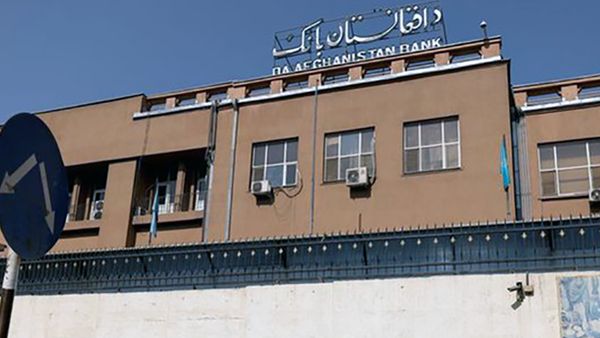
The Central Bank of Afghanistan reported a 9.93 percent appreciation of the afghani against the US dollar in solar year 1404, crediting monetary policies, bank oversight, and advances in electronic and Islamic banking. Analysts praised the efforts but called for resolving internal issues and easing international sanctions to further integrate public savings.
 Reliable
Deported Youth from Iran in Farah Province Report No Job Opportunities
Young people deported from Iran to Farah province in western Afghanistan report a lack of job opportunities and criticize the Taliban for having no employment programs. The deportations have contributed to a major unemployment crisis in the region.
 Reliable
Daily Wage Workers in Herat Struggle to Find Consistent Employment
Around 500 daily wage workers gather daily in Herat City but secure work only one or two days a week amid economic hardships and rising food prices. Officials report issuing 2,525 work permits in the first 11 months of the year while experts call for sustainable jobs in industry and agriculture.
 Reliable
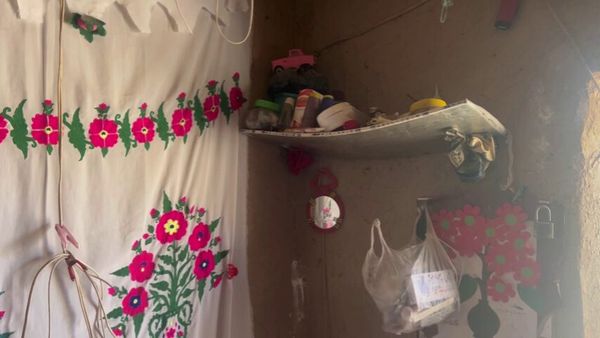
Afghanistan's Economy Remains Fragile Amid Border Closures and Reduced Aid
Afghanistan's economy faced severe pressure last year from closed Pakistan border crossings, reduced foreign aid, migrant returns and price hikes, leaving Herat residents in extreme poverty during Eid. The UN reports over 20 million people need aid amid insufficient funding, while the Taliban seek new trade routes.