
Afghanistan's Economy Remains Fragile Amid Border Closures and Reduced Aid
Afghanistan's economy remained fragile and under severe pressure over the past year due to the closure of commercial crossings with Pakistan, reductions in foreign aid, the return of about two million migrants from Iran and Pakistan, and regional tensions including conflicts involving Israel, America and Iran. These factors contributed to increases in the prices of goods during the solar Hijri year 1404.
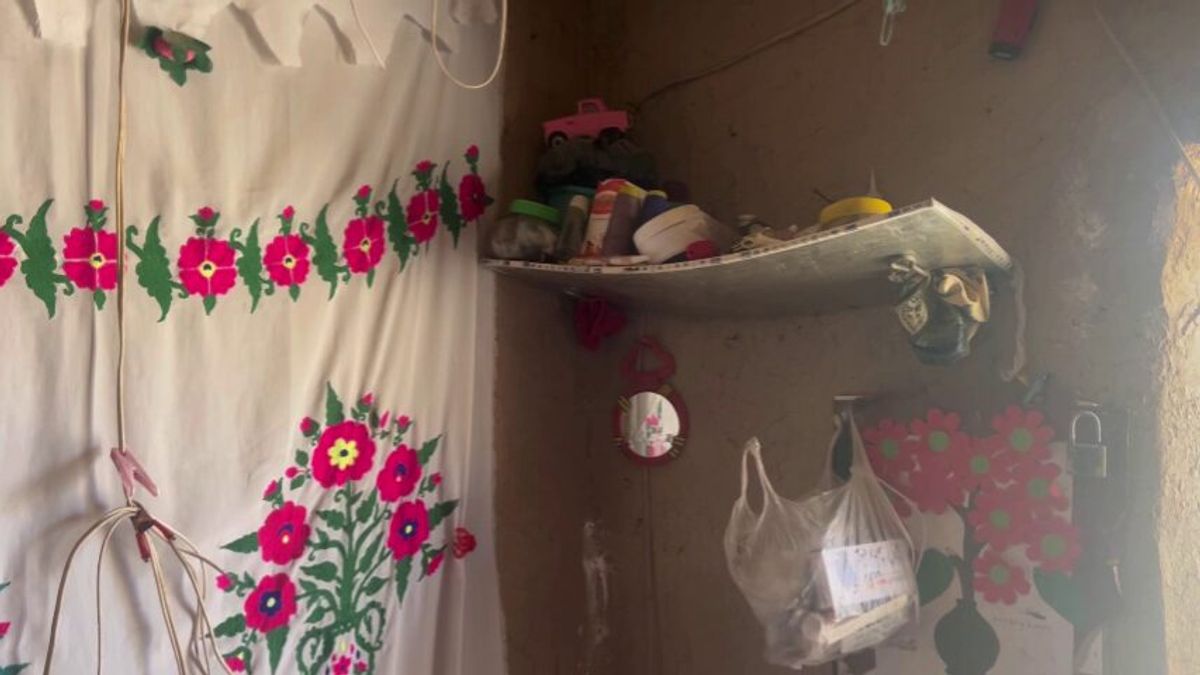
Residents in Herat described extreme poverty ahead of Eid. Zia Gul, who lives in a rented house in Herat suburbs and cares for her sick husband, said she lacked food, clothes, sweets, flour and oil for the holiday. "Eid has come, we have no clothes, no garments, no Eid sweets, no flour, no oil, we have nothing," she said.
Abdul Razzaq, another Herat resident, stated: "By God, we have nothing, but we hope in God that he will solve our problems." Mohammad Allah said a lack of money prevented buying clothes for Eid, while Mohammad Ishaq noted: "We couldn't prepare clothes for ourselves for this Eid because there is no money; we don't even have Eid expenses, our situation is very bad."
The Taliban stated they are seeking alternative trade routes. Afghanistan faces the world's second-largest humanitarian crisis, with the United Nations reporting that more than 20 million people need assistance but funding remains insufficient.
Citizens entered the new year amid reduced foreign aid, migrant expulsions and fewer job opportunities, further straining the economy.
Know more about this story?
If you have additional information or believe something is inaccurate, let us know. Your tips help us stay accurate.
Sources (1)
More in Economy
Afghani Increases 9.93% Against US Dollar in Solar Year 1404, Central Bank Reports
Deported Youth from Iran in Farah Province Report No Job Opportunities

Daily Wage Workers in Herat Struggle to Find Consistent Employment
World Bank Projects Over 3% Growth for Afghanistan in 2026 Amid Trade Shocks
 Reliable
Afghani Increases 9.93% Against US Dollar in Solar Year 1404, Central Bank Reports
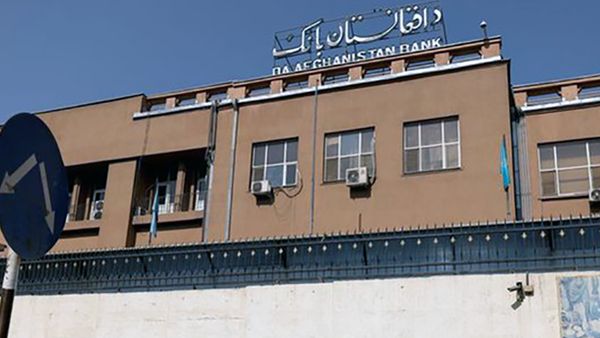
The Central Bank of Afghanistan reported a 9.93 percent appreciation of the afghani against the US dollar in solar year 1404, crediting monetary policies, bank oversight, and advances in electronic and Islamic banking. Analysts praised the efforts but called for resolving internal issues and easing international sanctions to further integrate public savings.
 Reliable
Deported Youth from Iran in Farah Province Report No Job Opportunities
Young people deported from Iran to Farah province in western Afghanistan report a lack of job opportunities and criticize the Taliban for having no employment programs. The deportations have contributed to a major unemployment crisis in the region.
 Reliable
Daily Wage Workers in Herat Struggle to Find Consistent Employment
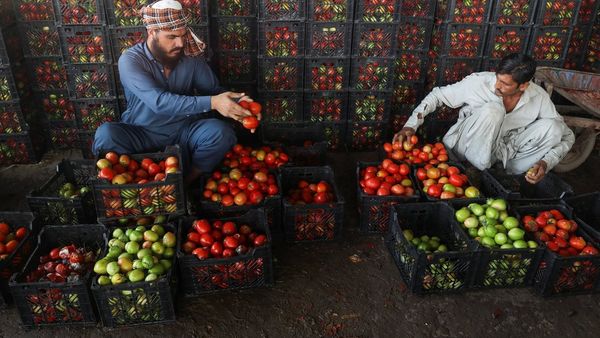
Around 500 daily wage workers gather daily in Herat City but secure work only one or two days a week amid economic hardships and rising food prices. Officials report issuing 2,525 work permits in the first 11 months of the year while experts call for sustainable jobs in industry and agriculture.
 Reliable
World Bank Projects Over 3% Growth for Afghanistan in 2026 Amid Trade Shocks
The World Bank forecasts more than 3% economic growth for Afghanistan in 2026, insufficient to counter 3% population growth and 70% poverty amid trade disruptions with Pakistan and Iran causing over $1.5 billion in losses. Price hikes of up to 35% and shortages have intensified economic pressures.