
US Secretary of State Rubio: America Needs Europe to Counter China
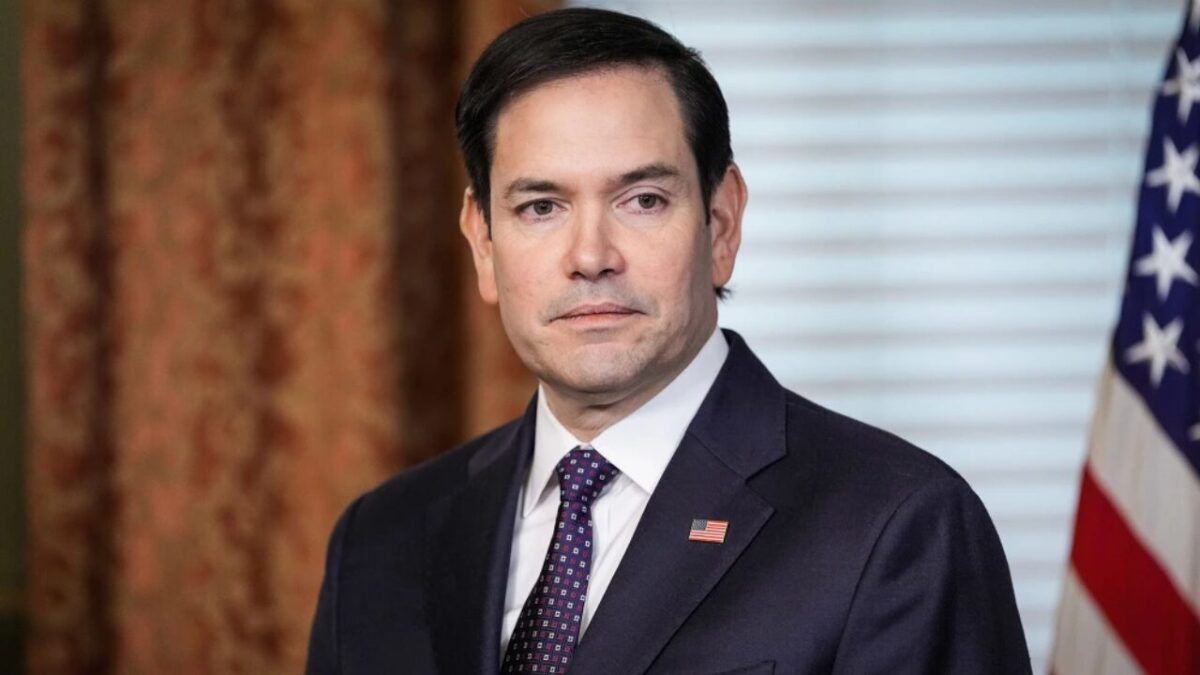
U.S. Secretary of State Marco Rubio emphasized during a speech and discussion on the sidelines of the Munich Security Conference that Washington requires close cooperation with Europe to confront China, describing the transatlantic alliance as a strategic necessity.
Rubio stated on Thursday in Munich that Cold War experience showed alliances based on shared values can succeed in tough conditions. He added that just as the U.S. and Europe cooperated against the Soviet Union, transatlantic cooperation is vital today amid growing competition with China. In response to a question on whether Washington needs Europe to win the competition with China, Rubio explicitly said: "Yes."
He highlighted historical and cultural ties across the Atlantic, noting: "For us Americans, home may be in the Western Hemisphere, but we will always be Europe's children." Rubio stressed that America and Europe are "heirs to a great and authentic civilization" with intertwined destinies, deeply influenced by Western civilization in language, government, laws, and culture.
The U.S. secretary of state called for "burden sharing" among allies, basing the partnership on shared capabilities and readiness to defend values. He clarified that Washington's criticisms of some European domestic decisions stem from concern for their shared fate, saying: "We want Europe to survive and thrive because our fate is intertwined with what happens to Europe."
Rubio noted the West reached a deadlock against the Soviet Union but transatlantic unity changed the outcome. He warned that post-Cold War euphoria led to "terrible decisions" causing deindustrialization and dependence on foreign vital resources, including China, which must be reversed for security and economic resilience. He advocated for a Western supply chain resistant to "extortion or blackmail," cautioning against any country being vulnerable to one holding "99 percent" of a critical good.
On Western leaders' visits to Beijing, including Mark Carney, Keir Starmer, and Friedrich Merz, Rubio said state-to-state engagement is natural and the U.S. is not concerned, noting his own meeting with China's foreign minister at Munich. He stressed major powers must dialogue to avoid irresponsible behavior and unnecessary conflicts, though differences persist. Addressing concerns of U.S. distancing from Europe, Rubio affirmed U.S. forces remain in Europe under NATO, with ongoing intelligence, economic, and trade cooperation, but the alliance must adapt to 21st-century realities based on shared civilizational values.
More in International
Doctors Without Borders suspends non-essential activities at Nasser Hospital in Gaza
Japan Maintains Direct Contacts with IEA Officials Through Kabul Embassy
Reza Pahlavi calls for U.S. military intervention in Iran
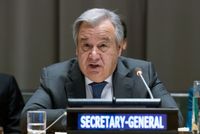
UN Secretary-General Guterres Calls for Aid Ahead of Ramadan, Highlights Suffering in Afghanistan, Yemen, Gaza, Sudan
 Reliable
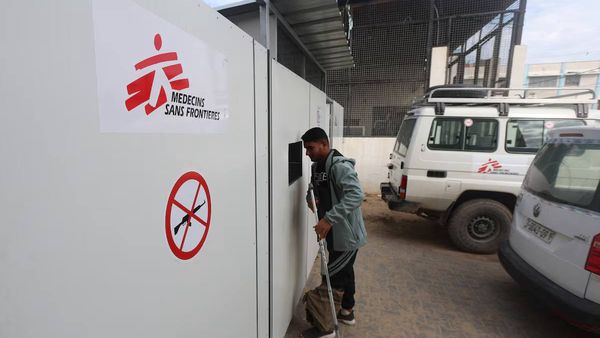
Doctors Without Borders suspends non-essential activities at Nasser Hospital in Gaza
Doctors Without Borders has halted non-essential operations at Nasser Hospital in Gaza due to reports of armed individuals on site. The move aims to protect staff and patients amid ongoing humanitarian concerns.
 Reliable
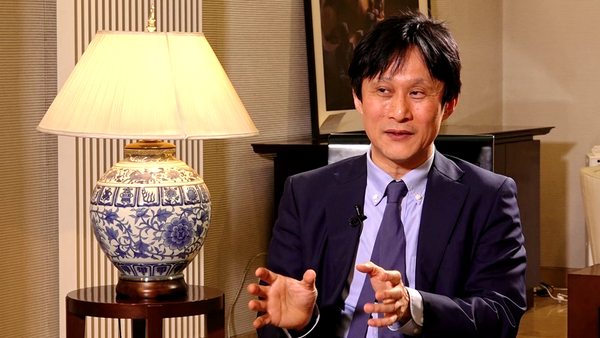
Japan Maintains Direct Contacts with IEA Officials Through Kabul Embassy
Japanese Ambassador Kenichi Masamoto says Tokyo maintains direct contacts with Islamic Emirate officials via its Kabul embassy despite no formal ties, while expressing concern over girls' education ban and pledging continued humanitarian aid.
 Reliable
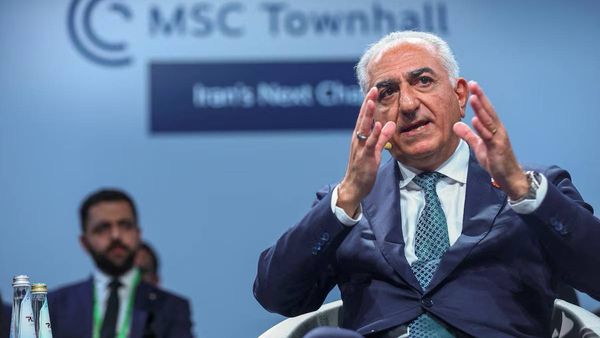
Reza Pahlavi calls for U.S. military intervention in Iran
Reza Pahlavi called for U.S. military intervention in Iran at the Munich Security Conference, arguing it could accelerate the regime's collapse amid ongoing nationwide protests.
 Reliable
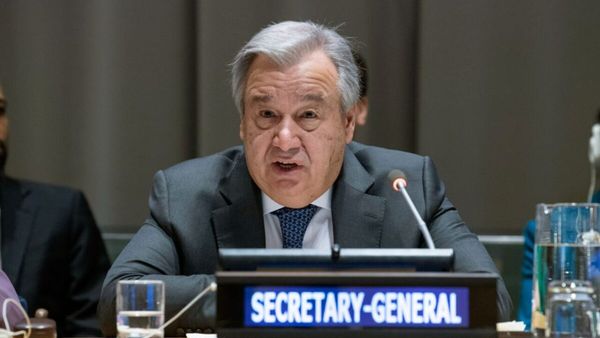
UN Secretary-General Guterres Calls for Aid Ahead of Ramadan, Highlights Suffering in Afghanistan, Yemen, Gaza, Sudan
UN Secretary-General Antonio Guterres urged global action to aid those suffering from war and hunger in regions including Afghanistan ahead of Ramadan, calling for hope, peace, and bridging divides.