
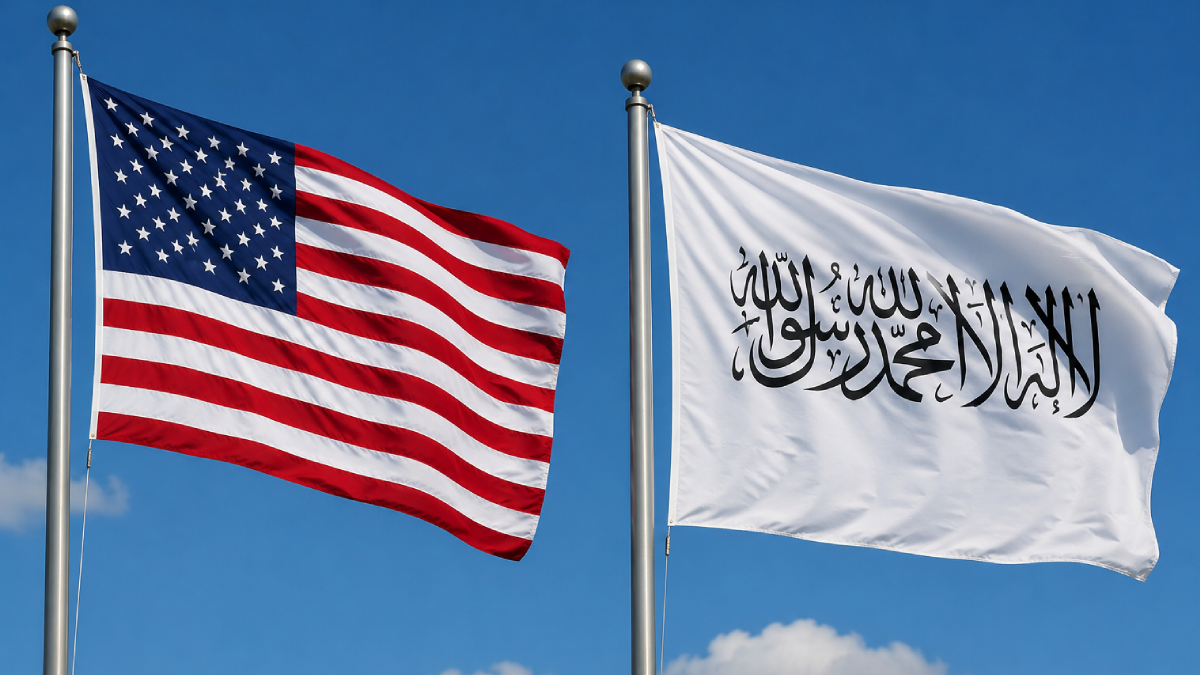
US Releases 2026 Counterterrorism Strategy, Excludes Afghanistan from Threat List
The White House has released its 2026 United States counterterrorism strategy, a document that does not designate Afghanistan as a threat to American interests. According to the newly published report, the strategy outlines a revised set of security priorities under the administration of President Donald Trump.
The document identifies Asia as a region where Al-Qaeda and the Islamic State are increasingly establishing operational safe havens. To address these emerging challenges, the strategy emphasizes expanded counterterrorism cooperation with European partners as well as nations across Central and South Asia.
Key priorities outlined in the report include combating the drug trade, dismantling Al-Qaeda and Islamic State networks, countering ISIS-Khorasan, and targeting the Muslim Brotherhood alongside other anti-US extremist political groups. The strategy also references recent operational successes to underscore American counterterrorism capabilities, specifically noting the arrest of the individual responsible for the 2021 Kabul airport attack. Officials stated the arrest occurred forty-three days after the president’s return to office, framing it as evidence of a renewed commitment to global security operations.
While the report details extensive regional and organizational targets, the explicit exclusion of Afghanistan from the official threat assessment marks a notable shift in the administration’s public security framework. The document serves as the guiding blueprint for US counterterrorism policy and international security coordination for the coming fiscal year.
Know more about this story?
If you have additional information or believe something is inaccurate, let us know. Your tips help us stay accurate.
Sources (1)
More in International
Former US Officials Urge Halt to Plan Relocating Afghan Refugees from Qatar to Congo
Pakistan Demands Written Security Guarantees From Taliban to Normalize Relations

US and Iran Near Interim Agreement to Halt Hostilities
Russia Urges Foreign Diplomatic Evacuation from Kyiv Amid Escalation Warnings
 Reliable
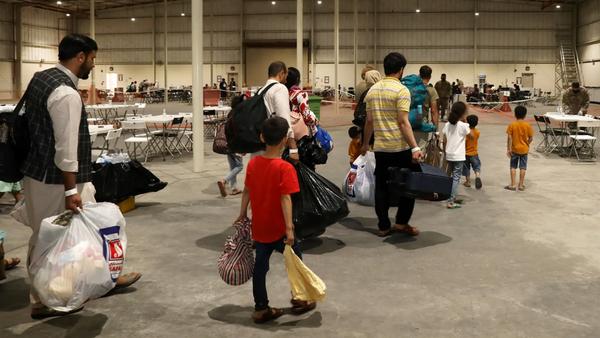
Former US Officials Urge Halt to Plan Relocating Afghan Refugees from Qatar to Congo
Hundreds of former US officials and military leaders have signed an open letter urging the Trump administration to cancel a plan to relocate approximately 1,100 Afghan refugees from Qatar to Congo, citing security risks and the individuals' status as former US allies.
 Reliable
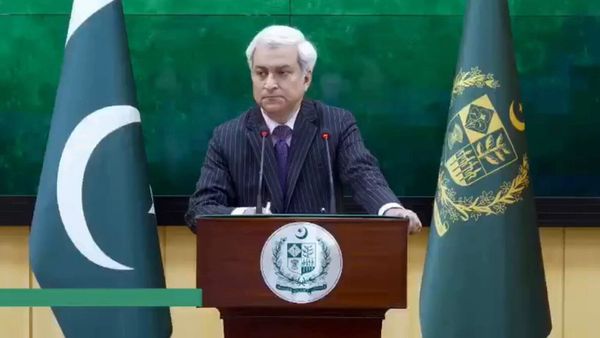
Pakistan Demands Written Security Guarantees From Taliban to Normalize Relations
Pakistan’s Foreign Ministry has stated that relations with Afghanistan will not normalize until the Taliban provides written guarantees to stop cross-border militant attacks, as local tribes independently negotiate border ceasefires.
 Reliable
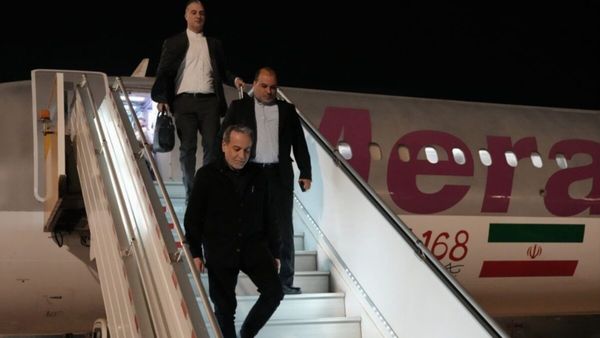
US and Iran Near Interim Agreement to Halt Hostilities
The United States and Iran are nearing a temporary, three-step interim agreement to halt hostilities and stabilize the Strait of Hormuz, while postponing complex nuclear disputes. Mediated by Pakistan, the deal has drawn cautious optimism from officials and triggered positive reactions in global markets.
 Reliable
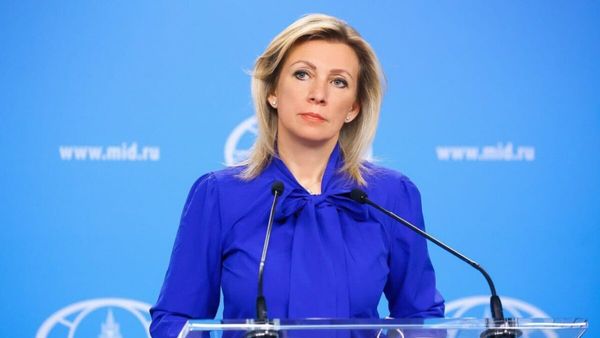
Russia Urges Foreign Diplomatic Evacuation from Kyiv Amid Escalation Warnings
Russia has urged foreign governments to evacuate diplomatic staff and citizens from Kyiv, warning of potential military escalation and announcing a temporary ceasefire for May 8 and 9. Ukrainian officials have not yet responded to the evacuation request or the proposed pause in hostilities.