
Pakistan Demands Written Security Guarantees From Taliban to Normalize Relations
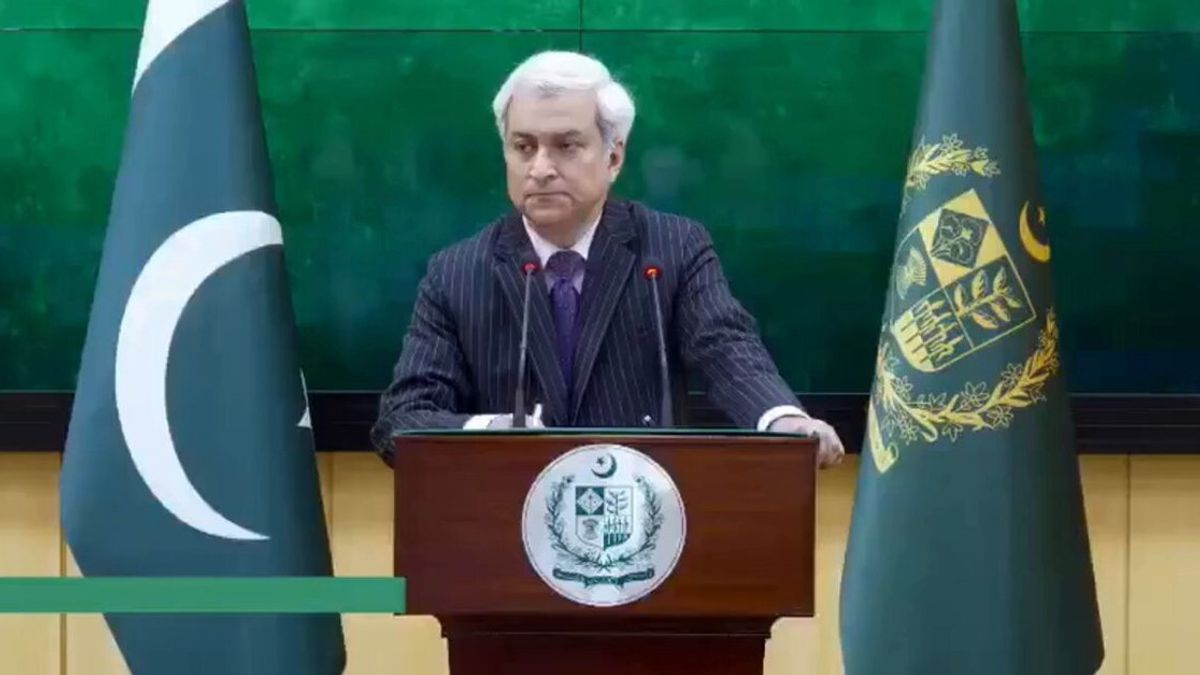
Pakistan’s Foreign Ministry has stated that bilateral relations with Afghanistan will not normalize until the Taliban administration provides a verifiable written commitment to halt cross-border militant attacks. Foreign Ministry spokesperson Tahir Andarabi outlined the condition during a press conference, accusing the Taliban of harboring militants who operate with impunity on Afghan soil to launch strikes against Pakistani targets.
Andarabi emphasized that unresolved security concerns remain the primary obstacle to improved ties, despite shared cultural and religious connections between the two nations. The diplomatic standoff has coincided with significant disruptions along the shared border. While Afghanistan International reported a complete closure of crossings, a suspension of trade, and a halt to visa issuance, Amu TV and Hasht-e Subh characterized the situation as persistent border and trade problems without confirming a total shutdown. International mediation efforts by regional partners have so far failed to de-escalate the crisis.
Amid the official impasse, local tribal communities on both sides of the Durand Line have independently negotiated ceasefire arrangements to reduce tensions in border regions such as Kunar, Bajaur, and Chitral. Pakistan’s Foreign Ministry welcomed these grassroots initiatives, noting that the meetings occurred without official government representation. However, sporadic clashes continue to affect civilian populations in the area.
The Taliban has not publicly addressed the specific demand for a written security pledge in recent statements. Pakistani officials maintain that without concrete, documented guarantees to prevent militant safe havens, diplomatic and economic normalization cannot proceed.
Know more about this story?
If you have additional information or believe something is inaccurate, let us know. Your tips help us stay accurate.
Where reports agree
- All three sources confirm Pakistan's MFA spokesperson held a press conference demanding written security guarantees from the Taliban as a precondition for normalizing relations.
- All sources report Pakistan's accusation that the Taliban allows militants to operate with impunity from Afghan territory.
- All sources acknowledge that despite shared cultural and religious ties, cross-border terrorism remains the primary obstacle to bilateral relations.
- Sources agree that local tribal initiatives have emerged to establish ceasefires, operating independently of official state channels.
Where reports differ
- Extent of economic/trade disruption: Afghanistan International explicitly states the border is completely closed, trade is severed, and visas are suspended, while Amu TV and Hasht-e Subh only reference general 'border and trade problems' without confirming a total closure.
- Casualty reporting: Hasht-e Subh reports dozens of civilians killed or injured in ongoing sporadic clashes, whereas the other two outlets do not mention current casualty figures.
- List of mediating countries: Afghanistan International cites Qatar, Turkey, and Saudi Arabia, while Amu TV adds China to the list of mediators.
- Taliban's explicit response: Afghanistan International explicitly notes the Taliban's refusal to sign a written commitment, while the other sources focus primarily on Pakistan's demands without detailing the Taliban's official stance on the written guarantee.
More in International

UAE Air Defenses Intercept Iranian Missiles and Drones Amid Escalating Regional Tensions

Five Killed in Fire at Fairground Concert in Southern Mexico

Uzbekistan and Japan Discuss Joint Development Projects for Afghanistan

Turkish Authorities Detain Undocumented Afghan Refugees in Recent Coastal Operations
 Reliable
UAE Air Defenses Intercept Iranian Missiles and Drones Amid Escalating Regional Tensions
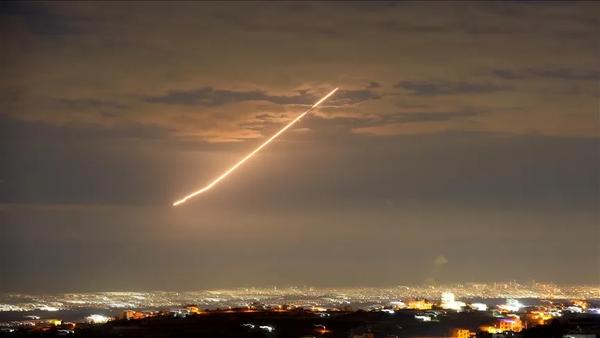
The UAE Ministry of Defense confirmed the interception of Iranian missiles and drones amid escalating military tensions with the United States. While U.S. and Iranian officials dispute casualty figures and ceasefire compliance, the conflict has driven Brent crude oil prices above $100 per barrel.
 Reliable
Five Killed in Fire at Fairground Concert in Southern Mexico
A fire at a fairground concert in Villahermosa, Mexico, has killed at least five people and prompted an official investigation and state financial aid for affected vendors.
 Reliable
Uzbekistan and Japan Discuss Joint Development Projects for Afghanistan
Uzbekistan and Japan’s International Cooperation Agency have discussed expanding joint humanitarian and development projects in Afghanistan, focusing on sectors such as healthcare, education, and agriculture. Officials highlighted Termez as a key logistical hub, though experts warn sanctions and local policies may complicate implementation.
 Reliable
Turkish Authorities Detain Undocumented Afghan Refugees in Recent Coastal Operations
Turkish authorities have arrested dozens of undocumented Afghan refugees in recent coastal operations, part of a broader campaign that has seen over 45,000 migrants detained nationwide in the past four months.