
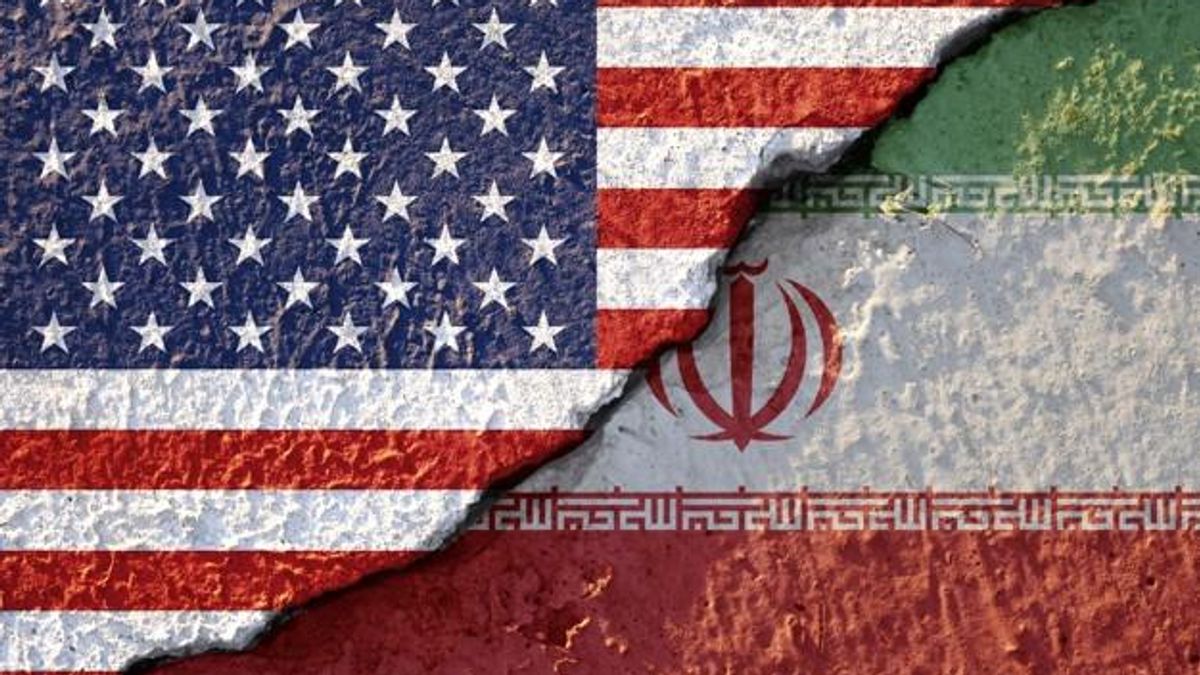
US Proposes 15-Point Ceasefire Plan to Iran
The US administration under President Donald Trump has proposed a 15-point ceasefire plan to Iran amid escalating tensions in the Middle East, multiple reports said.
The plan was delivered through Pakistani intermediaries, who also offered to host negotiations between Washington and Tehran, sources told the Associated Press, as cited by Hurriyat and Pajhwok Afghan News. Ariana News, citing the New York Times and Israel's Channel 12, reported that the proposal seeks a one-month ceasefire and includes demands for Iran to dismantle its nuclear program, halt support for proxy groups such as Hezbollah and reopen the Strait of Hormuz.
Trump told reporters at the White House that the United States is negotiating with the "right people" in Iran to end hostilities, according to Ariana News. Stock markets rose and oil prices fell following the reports, with hopes for resuming exports from the Persian Gulf.
Iranian Parliament Speaker Mohammad Bagher Ghalibaf dismissed the reports as "fake news" and stressed that no negotiations had taken place with the United States. Iranian officials have rejected any talks with the US, the outlets said.
Israeli officials, who have advocated continuing the war against Iran, expressed surprise at the US proposal, according to Hurriyat and Pajhwok. Separately, the Pentagon is preparing to deploy additional US troops to the Middle East, with reports citing figures of 1,000 (Pajhwok) or 2,000 (Hurriyat) soldiers.
The White House has not officially commented on the plan.
Know more about this story?
If you have additional information or believe something is inaccurate, let us know. Your tips help us stay accurate.
Where reports agree
- US administration proposed/sent a 15-point plan to Iran
- Iranian officials (including named Speaker Ghalibaf) deny/reject negotiations or talks with US
- Israeli officials expressed surprise at the plan and favor continuing war
- Plan reportedly delivered via Pakistani intermediaries (two sources)
Where reports differ
- Specific contents of the 15-point plan (only Ariana News details nuclear dismantlement, proxies, Strait of Hormuz)
- US troop deployment numbers to Middle East (2,000 in Hurriyat vs. 1,000+ in Pajhwok)
- Trump's direct statements on negotiations (only Ariana News)
More in International

UN Secretary-General Guterres Appoints Envoy for Middle East Peace Efforts
Iranian and Chinese Foreign Ministers Discuss Regional Developments, US and Israeli Aggression in Phone Call

European Union Calls for De-escalation of Tensions Between Afghanistan and Pakistan
Iranian Official Abbas Araghchi Says International Law Is 'Dead in Practice' Amid Regional War
 Reliable
UN Secretary-General Guterres Appoints Envoy for Middle East Peace Efforts
UN Secretary-General Antonio Guterres appointed diplomat Jean Arnault as his envoy to support Middle East peace efforts, warning the world is on the brink of wider war and highlighting risks from a potential Strait of Hormuz closure.
 Reliable
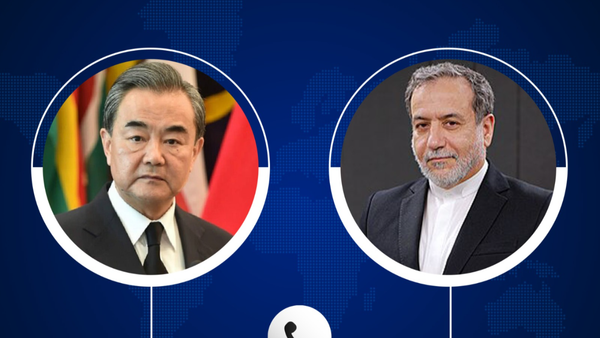
Iranian and Chinese Foreign Ministers Discuss Regional Developments, US and Israeli Aggression in Phone Call
Iran's Foreign Minister Seyed Abbas Araqchi and China's Foreign Minister Wang Yi discussed regional issues and US and Israeli aggression against Iran in a phone call. Araqchi urged China and Russia to counter US pressures in the UN Security Council, while Wang Yi condemned the attacks and stressed diplomacy.
 Reliable
European Union Calls for De-escalation of Tensions Between Afghanistan and Pakistan
The European Union called for de-escalation of tensions between Afghanistan and Pakistan at the UNHCR's 95th Standing Committee, urging dialogue, civilian protection and action against militants by the Islamic Emirate of Afghanistan. It also raised concerns about the humanitarian crisis, women's restrictions, mass returns of Afghans and forced deportations.
 Reliable
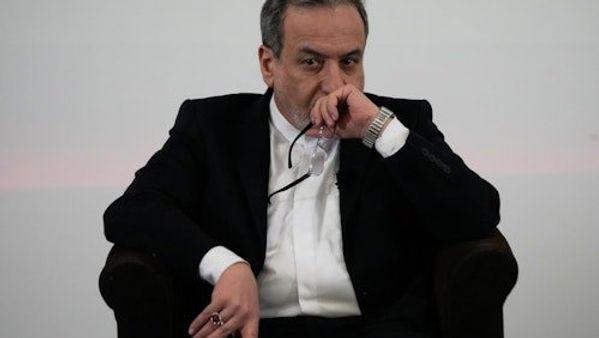
Iranian Official Abbas Araghchi Says International Law Is 'Dead in Practice' Amid Regional War
Iranian official Abbas Araghchi declared international law 'dead in practice' amid a regional war, accusing the West of double standards on conflicts including attacks on Iran. He praised German President Frank-Walter Steinmeier's criticism of the war and urged supporters of the rule of law not to stay silent.