
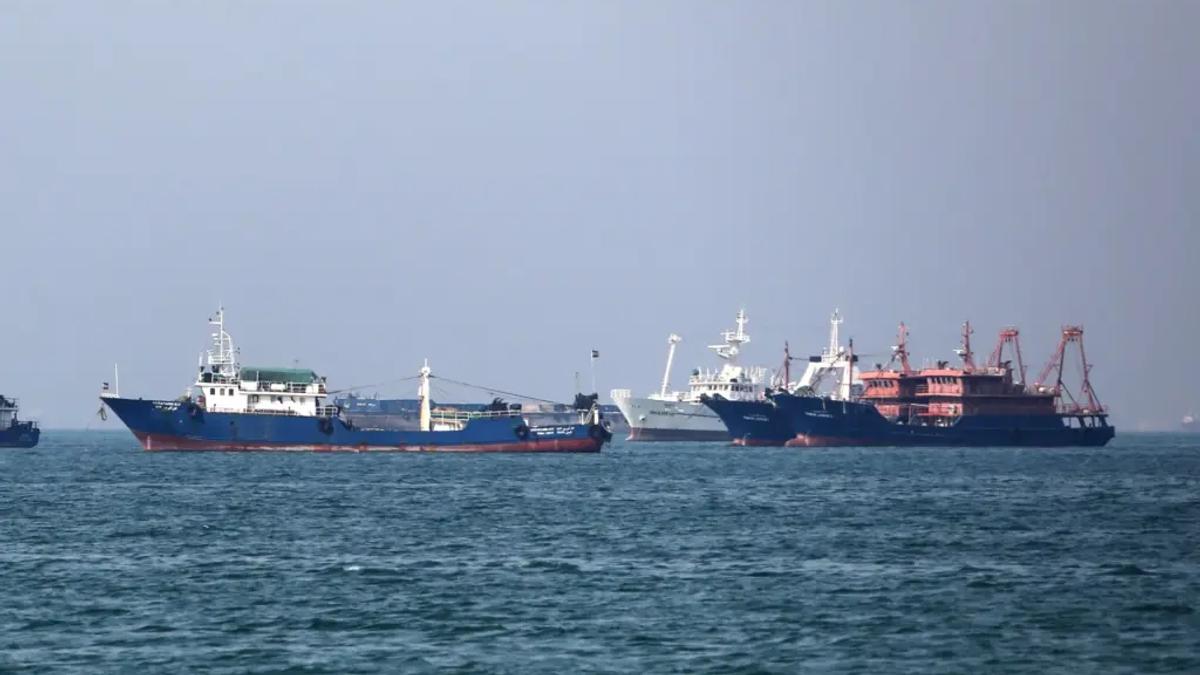
US Central Command Announces Naval Blockade of Iranian Ports Starting Monday
WASHINGTON (Afghan Verified) -- The US Central Command announced Saturday a naval blockade on all Iranian ports starting Monday at 10:00 a.m. ET (14:00 GMT), affecting all maritime traffic entering or leaving Iranian ports in the Persian Gulf and Gulf of Oman.
CENTCOM clarified that the blockade will not interfere with freedom of navigation through the Strait of Hormuz for ships traveling to or from non-Iranian ports. The measure is narrower in scope than President Donald Trump's earlier suggestion of a broader blockade of the Strait of Hormuz.
The announcement follows the collapse of talks in Islamabad. Iranian Foreign Minister Abbas Araghchi said the US altered key terms during the negotiations. Iran Parliament Speaker Mohammad Baqer Ghalibaf stated the US failed to build trust. US Vice President JD Vance said the 21-hour talks ended without agreement and would be more detrimental to Iran.
Tensions have escalated since US-Israel military operations against Iran on February 28. Iran has tightened control over the Strait of Hormuz, reducing traffic that carries 20 percent of the world's oil and LNG. Iran's Islamic Revolutionary Guard Corps (IRGC) warned that US vessels entering the blockaded areas would violate a ceasefire in place until April 22 and face a response.
Global oil prices surged following the announcement, with US crude rising 8 percent to $104.24 per barrel and Brent crude up 7 percent to $102.29 per barrel.
Know more about this story?
If you have additional information or believe something is inaccurate, let us know. Your tips help us stay accurate.
Where reports agree
- CENTCOM announced Iranian ports blockade on April 13 with specified scope and exceptions.
- Named Iranian and US officials commented on failed Islamabad talks.
- Oil prices spiked post-announcement.
- Regional tensions involve Strait of Hormuz disruptions.
More in International

CNN: U.S. Vice President J.D. Vance Expected to Lead Next Iran Negotiations
Russian Security Council Warns of Renewed Intense US-Iran Conflict if Talks Fail
U.S.-Sanctioned Chinese Oil Tanker Passes Through Strait of Hormuz Despite Naval Blockade

NATO Allies Decline to Join US Naval Blockade of Iranian Ports
 Reliable
CNN: U.S. Vice President J.D. Vance Expected to Lead Next Iran Negotiations
CNN reports that U.S. Vice President J.D. Vance is expected to lead the next round of U.S.-Iran negotiations, joined by Steve Witkoff and Jared Kushner. President Trump indicated talks could resume soon in Pakistan following recent high-level discussions hosted there without agreement.
 Reliable
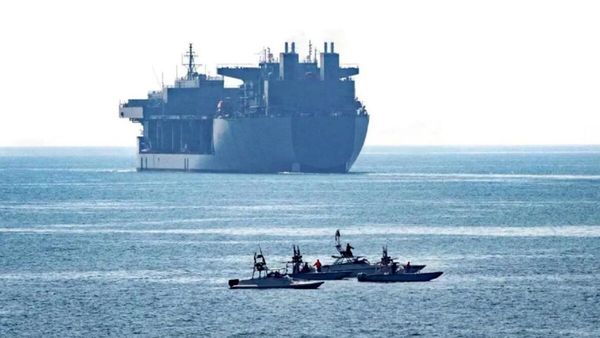
Russian Security Council Warns of Renewed Intense US-Iran Conflict if Talks Fail
The Russian Security Council warned that failure in US-Iran talks within two weeks could lead to intensified military operations in the Middle East as a Pakistan-mediated ceasefire expires on April 22. Saturday's talks led by JD Vance and Mohammad Bagher Ghalibaf ended without agreement, though both sides remain committed to negotiations.
 Reliable
U.S.-Sanctioned Chinese Oil Tanker Passes Through Strait of Hormuz Despite Naval Blockade
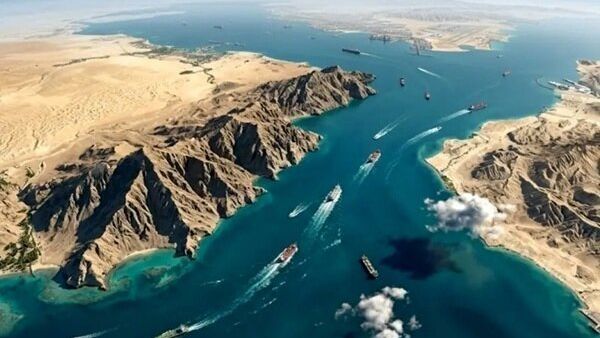
A Chinese oil tanker sanctioned by the U.S. for alleged ties to Iran passed through the Strait of Hormuz despite a U.S. naval blockade, the first such exit from the Gulf since the blockade began. A second sanctioned tanker is heading toward the strait.
 Reliable
NATO Allies Decline to Join US Naval Blockade of Iranian Ports
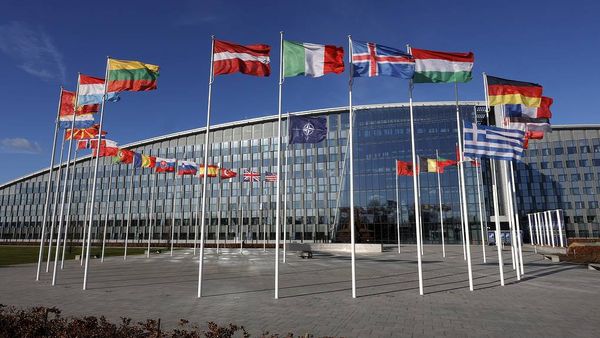
The US has launched a naval blockade on Iranian ports amid regional tensions, with President Trump threatening Iranian vessels. NATO allies including the UK and France have declined to join, while proposing post-conflict security plans for the Strait of Hormuz.