
UNODC facilitates Indonesia visit to boost Afghanistan’s drug treatment efforts
KABUL — The United Nations Office on Drugs and Crime (UNODC) Afghanistan Country Office facilitated an exposure visit for Afghan nationals to Jakarta, Indonesia, from February 9 to 12, 2026.
According to a UNODC statement, the visit was organized under the UN-convened Doha Process Counternarcotics Working Group (CNWG), in collaboration with UN partners and support from the Japan International Cooperation Agency (JICA).
The delegation included Afghan professionals and practitioners involved in drug demand reduction, as well as representatives from UNODC, UNDP, WHO, JICA Afghanistan, and Indonesian counterparts. The aim was to strengthen technical dialogue and cooperation on evidence-based drug use prevention, treatment, rehabilitation, and reintegration services for Afghans affected by drug use disorders, particularly women and men, to build more resilient communities.
The Doha Process CNWG serves as a platform for technical dialogue supporting engagement for the Afghan people in line with global standards, emphasizing a health-focused, humane approach to treatment that upholds individual rights and dignity.
A JICA representative stated: “We are pleased to realize this visit, which aligns with the Doha Process Counternarcotics Working Group and the Joint Engagement Plan for drug use prevention and treatment. Counternarcotics remains one of the immediate and fundamental needs in Afghanistan. We are confident that this visit marks an important step forward, contributing meaningfully to collective efforts to address this critical issue. JICA extends its appreciation to the Government of Indonesia for hosting the visit and to UNODC for its coordination. We sincerely hope that the knowledge gained through this visit will benefit the people of Afghanistan.”
UNODC Country Representative for Afghanistan Polleak Ok Serei said strengthening Afghanistan’s drug treatment system through evidence-based and rights-respecting approaches is essential to protecting lives and fostering resilient communities.
Afghanistan faces significant public health and social challenges from drug use disorders. The last national prevalence survey in 2015 showed around 11 percent of the population tested positive for at least one drug. UNODC’s Afghanistan Drug Use Assessment 2025 indicates a shifting landscape with rising synthetic drugs, pharmaceutical misuse, high economic costs often exceeding a day’s wage, service gaps, and gender disparities in treatment access — 29 percent for women versus 53 percent for men.
Know more about this story?
If you have additional information or believe something is inaccurate, let us know. Your tips help us stay accurate.
More in Society
Afghan women and girls form secret book-reading groups amid Taliban education bans

Taliban warn media in Khost against airing images of living beings: sources

Taliban halts all sports activities in Takhar province for Ramadan
UN-Habitat Warns of Increasing Climate Shocks Threatening Afghanistan
 Reliable
Afghan women and girls form secret book-reading groups amid Taliban education bans
Reports detail secret book-reading groups of Afghan women and girls resisting Taliban education bans, with one five-member circle discussed in a Guardian report and another in Herat focusing on global literature.
 Unconfirmed
Taliban warn media in Khost against airing images of living beings: sources
Taliban Promotion of Virtue agents in Khost instructed local media to stop airing images of living beings, citing their law, while sports activities and Ramadan cricket tournaments face nationwide suspension.
 Reliable
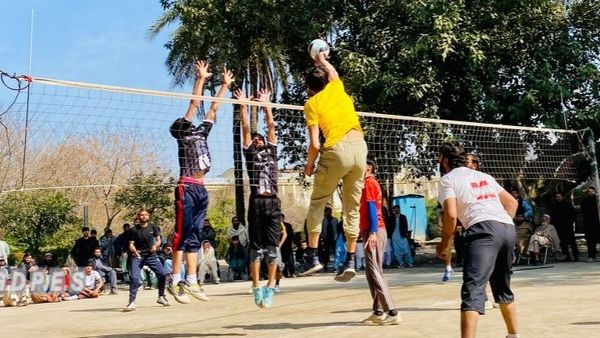
Taliban halts all sports activities in Takhar province for Ramadan
The Taliban ordered a suspension of all sports activities in Takhar province during Ramadan, citing instructions from its national Olympic authority. Sources also reported a nationwide ban on annual Ramadan Cup cricket matches.
 Reliable
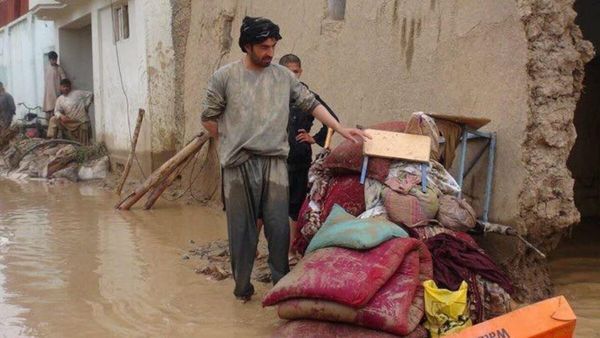
UN-Habitat Warns of Increasing Climate Shocks Threatening Afghanistan
UN-Habitat warns that intensifying climate shocks, including 2025 flash floods affecting over 31,000 people in 28 provinces, pose a serious threat to Afghanistan's vulnerable infrastructure and communities. Residents report insufficient aid, while UN agencies emphasize coordinated resilience efforts.