
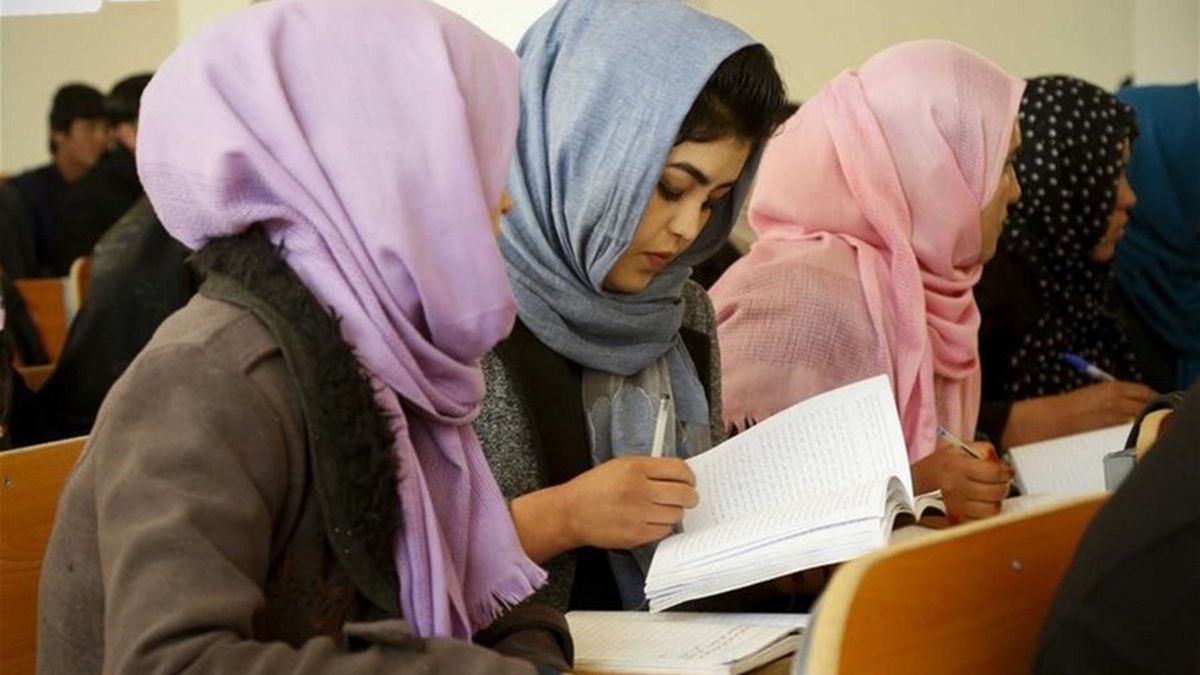
Afghan women and girls form secret book-reading groups amid Taliban education bans
A group of five Afghan women meets secretly every week to read and discuss books by authors including Abbas Maroufi, Zoya Pirzad, George Orwell and Ernest Hemingway, viewing the activity as resistance to Taliban restrictions, according to a Guardian report cited by Afghanistan International.
Four members gather in person every Thursday in a small room at one member's home, with the fifth joining by phone. They call themselves "Women with Books and Imagination" and analyze works such as "Sal-e Bolva," "The Old Man and the Sea," "Animal Farm" and "Symphony of the Dead," discussing themes of suppression, women's roles and hope for the future. The women download books online for free, sometimes borrowing from libraries, and change meeting locations weekly for 1.5 hours to avoid attention. They use VPNs to access content.
One member said: "When they banned us from school, I lost all hope. My mother encouraged me, but I knew things wouldn't get better. I decided to do something myself, and now I have this reading circle."
The group lost their education dreams upon the Taliban's return and are among over two million women and girls deprived of schooling in the past four years. Another member stated: "The Taliban fear aware women. To fight the Taliban, we must become aware and grow. All together."
Separately, in Herat, a group of girls has formed self-initiated book-reading circles in response to the Taliban education ban, reading works by Tolstoy, Chekhov, Ludmila Ulitskaya, Abbas Maroufi, Sadegh Hedayat, as well as books on sociology, biology and psychology, according to Amu TV.
Najla, a pseudonym, favors Richard Dawkins and says the books help her understand prior school learning; she was in sixth grade when schools closed. She feels fulfilled with peers and worries about early marriage, noting books changed her views on marriage. Nasimeh, the oldest, would now be in her fourth university year studying Persian literature to become a teacher; she writes short stories shared online with the "Golden Needle" writing academy.
These activities echo early Taliban rule when girls pursued underground classes, described as small flames of cultural and educational resistance.
Know more about this story?
If you have additional information or believe something is inaccurate, let us know. Your tips help us stay accurate.
More in Society

Taliban warn media in Khost against airing images of living beings: sources

UNODC facilitates Indonesia visit to boost Afghanistan’s drug treatment efforts
Taliban halts all sports activities in Takhar province for Ramadan
UN-Habitat Warns of Increasing Climate Shocks Threatening Afghanistan
 Unconfirmed
Taliban warn media in Khost against airing images of living beings: sources
Taliban Promotion of Virtue agents in Khost instructed local media to stop airing images of living beings, citing their law, while sports activities and Ramadan cricket tournaments face nationwide suspension.
 Reliable
UNODC facilitates Indonesia visit to boost Afghanistan’s drug treatment efforts
UNODC facilitated a visit by Afghan drug treatment experts to Indonesia to enhance evidence-based prevention and rehabilitation services amid rising synthetic drug use. The initiative, backed by JICA and aligned with the Doha Process, addresses key public health challenges in Afghanistan.
 Reliable
Taliban halts all sports activities in Takhar province for Ramadan
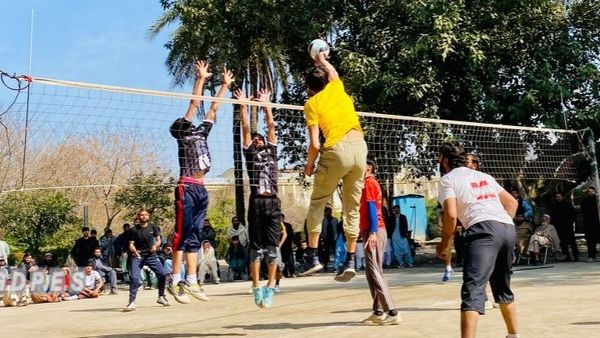
The Taliban ordered a suspension of all sports activities in Takhar province during Ramadan, citing instructions from its national Olympic authority. Sources also reported a nationwide ban on annual Ramadan Cup cricket matches.
 Reliable
UN-Habitat Warns of Increasing Climate Shocks Threatening Afghanistan
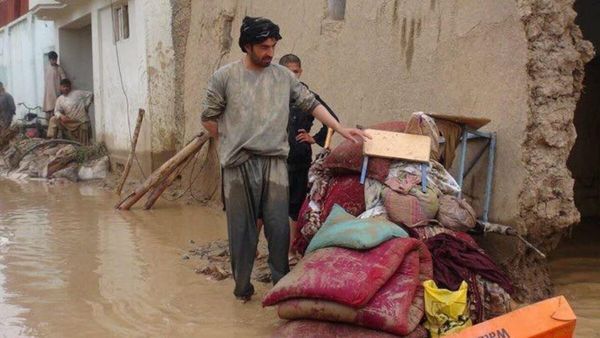
UN-Habitat warns that intensifying climate shocks, including 2025 flash floods affecting over 31,000 people in 28 provinces, pose a serious threat to Afghanistan's vulnerable infrastructure and communities. Residents report insufficient aid, while UN agencies emphasize coordinated resilience efforts.