
UNICEF: Nearly Half of Afghanistan's Population Needs Humanitarian Assistance
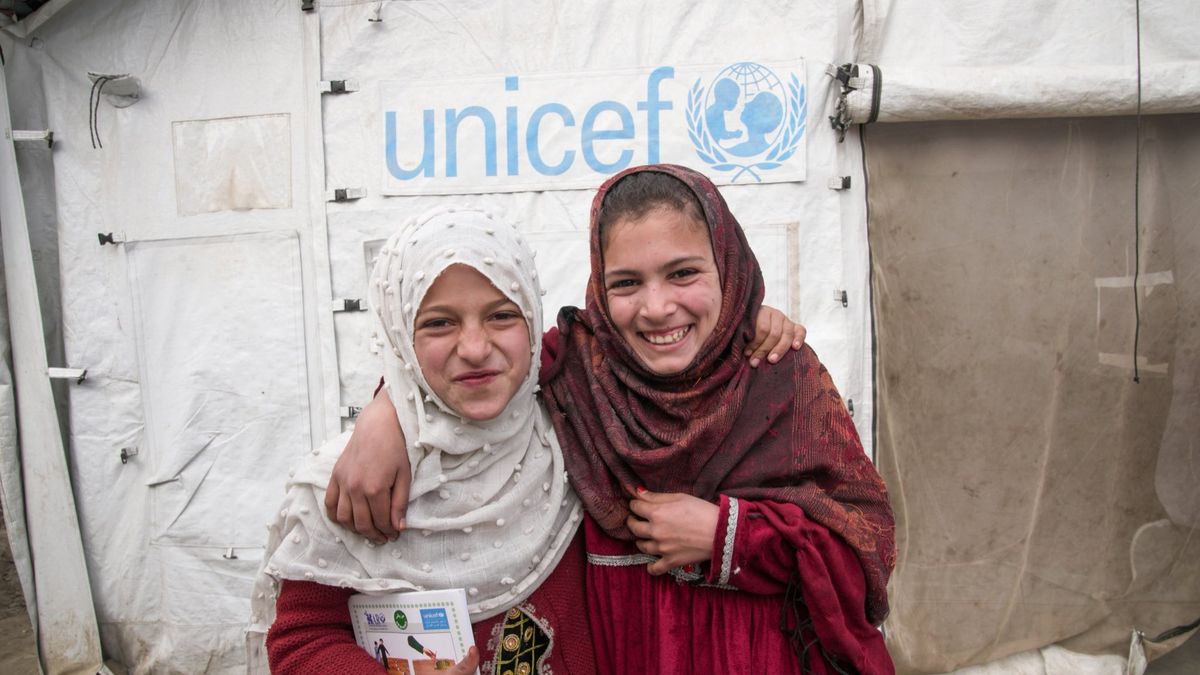
KABUL — The United Nations Children's Fund (UNICEF) has announced that nearly half of Afghanistan's population requires humanitarian assistance, with millions of children at risk of nutritional and health crises.
In a report released on Thursday, 21 Hoot (March 12, 2026), UNICEF stated that in 2026, approximately 21.9 million people, including more than 11.6 million children, will need humanitarian aid.
According to the report, in January alone, more than 46,000 children received treatment for malnutrition-related issues. Additionally, over 185,000 caregivers of young children obtained counseling on maternal, infant, and young child nutrition to prevent malnutrition.
UNICEF noted that 180,124 pregnant women received nutritional supplements to ensure the health of both mothers and children.
The report also highlighted that about 19,313 people gained access to safe drinking water through the construction and reconstruction of sustainable water supply systems.
The United Nations has previously warned that the continuation of ongoing crises could worsen the situation for children and families, increasing the urgent need for humanitarian assistance as well as health and nutritional support.
More in Society

UN's Guterres: Hunger Blocks Children's Path to Education

Afghanistan Trust Fund says it has supported 4 million Afghan women in past four years
Ministries of Public Health and Labor and Social Affairs Meet on Health Services for Vulnerable Groups

Essay Argues Women's Underrepresentation in History Due to Systemic Discrimination
 Reliable
UN's Guterres: Hunger Blocks Children's Path to Education
UN Secretary-General Antonio Guterres warned that hunger blocking children's education means "we all lose," stressing school meals as lifesaving amid crises like Afghanistan's child malnutrition epidemic reported by UNICEF.
 Reliable
Afghanistan Trust Fund says it has supported 4 million Afghan women in past four years
The Afghanistan Trust Fund reports supporting 4 million Afghan women and girls through empowerment projects in over four years of Taliban rule, with its assets growing to over $4 billion. Member Anwar al-Haq Ahadi highlighted profits exceeding $500 million.
 Reliable
Ministries of Public Health and Labor and Social Affairs Meet on Health Services for Vulnerable Groups
Afghanistan's Minister of Public Health Molavi Noor Jalal Jalali met with the Deputy Minister of Social Affairs Molavi Obaidullah Aminzadeh to discuss health services for orphans, unaccompanied children, women, and other vulnerable individuals. They agreed to form a joint committee for a memorandum of understanding on standard health services in orphanages and support centers.
 Unverified
Essay Argues Women's Underrepresentation in History Due to Systemic Discrimination
Hasht-e Subh essay contends that men's prominence in historical records of science, art, and politics results from systemic barriers against women, not inherent differences, and links this to contemporary Afghanistan.