
UNAMA: Return of nearly 5 million Afghans in two years; unprecedented pressure on humanitarian services
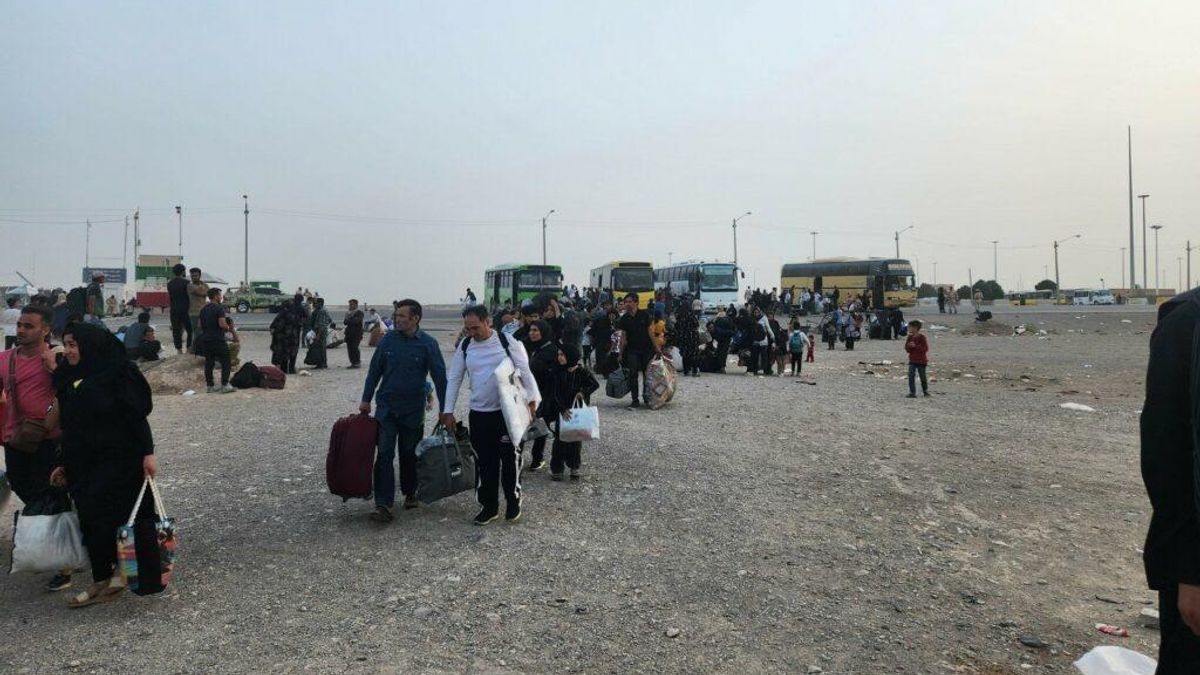
KABUL (Pajhwok) -- The UN Assistance Mission in Afghanistan (UNAMA) announced that approximately five million people have returned to Afghanistan from neighboring countries over the past two years.
In a Facebook post on Tuesday, UNAMA stated: "Over the past two years, nearly 5 million people, equivalent to nearly 10% of the country's population, have returned to Afghanistan. This trend has mainly been shaped by forced expulsions from neighboring countries and the imposition of stringent immigration restrictions."
UNAMA reported that in 2025 alone, an estimated 2.78 million Afghans returned, with the majority from Iran (about 1.88 million) and Pakistan (about 899,000). Of these, 2.3 million lacked official documents and 484,000 had valid documents.
At the peak during June and July, daily returnees from Iran reached 30,000 to 40,000 people, severely straining border reception capacities and challenging systems for transfer, registration, and basic services.
"The United Nations and humanitarian agencies have intensified coordinated efforts to provide emergency assistance," UNAMA said. "However, the scale of the crisis far exceeds the capacity of available resources. Severe funding shortages have meant that aid does not meet the needs of all those in need."
Immediate priorities include providing shelter, strengthening food security, supporting livelihoods, and implementing sustainable reintegration programs. Gaps in long-term support exacerbate risks of increased vulnerability and social instability.
UNAMA highlighted that women, girls, and children face double risks, with nearly one-third of returnees being women and girls. Children under 17, especially unaccompanied and separated ones, require immediate protective support, family tracing services, and psychosocial assistance.
Returnees without official documents face serious barriers to basic services, livelihood opportunities, and legal support, placing them in acute vulnerability.
More in Society

Afghan Youth Football Captain Leaves National Team Camp Over Poor Conditions
Afghan Migrants in Turkey Face Legal, Livelihood and Health Challenges
Ghazni residents call for construction of standard recreational facilities and modern hotels
Ministry of Public Health signs $10.3 million contract to expand health services in Paktia
 Reliable
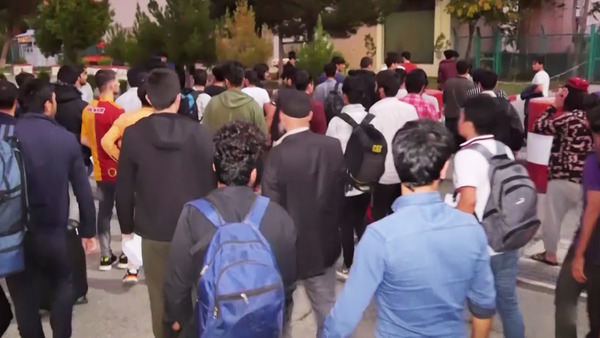
Afghan Youth Football Captain Leaves National Team Camp Over Poor Conditions
Jawid Nozari, captain of Afghanistan's youth national football team, quit the senior team's Kabul camp citing poor facilities and nutrition, announcing his retirement from national games on Facebook. The move has drawn criticism from expert Ali Askar Lali against federation management.
 Reliable
Afghan Migrants in Turkey Face Legal, Livelihood and Health Challenges
Afghan migrants in Turkey without legal status face severe restrictions on healthcare, travel and daily life, compounded by economic push factors from Afghanistan. Activists call for job creation in Afghanistan to stem illegal migration.
 Reliable
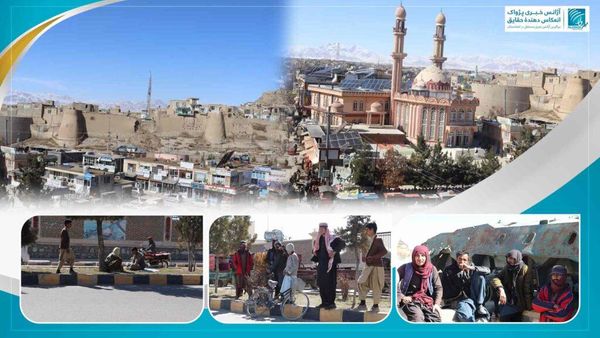
Ghazni residents call for construction of standard recreational facilities and modern hotels
Residents of Ghazni province are urging the construction of standard recreational facilities and modern hotels to encourage longer stays by tourists visiting the area's historical sites. Officials acknowledge the need and report ongoing efforts and private investments.
 Reliable
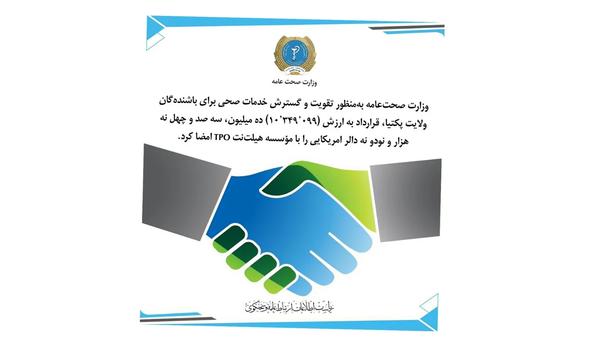
Ministry of Public Health signs $10.3 million contract to expand health services in Paktia
Afghanistan's Ministry of Public Health signed a $10.3 million, 1.5-year contract with Hiltonet TPO to boost basic and specialized health services in Paktia province, creating 1,538 jobs.