
UN Women Says Situation for Afghan Women Has Worsened Amid Escalation of Tensions with Pakistan
UN Women stated that the situation for women in Afghanistan has worsened this year due to escalating conflicts with Pakistan.
The agency reported that more than 64,000 people in eastern Afghanistan have been affected by the violence, with more than half being women and girls. A large number of civilian casualties in these conflicts have been women and children. Many women have been displaced multiple times amid conflicts and earthquakes, facing challenges including lack of shelter, health services and drinking water, risks of violence and abuse during displacement, limited access to services and work, and legal concerns.
UN Women highlighted that the Taliban penal code has reduced women's legal equality and legalized some forms of domestic violence. Only 14% of women have access to basic justice services, compared to 53% of men. More than 10.7 million women and girls in the country need humanitarian assistance, with rising prices exacerbating hardships for families, especially those headed by women. Aid programs for women face a severe funding shortage of about 50%.
The agency urged the international community not to normalize the plight of Afghan women and to continue global support.
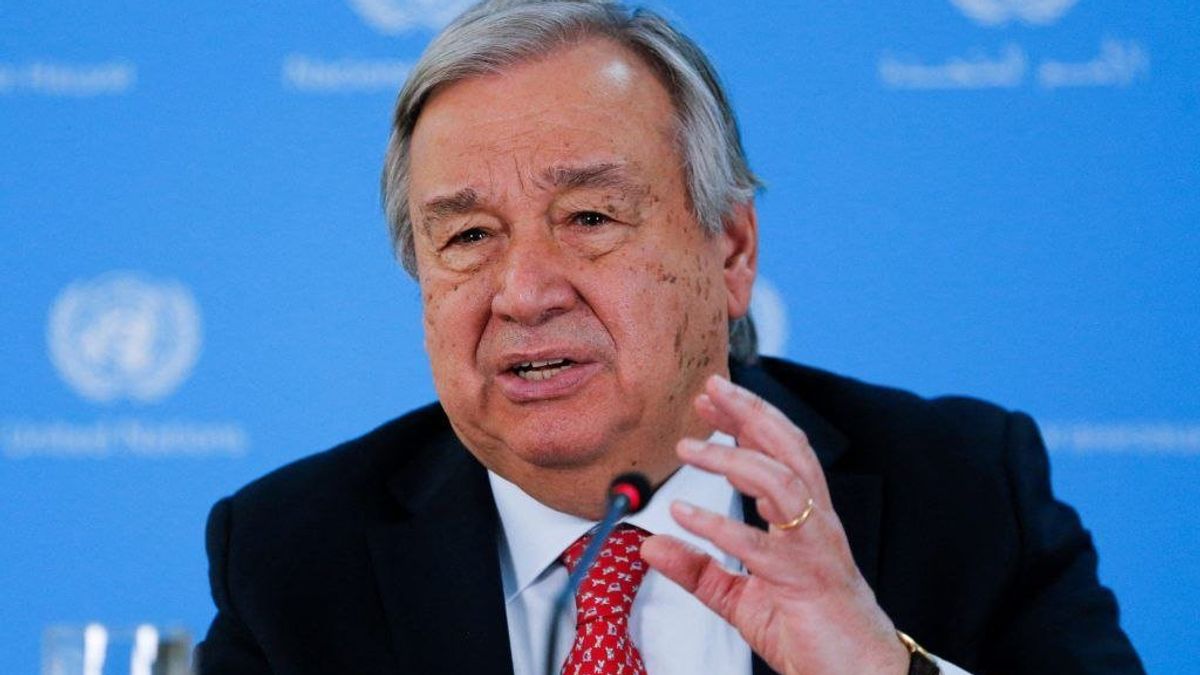
Separately, UN Secretary-General Antonio Guterres condemned education bans on women and girls, stating they are being systematically pushed out of public life. In a post on X, he praised Nobel Peace Prize winner Malala Yousafzai for her advocacy on their rights.
Since returning to power in 2021, the Taliban have imposed sweeping restrictions on women's education, employment and public participation. Girls remain barred from secondary schools and universities, while women face limits on employment in many sectors. Rights groups have described these measures as gender apartheid. No country has formally recognized the Taliban government, with diplomats linking recognition to changes in women's rights policies.
Know more about this story?
If you have additional information or believe something is inaccurate, let us know. Your tips help us stay accurate.
Where reports agree
- UN Women report highlights worsening conditions for Afghan women due to Pakistan conflicts
- 64,000+ people affected in eastern Afghanistan, over half women/girls
- Many civilian casualties from conflicts are women/children
- Displacement and related challenges (shelter, health, water, violence risks) severely impact women
More in Society

Former Afghan Taekwondo National Athlete Habib-Jaan Arab Dies
Bamyan Launches Campaign to Plant 385,120 Saplings
Afghan Cricket Team Officials Visit Injured Victims in Kabul Hospitals
Afghanistan Observes National Journalists' Day Amid Intensified Media Restrictions Under Taliban
 Reliable
Former Afghan Taekwondo National Athlete Habib-Jaan Arab Dies
The Afghanistan Taekwondo Federation announced the death of former national team member Habib-Jaan Arab, calling it a great loss to Afghan sports. Media reports said he died on Sunday from illness in Takhar province.
 Reliable
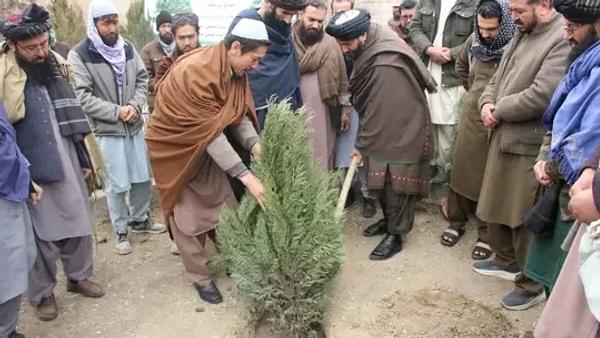
Bamyan Launches Campaign to Plant 385,120 Saplings
Bamyan province has launched the Shani Sapling campaign to plant 385,120 fruit and non-fruit saplings, starting at Tapa Chuni recreational park. Governor Qari Gul Haider Shafaq emphasized the campaign's role in promoting a healthy environment and public health.
 Reliable
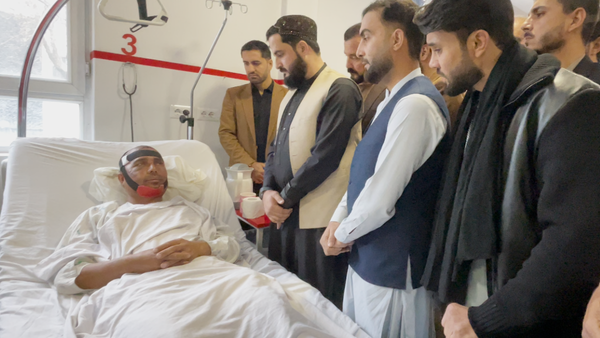
Afghan Cricket Team Officials Visit Injured Victims in Kabul Hospitals
Prominent Afghan cricket players including Nasib Khan Zadran, Gulbadin Naib, Hashmatullah Shahidi and Qais Ahmad visited injured victims from a recent incident at two Kabul hospitals, expressing sympathy, promising cash aid and condemning the event. The injured welcomed the support but highlighted ongoing economic hardships for their families.
 Reliable
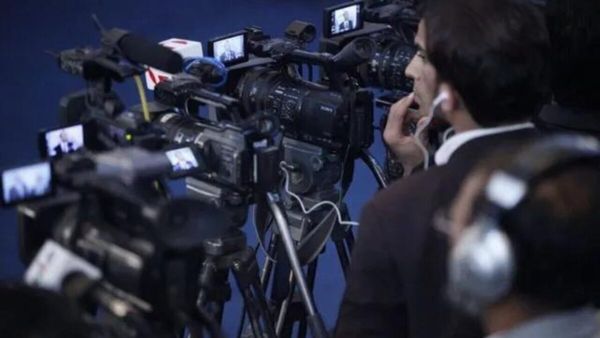
Afghanistan Observes National Journalists' Day Amid Intensified Media Restrictions Under Taliban
Afghanistan observed National Journalists' Day on 27 Hoot amid reports of rising media restrictions under Taliban rule, including the closure of 15 outlets in 2025 and 205 documented violations. The Afghanistan Journalists Center noted a 13% increase in censorship and threats, with five journalists still imprisoned.