
SECURITY — June 13, 2026
UN Security Council Report Classifies 25 Active Terrorist Groups in Afghanistan
The assessment indicates that many groups have restructured into small cells or merged with larger organizations such as the Taliban and Tehrik-i-Taliban Pakistan for protection, while the Islamic State Khorasan Province and al-Qaeda pose significant cross-border risks.
The Ehtebar Desk — originates with Afghanistan International — 2 min read
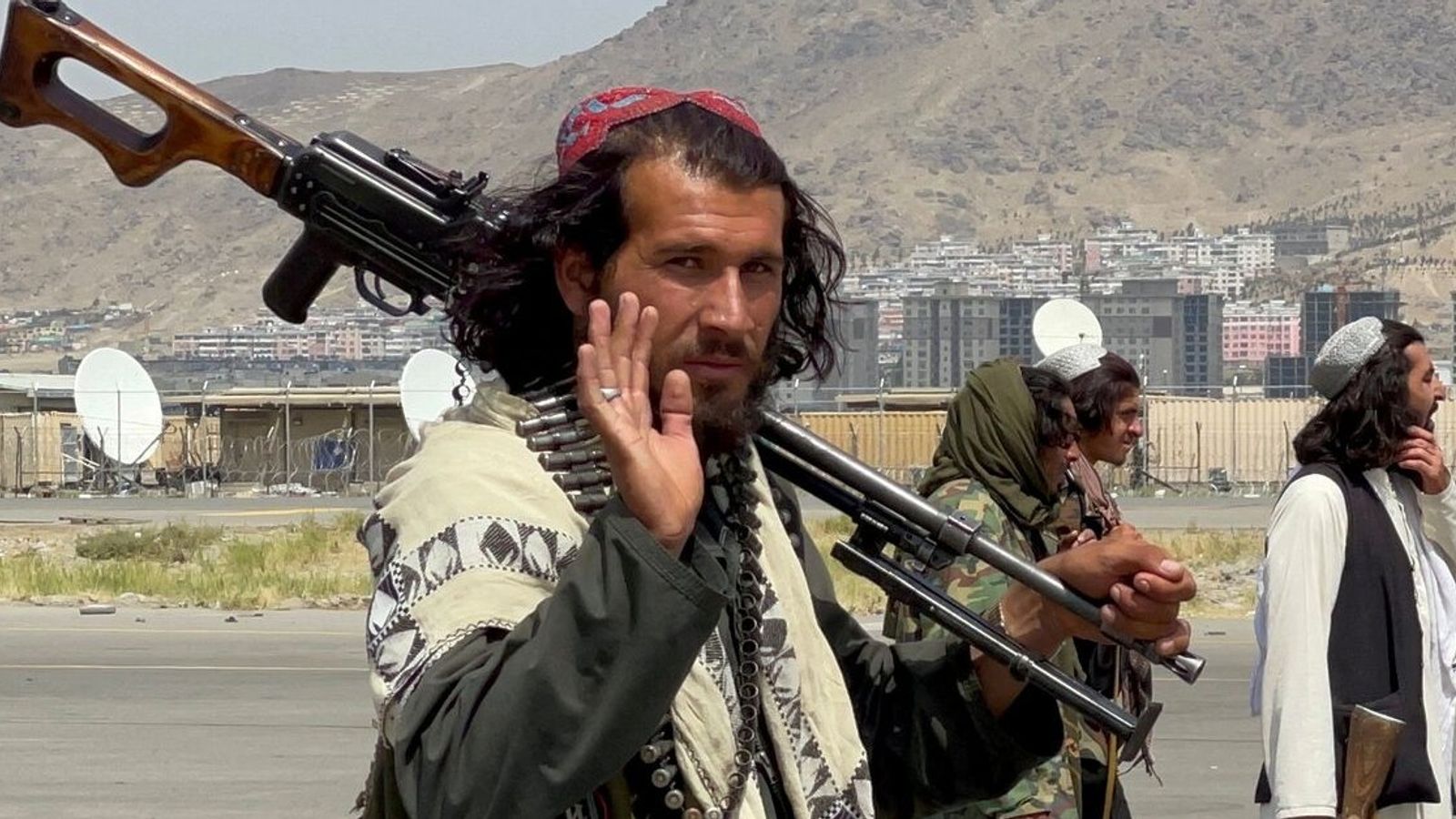
A report drawing on United Nations Security Council documents has classified 25 active terrorist groups in Afghanistan into six categories based on geographical origins, strategic objectives, and threat levels.
Many of the groups have restructured into small cells, affiliated networks, or front organizations to evade pressure, with about 23 absorbed into larger entities operating under the Taliban protective umbrella.
The Islamic State Khorasan Province maintains between 2,000 and 4,000 fighters, is led mainly by Afghans with significant Central Asian membership, and does not recognize Taliban legitimacy. The group has been linked to the Crocus concert hall attack in Moscow.
Al-Qaeda is reported to be rebuilding bases and training centers in several Afghan provinces while holding influence inside Taliban structures. Its Indian Subcontinent branch is led by Osama Mahmoud and Yahya Ghori, who operate from Kabul with media activities based in Herat.
Six to seven smaller anti-Pakistan groups have integrated into Tehrik-i-Taliban Pakistan. The assessment identifies the Islamic State Khorasan Province, al-Qaeda, and Central Asian militant groups as the main sources of cross-border threats.
Read the original reporting at Afghanistan International →
Reliability assessment
Single source but directly cites UN Security Council Sanctions Committee documents and UN reports with concrete details on group sizes, leadership locations, and specific incidents; former official statement is anonymous but aligns with named UN sourcing.
The source language mixes facts with framing or advocacy wording. Afghanistan International: "changing faces for survival", "complex security challenges", "open enmity with the Taliban" - these phrases frame the groups' adaptations as deceptive or threatening and portray the security situation as inherently unstable under Taliban rule.
Across the newsrooms
Filed by
Afghanistan International
Originating
Framed
Framed
Filed under
Security — ISKP, Al-Qaeda, Taliban, Terrorist Groups, UN Security Council
Spotted an error or have more on this story? Tip the desk on Telegram → or WhatsApp →.
Reader supported
Keep Ehtebar running
Every published story uses paid tools to translate reporting, compare sources, extract claims, and produce a clearer read on Afghanistan. Reader support helps keep that work independent.
€5
helps cover daily verification runs
€15
supports a week of source comparison
€50
keeps independent analysis moving
More in Security
Taliban Arrest Five Panjshir Residents on Weapons and Opposition Links Charges
— Unverified
Man arrested in Ghazni for killing uncle in family dispute
— Reliable
Border Police Arrest One Person for Smuggling 409,200 Dollars at Islam Qala Port
— Reliable
Young Man from Panjshir Missing in Kabul for Over a Week
— Reliable