
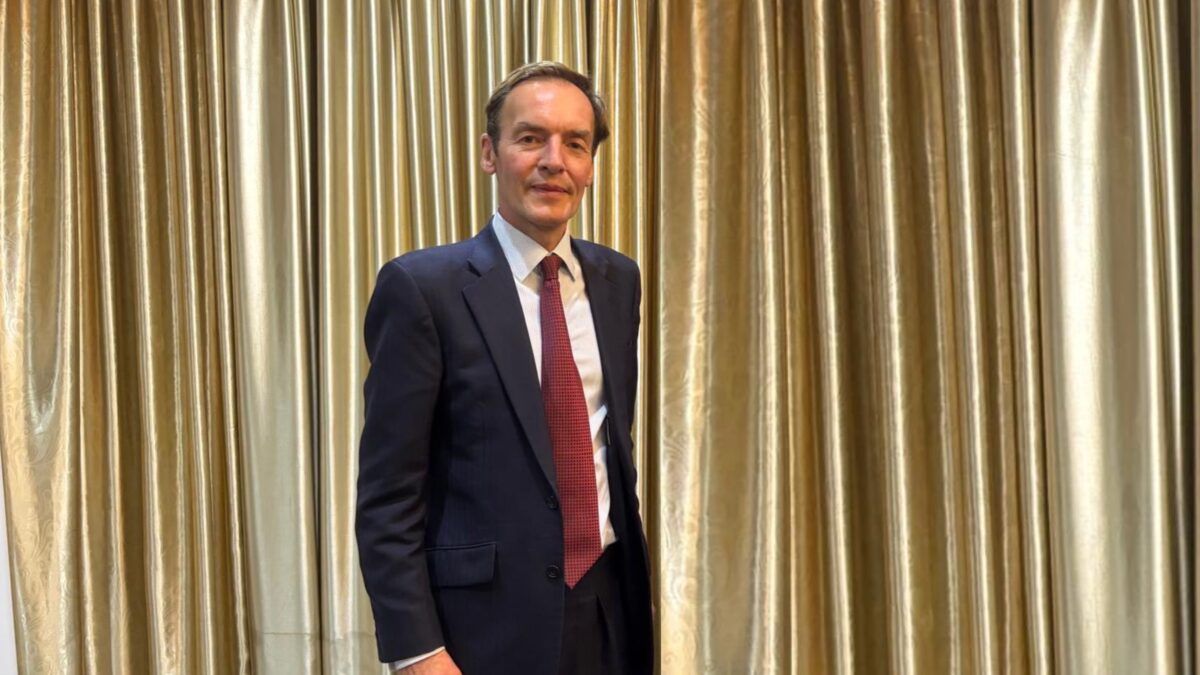
UK Special Envoy Labels Taliban Criminal Court Decree 'Unjust,' Urges Revocation
The United Kingdom's special envoy for Afghanistan has criticized the Taliban's Decree Twelve regulating criminal court procedures as unjust and repressive, calling for its revocation.
Richard Lindsay referenced a letter sent on the tenth of April by UN human rights experts to Taliban Foreign Minister Amir Khan Muttaqi. The letter raised more than twenty legal questions about the decree and warned that it is incompatible with international human rights standards.
The UN experts stated that the decree lacks fundamental fair trial guarantees, including the presumption of innocence, the right to a defense lawyer and effective appeals. They cited a lack of transparency, vague definitions of crimes and the potential to undermine equality before the law and protection from torture. The concerns could lead to arbitrary enforcement against activists, religious minorities and other vulnerable groups.
The decree took effect in January and was drafted without reference to Afghanistan's previous constitution or recognized legislative processes.
It has also been criticized for provisions that recognize slavery, accuse followers of other religions of heresy, permit husbands to beat wives to the point of breaking bones and exacerbate human rights violations against religious minorities.
Lindsay stressed that the decree must be repealed to ensure respect for human rights for all Afghans.
Know more about this story?
If you have additional information or believe something is inaccurate, let us know. Your tips help us stay accurate.
Where reports agree
- The UK Special Envoy for Afghanistan criticized the Taliban's criminal court decree and called for it to be revoked.
- UN human rights experts have expressed serious concerns about the decree in a letter to the Taliban and warned of negative impacts on human rights.
- Human rights must be respected for all Afghans in relation to this decree.
Where reports differ
- Variation in the spelling of the UK envoy's name (Richard Landy vs. Richard Lindsay) and characterization of the decree (unjust vs. repressive).
- Amu TV emphasizes fair trial deficiencies, lack of presumption of innocence, transparency issues, and risks to civil society, while Hasht-e Subh focuses on slavery, religious heresy accusations, suppression of minorities, and permission for severe domestic violence.
- Only Amu TV reports the decree's effective date (January), the letter's specific date (10 April), leadership by Richard Bennett, and detailed incompatibility with international law; Hasht-e Subh mentions over 20 legal questions from experts.
More in Politics
Taliban Demolish Homes, Businesses and Historic Cemetery for Road Projects in Kabul
Kandahar Bans Printing and Selling of Flags Other Than Official Flag of Islamic Emirate

Maulvi Abdul Salam Hanafi Says Strengthening the Islamic System and Good Governance Depend on the Efforts of the Mujahideen

360 Media Activists Send Open Letter to UN Calling for Release of Detained Journalists in Afghanistan
 Reliable
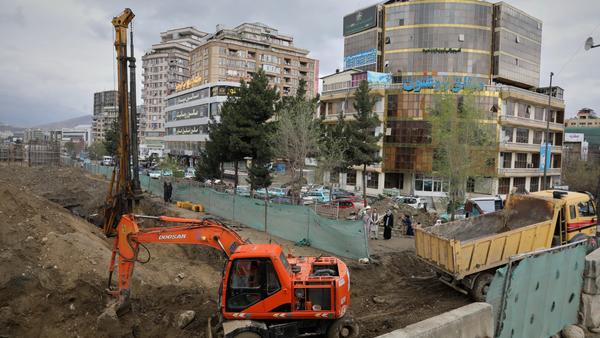
Taliban Demolish Homes, Businesses and Historic Cemetery for Road Projects in Kabul
Taliban officials in Kabul are demolishing homes, businesses and a historic cemetery to widen roads as part of a plan inherited from the previous government. The work has caused a housing shortage and driven up rents in the capital.
 Reliable
Kandahar Bans Printing and Selling of Flags Other Than Official Flag of Islamic Emirate
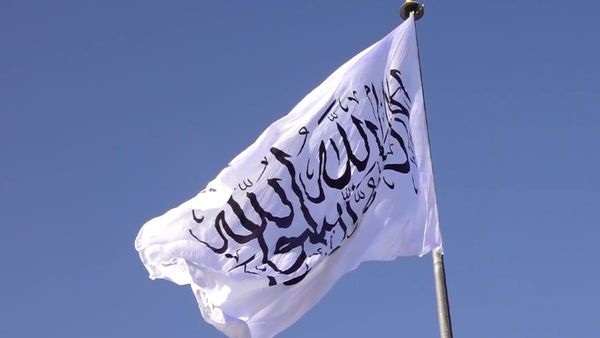
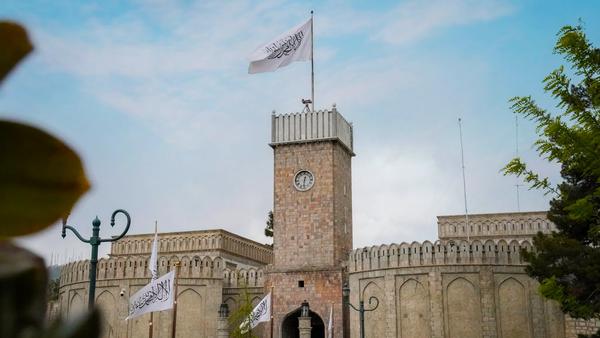
The Kandahar Department of Information and Culture has banned the printing, publication, purchase and sale of any flags other than the official flag of the Islamic Emirate, issuing instructions to relevant businesses province-wide to comply.
 Reliable
Maulvi Abdul Salam Hanafi Says Strengthening the Islamic System and Good Governance Depend on the Efforts of the Mujahideen
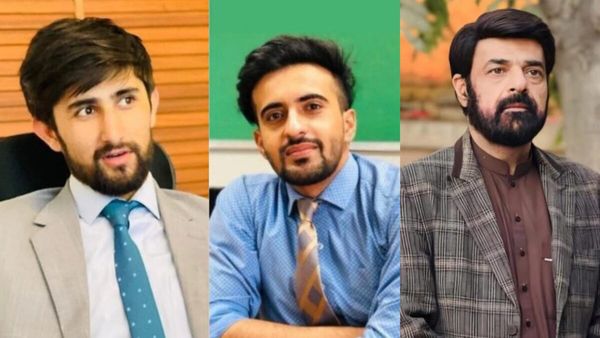
During a visit to Samangan province, Maulvi Abdul Salam Hanafi met with the governor, scholars and officials who presented demands for roads, schools, madrasas, clinics and other development projects in remote areas. He stated that strengthening the Islamic system and good governance depend on the efforts of mujahideen and assured that the Islamic Emirate would address the proposals according to available resources.
 Reliable
360 Media Activists Send Open Letter to UN Calling for Release of Detained Journalists in Afghanistan
An open letter signed by 360 media activists urges UN Secretary-General Antonio Guterres to press for the immediate release of detained journalists in Afghanistan, citing their alarming conditions and deteriorating health.