
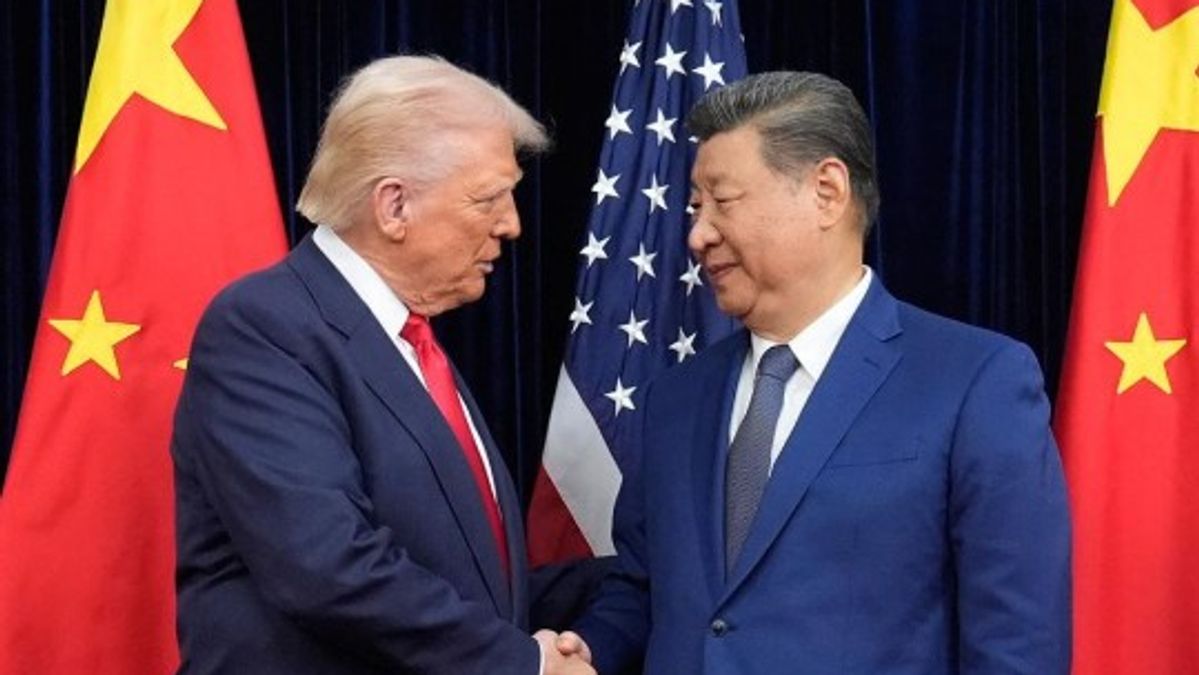
Trump Imposes New 10% Tariffs on Imports After Supreme Court Ruling
The U.S. Supreme Court ruled 6-3 that President Donald Trump's previous broad tariffs on imports were unlawful, stating that Congress holds the authority to impose such measures.
Trump responded by issuing an executive order for a new 10% tariff on all imports from trading partners, effective next Tuesday and lasting up to 150 days under Section 122 of the 1974 Trade Act. Pajhwok reported the measure replaces prior 10-50% tariffs struck down under the International Emergency Economic Powers Act. Exemptions include aircraft products, passenger vehicles, certain light trucks, goods under the US-Mexico-Canada agreement, pharmaceuticals, critical minerals, and specified agricultural products. Treasury Secretary Scott Bessent said tariff revenues for 2026 would remain largely unchanged, while reimbursing about $175 billion collected previously could take years due to lengthy legal processes.
Khaama Press, citing the Associated Press, noted prior tariffs generated $133 billion by year's end, with potential $3 trillion economic impact over a decade. The White House indicated reimbursements for affected companies could span years. The administration also launched new investigations under Sections 301 and 232 to potentially restore or raise tariffs.
Separately, bipartisan lawmakers announced plans to vote next week on resolutions limiting presidential war powers against Iran. Rep. Thomas Massie (R-KY) and Rep. Ro Khanna (D-CA) plan a House measure, while Sens. Tim Kaine (D-VA) and Rand Paul (R-KY) introduced a Senate version. Kaine stated, "If some of my colleagues support war, they should have the courage to vote for war and be accountable to their constituents." Khanna posted on X that Trump officials indicated a 90% chance of striking Iran without Congress.
Trump warned Iran on its nuclear program, giving a 10-15 day ultimatum for a "meaningful" deal or face "really bad things." Iran told UN Secretary-General Antonio Guterres it would not start a war but respond decisively to aggression.
Reuters reported, citing a White House official, that Trump plans a March 31-April 2 visit to China to discuss extending the trade truce with President Xi Jinping amid the tariff developments.
Know more about this story?
If you have additional information or believe something is inaccurate, let us know. Your tips help us stay accurate.
More in International

Indian Poet Calls on Clerics to Condemn Taliban's Actions Against Women
UN: 880 Palestinian families displaced due to West Bank settler attacks
UNRWA: Israel Continues to Block Aid Entry to Gaza
Islamic Emirate of Afghanistan Ambassador Meets Kazakh Counterpart in Ankara
 Reliable
Indian Poet Calls on Clerics to Condemn Taliban's Actions Against Women
Indian poet Javed Akhtar called on Indian clerics to condemn the Taliban's new penal code provisions allowing wife-beating and restricting women's movement. He criticized recent warm welcomes for Taliban officials in India amid expanding ties.
 Reliable
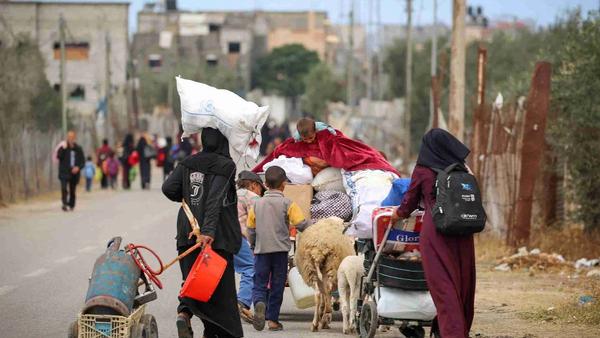
UN: 880 Palestinian families displaced due to West Bank settler attacks
UN spokesperson Stéphane Dujarric reported that around 880 Palestinian families have been displaced in the West Bank due to settler attacks and restrictions, with over 900 affected since the start of 2026. He voiced concerns about violence by settlers and Israeli forces.
 Reliable
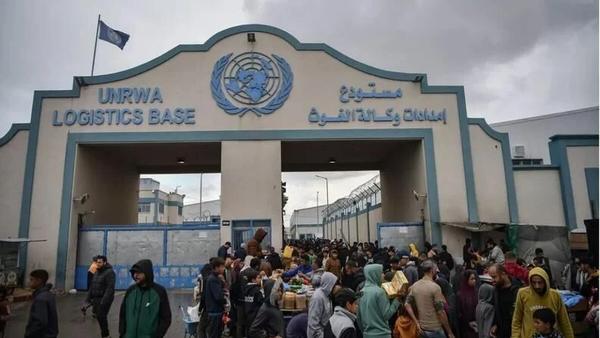
UNRWA: Israel Continues to Block Aid Entry to Gaza
UNRWA reported that Israel continues blocking humanitarian aid to Gaza, where 2.4 million Palestinians face a severe crisis with 1.5 million displaced. The agency urged authorities to allow entry of stockpiled aid from Egypt and Jordan, warning of catastrophic impacts if restrictions persist.
 Reliable
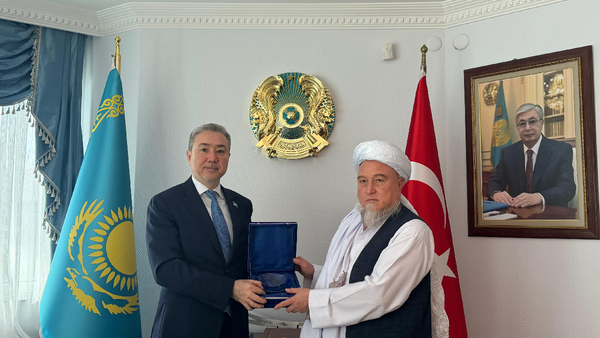
Islamic Emirate of Afghanistan Ambassador Meets Kazakh Counterpart in Ankara
The ambassador of the Islamic Emirate of Afghanistan in Ankara met with Kazakhstan's ambassador to Turkey to discuss bolstering bilateral political, economic, and cultural ties. Experts highlighted the strategic importance of relations with neighbors like Kazakhstan, including its role in the TAPI project.