
The Big Lie: Promises of Freedom in Afghan History
An article published by Hasht-e Subh titled "The Big Lie" argues that promises of freedom and popular sovereignty in modern Afghan history have masked a deeper logic of external control and societal containment.
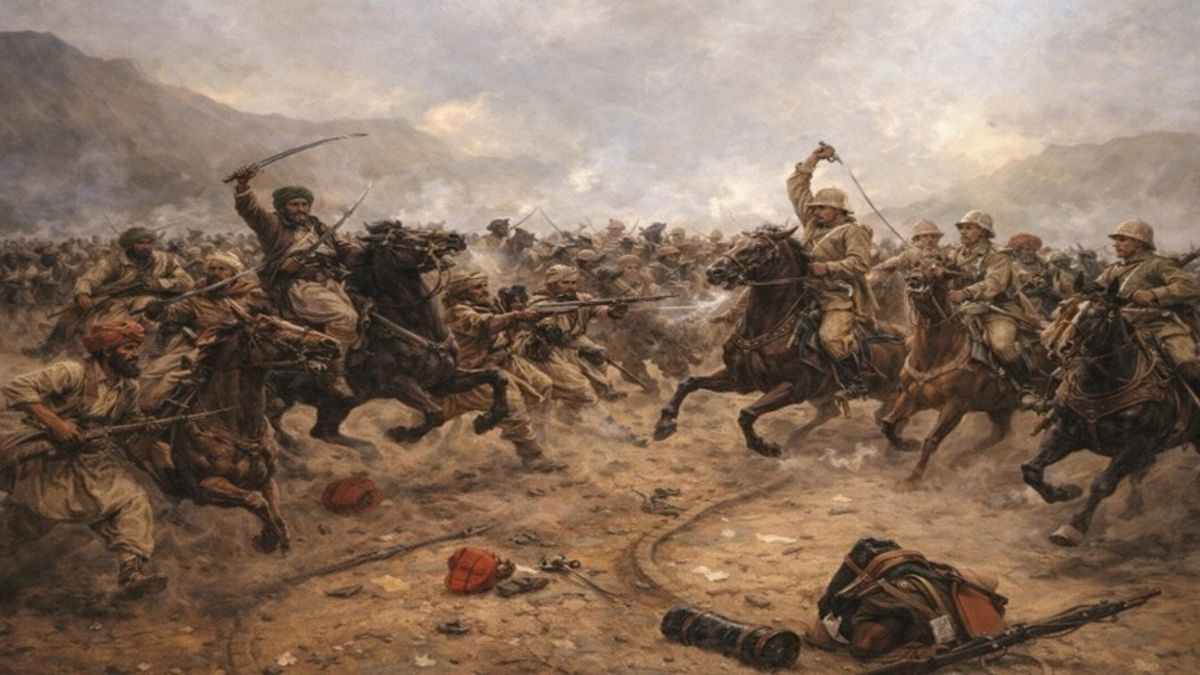
The piece traces this pattern from the era of Abdul Rahman Khan, whose centralized government emerged from colonial balances rather than collective will, involving suppression of local structures and social cohesion. It cites the Battle of Maiwand in 1880 during the Second Anglo-Afghan War, where Afghan forces under Ayub Khan defeated British troops, demonstrating popular will's potential. However, the article contends this military victory did not yield lasting political freedom, as it was channeled into structures reinforcing control, with Abdul Rahman Khan stabilized as a controllable figure.
The analysis extends to the 1990s Taliban takeover and the post-2001 period following their initial fall. It describes the Bonn Conference designating Hamid Karzai as leader through externally supported political agreements, leading to a republic marred by corruption, eroded legitimacy, and flawed elections in 2009, 2014, and 2019. The Doha Agreement, signed without effective public or prior government involvement, facilitated the Taliban's return and Kabul's fall in August 2021, perpetuating dependency.
The article asserts that external powers continue indirect engagement with the Taliban without full recognition or isolation, maintaining a dual status. It concludes that true legitimacy and freedom require internal awakening, organization, and responsibility by Afghans themselves, rather than reliance on foreign powers or regime changes.
More in Politics
Mullah Noorullah Noori: We Will Defend Every Inch of Soil Under Islamic System with Our Lives
Azar Nafisi: Iranians Want the Same Things as People Around the World
Kabul Governor Meets Deh Sabz District Officials

Islamic Emirate Exempts Fees for Citizenship Card Verification
 Reliable
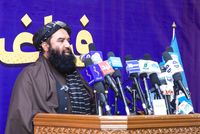
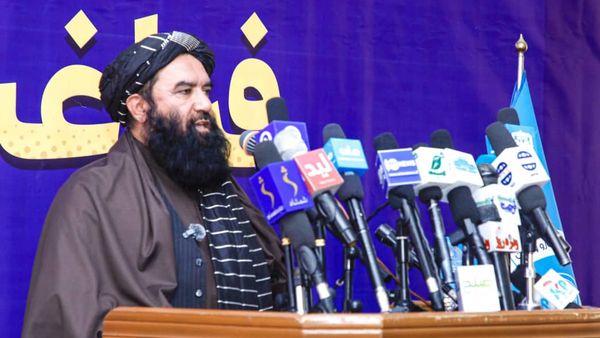
Mullah Noorullah Noori: We Will Defend Every Inch of Soil Under Islamic System with Our Lives
Afghanistan's Minister of Borders, Ethnicities and Tribes Mullah Noorullah Noori urged border forces to protect every inch of soil under the Islamic system at the cost of their lives, with forces pledging firm defense.
Azar Nafisi: Iranians Want the Same Things as People Around the World
Iranian author Azar Nafisi discusses the roots of recent protests in Iran, emphasizing women's loss of fundamental rights under the Islamic Republic and the broad societal hope amid repression. In a BBC interview, she highlights solidarity across genders and generations as a sign of potential change.
 Reliable
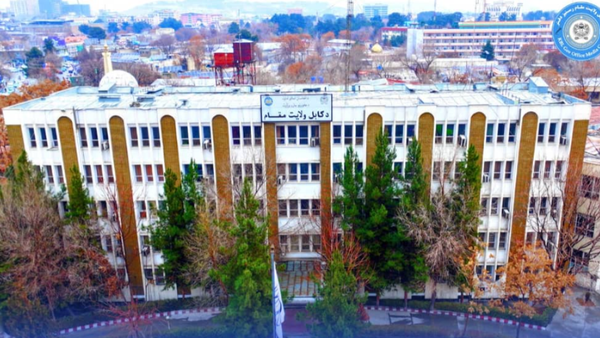
Kabul Governor Meets Deh Sabz District Officials
Kabul Governor Mullah Aminullah Obaid held a meeting with Deh Sabz district officials, urging better coordination on the New Kabul City project and directing anti-corruption measures.
 Reliable
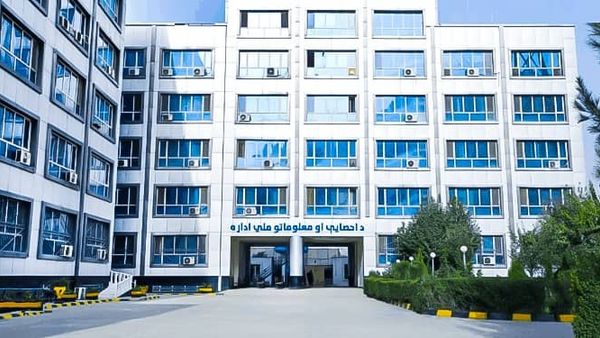
Islamic Emirate Exempts Fees for Citizenship Card Verification
The Islamic Emirate of Afghanistan has exempted fees for verifying citizenship tazkiras, according to the National Statistics and Information Authority. Error corrections in tazkiras will also be provided free after official verification.