
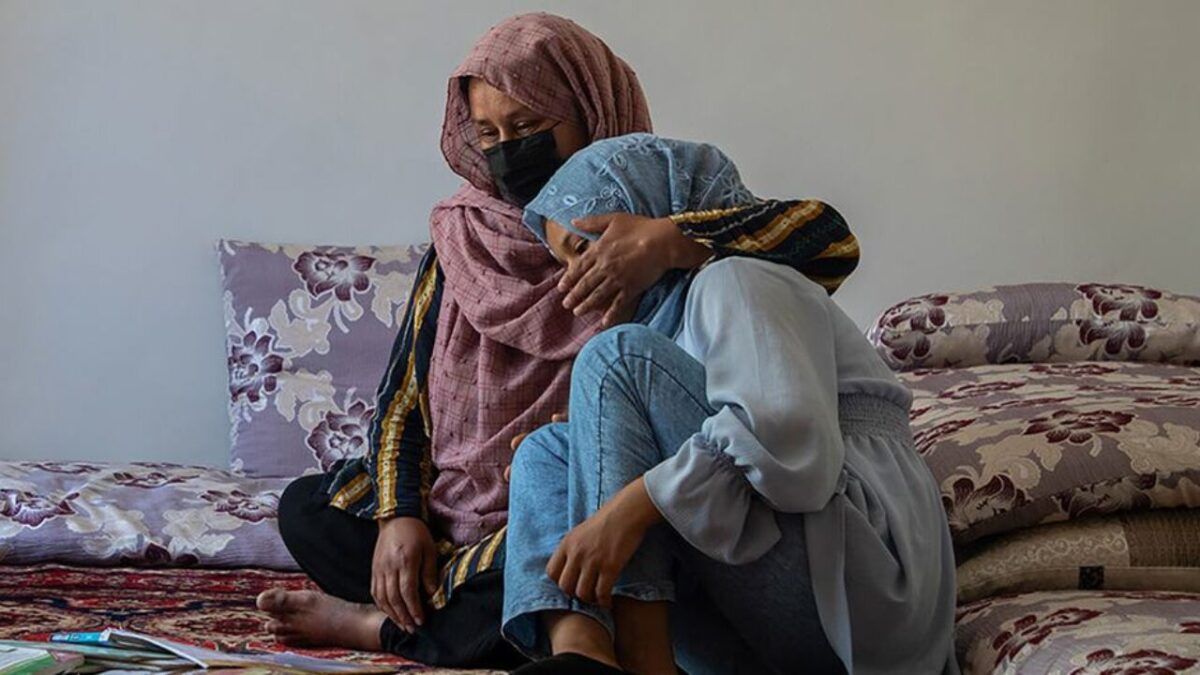
Taliban Officials' Mandatory Mahram Policy for Male Doctors Raises Concerns Over Women's Education and Healthcare
Recent statements by Taliban officials requiring male doctors to act as mahrams for female patients have sparked legal, humanitarian, and health concerns, according to an Amu TV analysis.
The policy appears aimed at addressing the shortage of female doctors through a new interpretation of Islamic jurisprudence, but it reflects deeper issues stemming from restrictions on women's education and professional training. The analysis argues that bans on girls studying medicine have created an inevitable shortage of female medical staff, making male doctors' role as mahrams not a solution but a sign of structural failure.
In Islamic fiqh, the concept of mahram is limited to kinship or specific religious conditions. Designating male doctors as absolute mahrams for female patients publicly deviates from traditional definitions and arises from educational restrictions rather than necessity, the piece contends. It questions whether policymakers who caused the crisis can invoke emergency to alter rulings, deeming forced mahram legally and logically invalid.
The ban on women's medical education has critically impacted public health. Afghanistan previously faced shortages of female doctors, midwives, and nurses in remote areas; ongoing restrictions have worsened this to a crisis stage. Universities that could train new female specialists are effectively sidelined, reducing healthcare capacity, straining treatment centers, and eroding trust between female patients and the system.
In rural areas, lack of female doctors leads many women to skip basic checkups. Policies place women in a double bind: barred from specialized studies yet expected to accept male doctors for private exams due to staff shortages. Broader restrictions affect women's employment in government and NGOs, media, travel without a mahram, civil activities, and public spaces.
Pre-existing high maternal mortality rates risk rising further without quality care and female specialists. Cultural concerns deter women from male doctors, delaying diagnoses, pregnancy complications, and preventable deaths. The analysis cites World Food Programme and World Health Organization data showing over 40% shortage of female doctors and maternal mortality exceeding 800 per 100,000 live births in some provinces.
International responses have been limited to statements, risking normalization of restrictions. Proposed solutions include lifting education bans, online and telemedicine training, bolstering female healthcare roles, and effective global support with oversight.
More in Society
UN-Habitat: Decent Housing is a Human Right, Not a Privilege
Snow Leopard Kills 9 Livestock in Badakhshan's Wakhan District
Pul-e Khumri Municipality Launches Campaign to Plant Thousands of Saplings
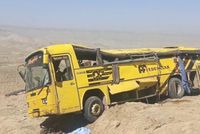
Nine killed, 35 injured in bus crash on Badghis-Herat highway
 Reliable
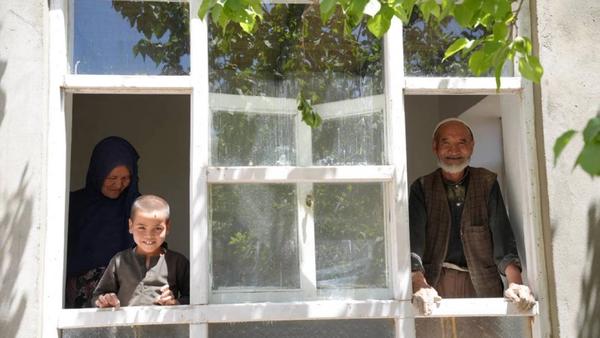
UN-Habitat: Decent Housing is a Human Right, Not a Privilege
UN-Habitat affirmed that decent housing is a human right essential for health, culture and security, highlighting its links to poverty amid challenges faced by many Afghans including the poor, returnees and displaced persons.
 Reliable
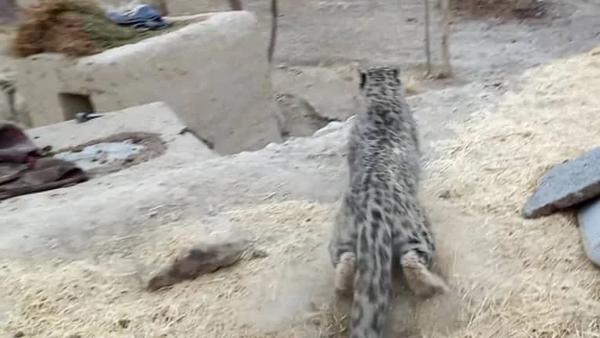
Snow Leopard Kills 9 Livestock in Badakhshan's Wakhan District
A snow leopard killed nine livestock and injured seven in Khandud village, Wakhan district, Badakhshan, with the district governor confirming the attack and locals seeking compensation.
 Reliable
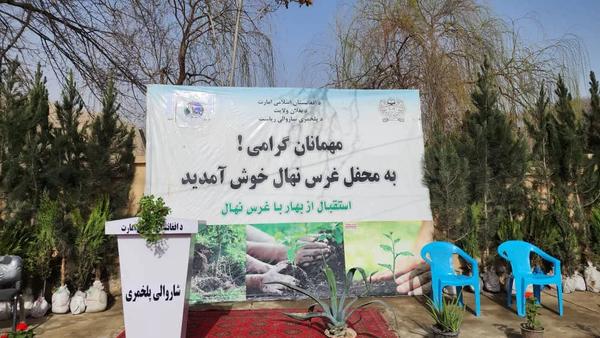
Pul-e Khumri Municipality Launches Campaign to Plant Thousands of Saplings
Pul-e Khumri municipality in Baghlan has begun a campaign to plant about 3,000 saplings in the city's six districts, with officials and residents calling for public involvement in their maintenance.
 Reliable
Nine killed, 35 injured in bus crash on Badghis-Herat highway
Nine people, including women and children, were killed and 35 wounded when a bus overturned on the Badghis-Herat highway due to driver negligence, according to police. The incident occurred Sunday morning in Sabzak, Qala-e-Now.