
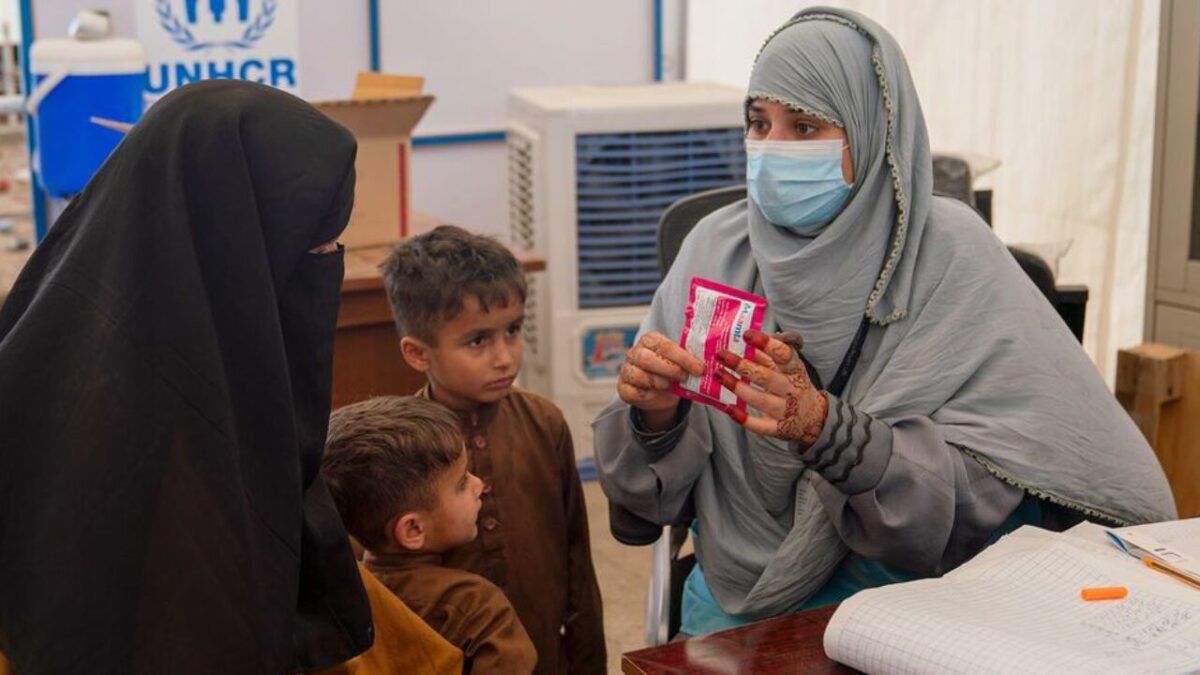
Study Highlights Midwife Shortage and Educational Barriers Threatening Maternal Health in Afghanistan
A new study published by researcher Meysam Najafizadeh indicates that a critical shortage of midwives, combined with restrictions on women’s education, is severely threatening maternal health services across Afghanistan. The research highlights a pronounced divide between urban and rural healthcare access, noting that postnatal care coverage and facility availability remain critically low outside major cities.
According to 2023 data cited in the report, approximately 8,094 midwives are currently active in the country. This results in a health personnel density of 10.3 per 10,000 residents, a figure that falls significantly short of the World Health Organization benchmark of 44.5. While United Nations data shows that maternal mortality has declined from 1,372 deaths per 100,000 live births in 2000 to roughly 521 in recent years, the rate remains classified as high-risk.
International agencies have raised concerns about the long-term impact of current educational policies on the healthcare workforce. A UNICEF analysis referenced in the study warns that ongoing bans on female education could lead to the loss of approximately 5,400 female health workers by 2030, with the shortfall projected to reach nearly 9,600 by 2035. The United Nations Human Rights Office has similarly cautioned that limiting women’s access to schooling disrupts the entire pipeline for training and deploying female medical professionals.
The findings underscore the compounding challenges facing Afghanistan’s public health sector. Despite measurable progress in reducing maternal deaths over the past two decades, experts stress that sustained access to education and targeted recruitment of midwives are essential to maintaining and expanding essential healthcare services nationwide.
Know more about this story?
If you have additional information or believe something is inaccurate, let us know. Your tips help us stay accurate.
Sources (1)
More in Society
Afghanistan’s Forest Cover Increases by 35 Percent Over 15 Years
Islamic Emirate Allocates Residential Plots in Nangarhar for Kunar Earthquake Displaced Families
Afghan Education Activist Matiullah Wesa Awarded 2026 Freedom Prize
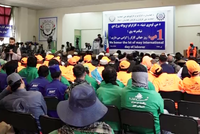
International Workers' Day Marked in Kabul with Calls for Labor Protections and Economic Support
 Reliable
Afghanistan’s Forest Cover Increases by 35 Percent Over 15 Years
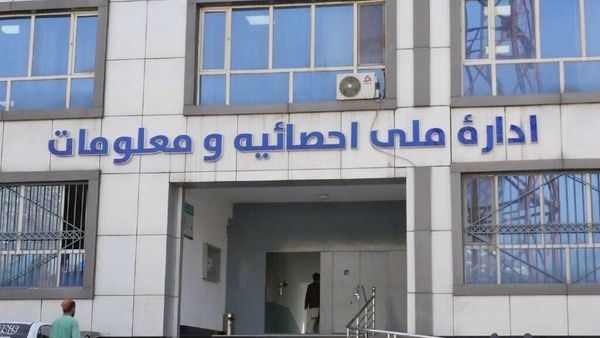
The National Statistics and Information Authority reports that Afghanistan’s forest cover grew by 35 percent over 15 years, reaching 1.6 million hectares, with the largest provincial gains recorded in Paktia, Khost, and Badakhshan.
 Reliable
Islamic Emirate Allocates Residential Plots in Nangarhar for Kunar Earthquake Displaced Families
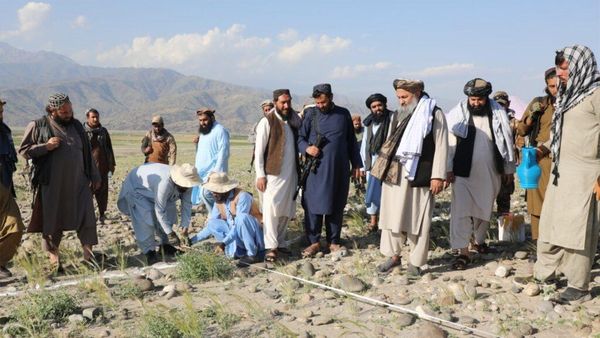
The Ministry of Urban Development and Housing has allocated residential plots for 2,500 earthquake-displaced families from Kunar in a newly built 500-acre township in Nangarhar province. Minister Mawlawi Najib stated the initiative aims to transition affected households from aid reliance to self-sufficiency.
 Reliable
Afghan Education Activist Matiullah Wesa Awarded 2026 Freedom Prize
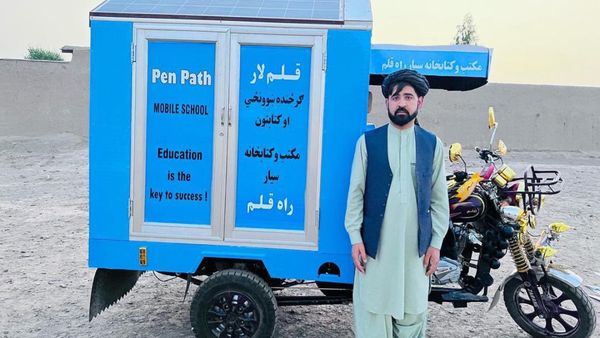
Afghan education activist Matiullah Wesa has won the 2026 Freedom Prize following a global youth vote organized by France’s Normandy region. The award recognizes his work promoting education, particularly for girls, despite previous detention.
 Reliable
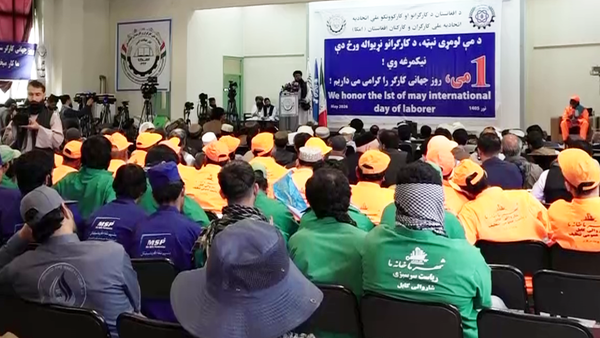
International Workers' Day Marked in Kabul with Calls for Labor Protections and Economic Support
Afghan government officials and union leaders marked International Workers' Day in Kabul, with the Islamic Emirate reaffirming its commitment to labor rights while workers highlighted ongoing challenges regarding wages and job security.