
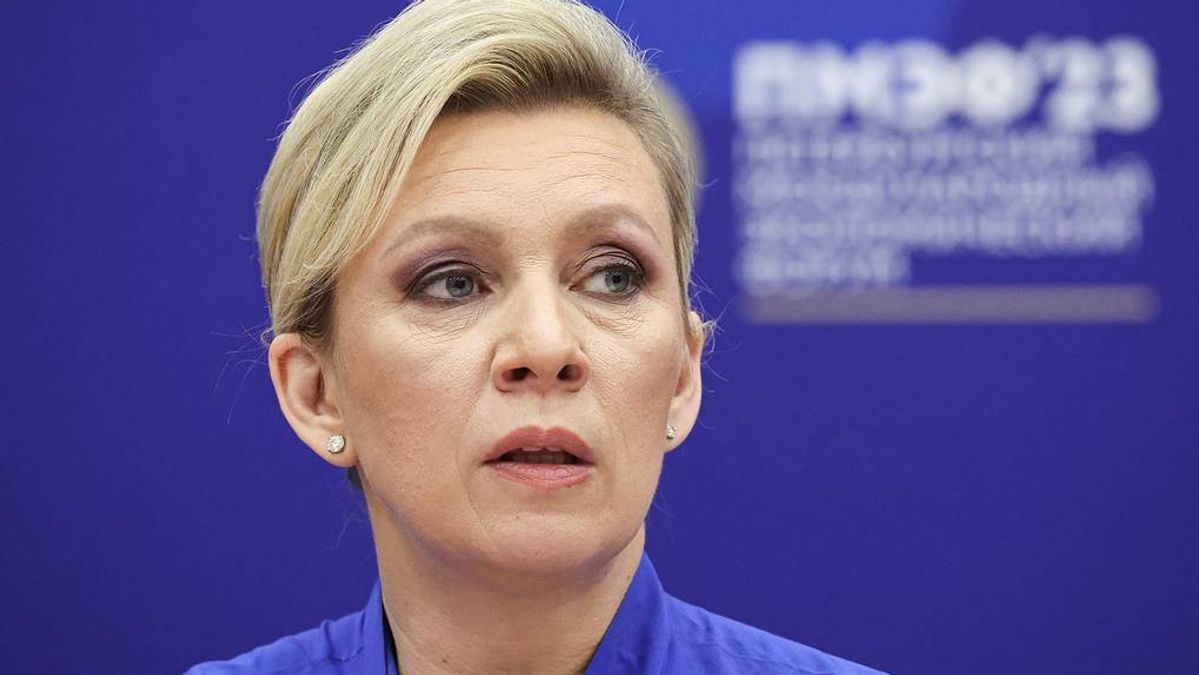
Russia Warns of Rising Threats from Islamic State and al Qaeda
Russia has warned that threats from the Islamic State and al Qaeda are increasing across the region, with the risk of weapons and ammunition spreading from conflict zones to militant groups also growing.
Foreign Ministry spokesperson Maria Zakharova made the remarks while referencing the deadly Crocus City Hall attack near Moscow two years ago. She confirmed that four Tajik nationals convicted over the assault have been sentenced to life in prison.
Zakharova said Moscow supports stronger international counterterrorism coordination under the United Nations. She called for deeper security cooperation with partners in regional organizations including the CSTO, BRICS and the Shanghai Cooperation Organisation.
The spokesperson blamed Western intervention in countries such as Iraq, Libya, Syria and Afghanistan for fueling the rise of militancy and weakening global counterterrorism efforts.
The warning comes as insecurity in Afghanistan remains a major regional concern, with militant threats, border tensions and political isolation continuing to shape the country’s fragile security environment.
Pakistan and the Taliban have been engaged in escalating clashes, with Islamabad accusing Afghan territory of sheltering Tehreek-e-Taliban Pakistan fighters. The Taliban deny the claim and say Pakistan is using Afghanistan to deflect from its own security failures. Pakistan has carried out cross-border strikes in response.
These growing tensions have raised fears that Afghanistan could again become a wider arena for regional militancy, proxy confrontation and cross-border instability. Russia’s statement underscores how Afghanistan’s unresolved security challenges affect the broader region.
Know more about this story?
If you have additional information or believe something is inaccurate, let us know. Your tips help us stay accurate.
Sources (1)
More in Security
UNICEF Distributes Aid to Families Displaced by Border Clashes Between Taliban and Pakistan
Taliban Minister Meets Nuristan Tribal Elders on Road and Public Issues
Families of Kabul Clinic Attack Victims Remain Uncertain About Missing Loved Ones
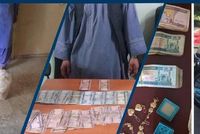
Security Forces Arrest 40 Suspects on Drug Trafficking, Criminal Charges in Four Provinces
 Reliable
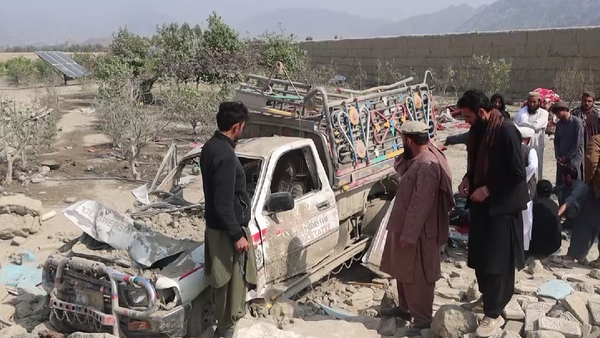
UNICEF Distributes Aid to Families Displaced by Border Clashes Between Taliban and Pakistan
UNICEF is distributing health kits and essential items to 5,500 families displaced by border clashes between the Taliban and Pakistan in Khost, Paktika and Paktia provinces, as the World Food Programme reports around 20,000 families displaced with numerous civilian deaths reported.
 Reliable
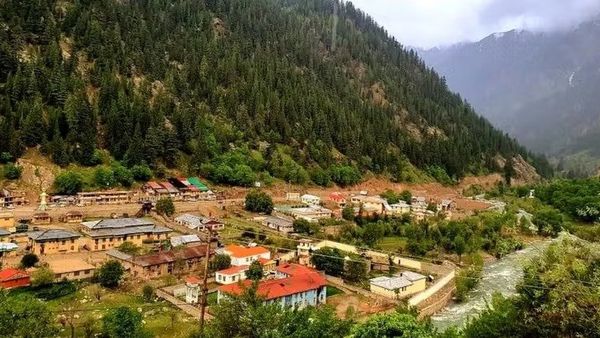
Taliban Minister Meets Nuristan Tribal Elders on Road and Public Issues
Sheikh Mohammad Khalid Hanafi, Minister of Enjoining Good and Forbidding Wrong, met with Nuristan's governor and tribal elders to discuss local problems including road closures. Residents in eastern districts face shortages after nearly a month of closed roads, with officials citing natural causes while others attribute them to Pakistani shelling.
 Reliable
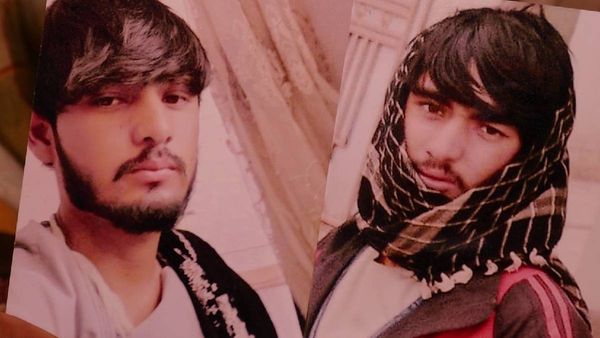
Families of Kabul Clinic Attack Victims Remain Uncertain About Missing Loved Ones
More than ten days after a deadly attack on the Hope Addicts Clinic in Kabul, families of missing victims continue searching hospitals and appealing to Islamic Emirate of Afghanistan officials for help after the collective burial of fifty bodies.
 Reliable
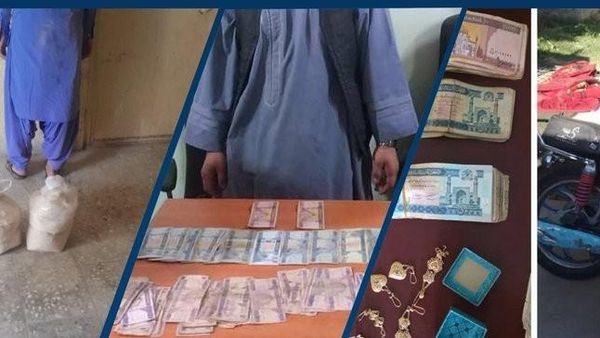
Security Forces Arrest 40 Suspects on Drug Trafficking, Criminal Charges in Four Provinces
Afghan security forces arrested 40 suspects on drug trafficking and other criminal charges in Herat, Ghazni, Khost and Farah provinces, according to the Ministry of Interior. Operations in Herat yielded significant drug seizures, including hashish, opium, methamphetamine and intoxicating tablets.