
Russia Only Country to Recognize Taliban in Afghan Solar Year 1404
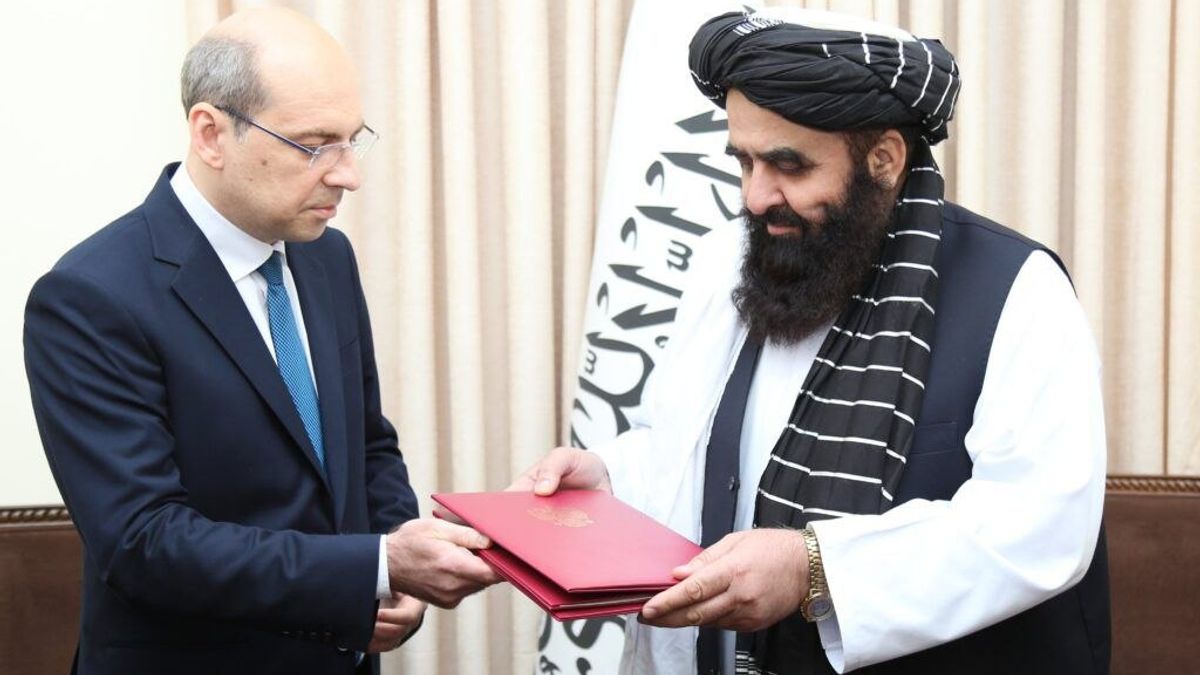
In solar year 1404 of the Hijri Shamsi calendar, Russia became the first and only country to recognize the Taliban, while other nations refrained from doing so.
The Taliban established close relations with India and expanded diplomatic presence in Europe, including Germany. Pakistan, previously a key ally, aligned against the Taliban in enmity. Efforts by Turkey, Saudi Arabia, Qatar, Iran and other regional countries to resolve the dispute failed.
Turkish President Recep Tayyip Erdogan said: "To establish peace and tranquility, and for dialogue and diplomacy to be reactivated, we will mobilize all our capabilities. In this regard, recently with our efforts, it was decided that conflicts between Pakistan and Afghanistan be halted during Eid. At least, we welcome with satisfaction that hands are lifted from triggers between the two brother countries, no bloodshed occurs, and the two brother nations can celebrate Eid in peace."
The United States held talks with the Taliban, mediated by Qatar, resulting in the release of some American hostages. However, Washington did not normalize relations as the Taliban had hoped. The Trump administration criticized countries engaging with the Taliban and listed Afghanistan among nations supporting unfair detentions.
United Nations efforts under the Doha process remained limited to counter-narcotics and the private sector, failing to break Afghanistan's political deadlock.
Reports emerged of internal differences within Taliban leadership, particularly between Hibatullah Akhundzada's circle and the Haqqani network. The Taliban leader emphasized unconditional obedience, with no moves toward internal political legitimacy. No domestic opposition movement formed inside Afghanistan, and external opposition forces remained scattered without influence on internal policymaking.
The international community, including major allies Russia and China, continued to demand an inclusive government, but the Taliban insisted on absolute sovereignty.
Know more about this story?
If you have additional information or believe something is inaccurate, let us know. Your tips help us stay accurate.
Sources (1)
More in Politics
Taliban Faces Governance Challenges Amid Border Closures, Insurgencies and Economic Pressures
Monitoring Report Highlights Use of American Prisoners as Political Pressure
US Official Warns Taliban to Release Four Detained Americans
Islamic Emirate Deputy Prime Minister Assures Support for Returning Refugees During Kabul Camp Visit
 Reliable
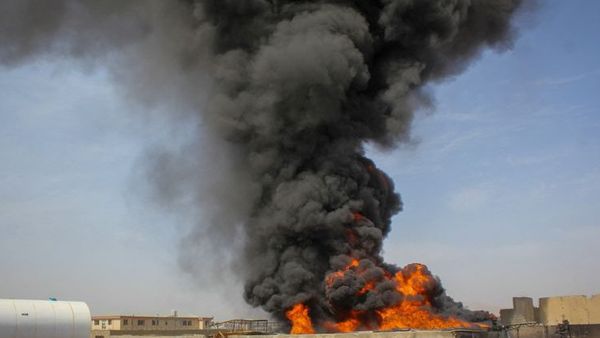
Taliban Faces Governance Challenges Amid Border Closures, Insurgencies and Economic Pressures
The Taliban struggles to govern Afghanistan amid closed Pakistan borders, internal attacks, ISIS-K threats, Middle East tensions and soaring prices, as reported by UN, World Bank and others. Economic deficits and security spending strain resources while civilians bear heavy costs.
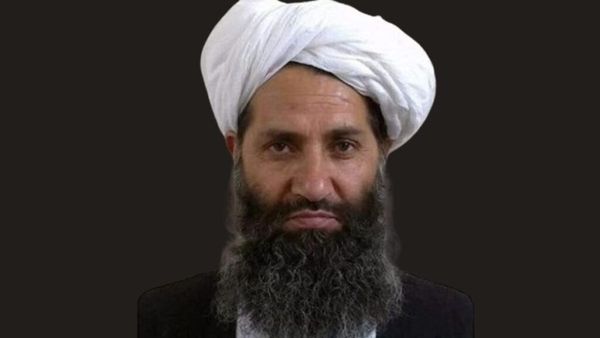
Monitoring Report Highlights Use of American Prisoners as Political Pressure
Ariana News issued a monitoring report highlighting the use of American prisoners as political pressure, alongside recent headlines on Afghani currency gains, Afghanistan-Pakistan tensions and international events including the death of Iran's Ali Khamenei. The report covers economic, regional and global developments as of March 22.
 Reliable
US Official Warns Taliban to Release Four Detained Americans
A top US counterterrorism official warned the Taliban to release four named American detainees, including former aviation chief Mahmoud Habibi, amid reports of serious concern in Taliban leader Hibatullah Akhundzada's office. Informed Kandahar sources said Akhundzada has held consultation meetings over the issue.
 Reliable
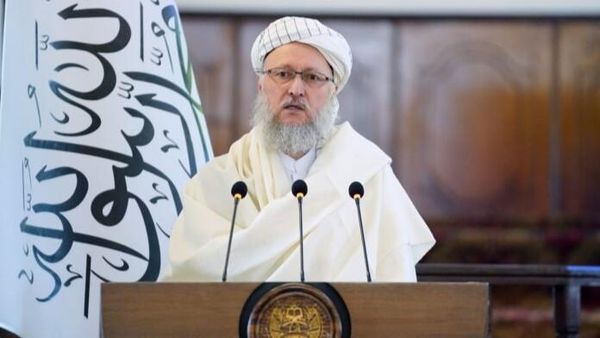
Islamic Emirate Deputy Prime Minister Assures Support for Returning Refugees During Kabul Camp Visit
Mawlawi Abdul Salam Hanafi, Islamic Emirate Deputy Prime Minister for Administrative Affairs, visited Kabul's Capital Terminal refugee camp and pledged support for returnees including shelter, basic services and jobs. He urged officials to prioritize their needs and encouraged refugees to aid the country's development.