
Russia Marks Soviet Withdrawal from Afghanistan More Prominently This Year Amid Ukraine War
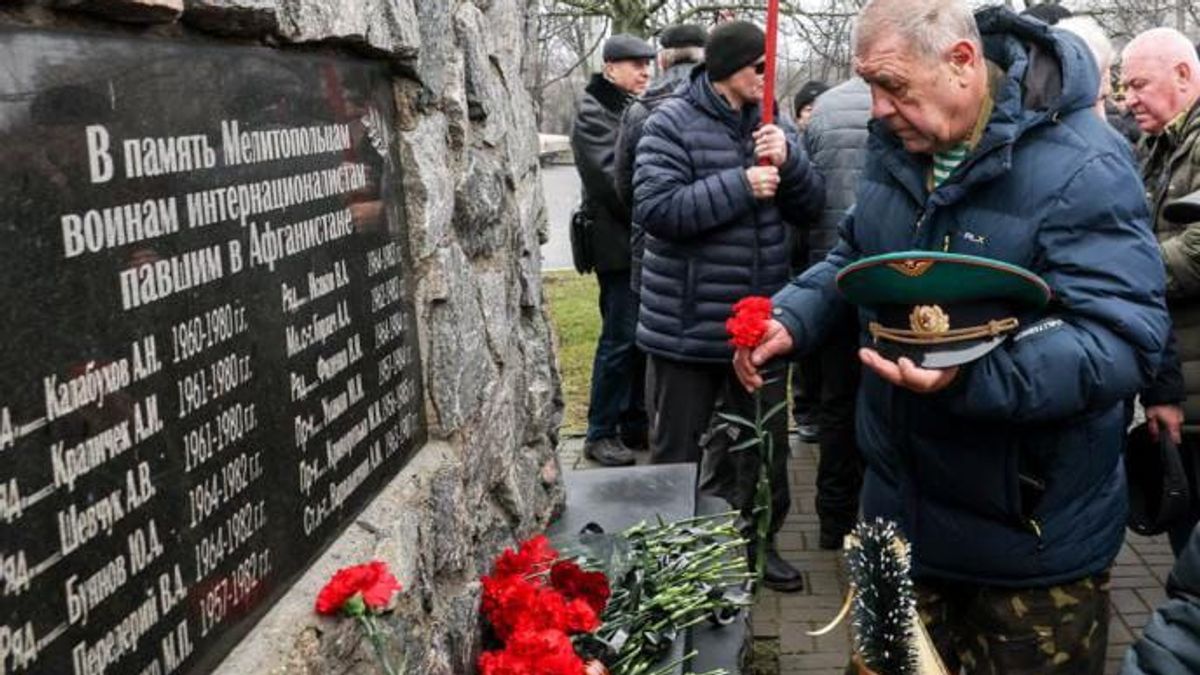
February 15 marks the anniversary of the Soviet Union's withdrawal of troops from Afghanistan in 1989, observed in Russia as the 'Day of Remembrance for Heroic Soldiers Outside Borders.' In past decades, the occasion focused more on honoring the fallen, but this year it received unusual prominence. The analysis attributes this to three main factors: the protracted Ukraine war, heightened confrontation with the West, and redefining the historical narrative of the Afghan war.
First, the Ukraine conflict, ongoing since February 2022, has imposed heavy human and financial costs on Russia. Western and independent estimates place Russian casualties over 300,000, with limited official figures from Moscow. Russia's 2024 budget allocates over 6% of GDP to defense, the highest since the Soviet collapse. Highlighting February 15 symbolically links the current war to a tradition of military sacrifice abroad, portraying soldiers as defenders of national security rather than participants in a costly conflict. Unlike initial expectations of a quick victory in Kyiv, the war has reached a relative stalemate, prompting a shift to narratives of endurance, with the Afghan withdrawal framed as part of Russia's resilient military history.
Second, intensified Western sanctions since the Ukraine invasion target banking, energy, technology, and military sectors. Despite economic resilience through energy exports and Asian markets, long-term costs persist. Moscow frames the current standoff as a continuation of historical rivalry with the West, reinterpreting the Soviet Afghan intervention—not as a failed occupation but as geopolitical competition with the United States, which backed Afghan mujahideen. Parallels are drawn to NATO's support for Ukraine.
Third, following NATO's 2021 withdrawal and the Taliban's return to power, Russian media have depicted it as a failure akin to the Soviet experience, citing complex social and geographic realities in Afghanistan. Russia portrays its 1979-1989 presence as an international duty requested by Kabul's government, contrasting it with NATO's 'interventionist' role. The Soviet war resulted in about 15,000 dead and over 50,000 wounded, contributing to the USSR's internal legitimacy crisis and eventual collapse. This year's emphasis on February 15 serves to rewrite historical memory, moving away from viewing the Afghan war as a strategic mistake.
More in International
G7 Reiterates Support for Ukraine's Sovereignty on Fourth Anniversary of Russia-Ukraine War

White House: Trump's First Option on Iran is Diplomacy
Putin warns enemies of nuclear weapons consequences at FSB meeting
Pakistan and Qatar officials discuss Afghanistan amid rising tensions
 Reliable
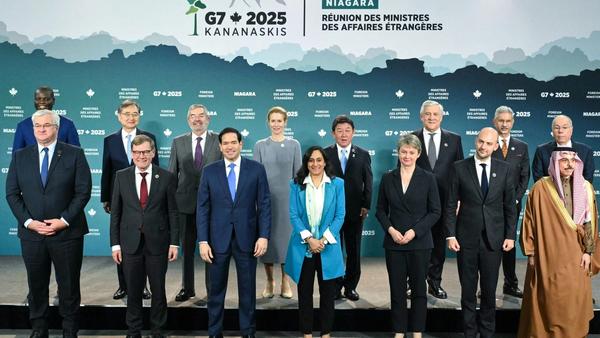
G7 Reiterates Support for Ukraine's Sovereignty on Fourth Anniversary of Russia-Ukraine War
G7 leaders reaffirmed support for Ukraine's sovereignty and territorial integrity on the fourth anniversary of Russia's invasion, urging good-faith peace talks. French President Macron called the war Russia's triple failure and stressed ongoing support.
 Reliable
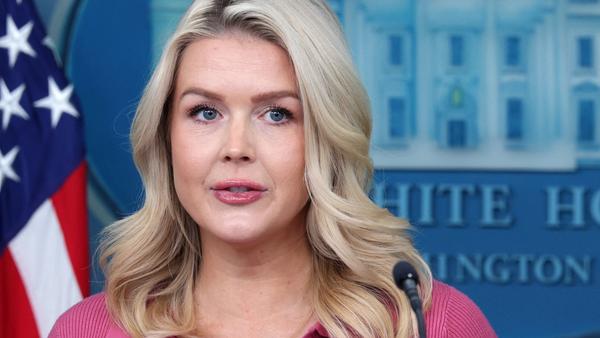
White House: Trump's First Option on Iran is Diplomacy
White House spokesperson Carolyn Leavitt said President Donald Trump's first option for Iran is diplomacy, but he is ready to use U.S. military force if needed. She noted a naval deployment near Iran and Trump's prior warnings on the nuclear program.
 Reliable
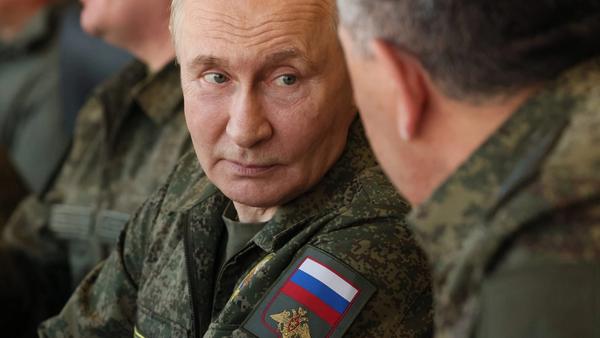
Putin warns enemies of nuclear weapons consequences at FSB meeting
Russian President Vladimir Putin warned at an FSB meeting that enemies know the dire consequences of nuclear weapon use and urged heightened security measures amid threats to peace talks and infrastructure.
 Reliable
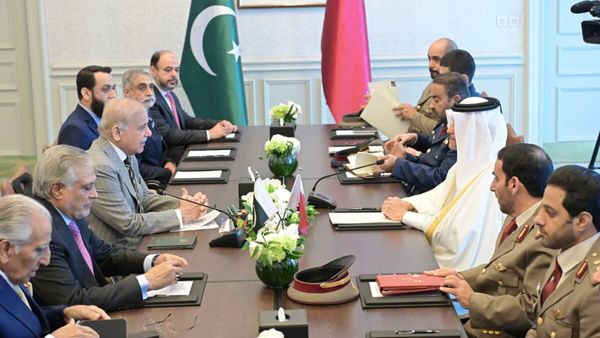
Pakistan and Qatar officials discuss Afghanistan amid rising tensions
Pakistan's Prime Minister Shahbaz Sharif met Qatari officials in Doha to discuss Afghanistan's situation, regional security and economic ties amid Pakistan-Taliban tensions and recent airstrikes.