
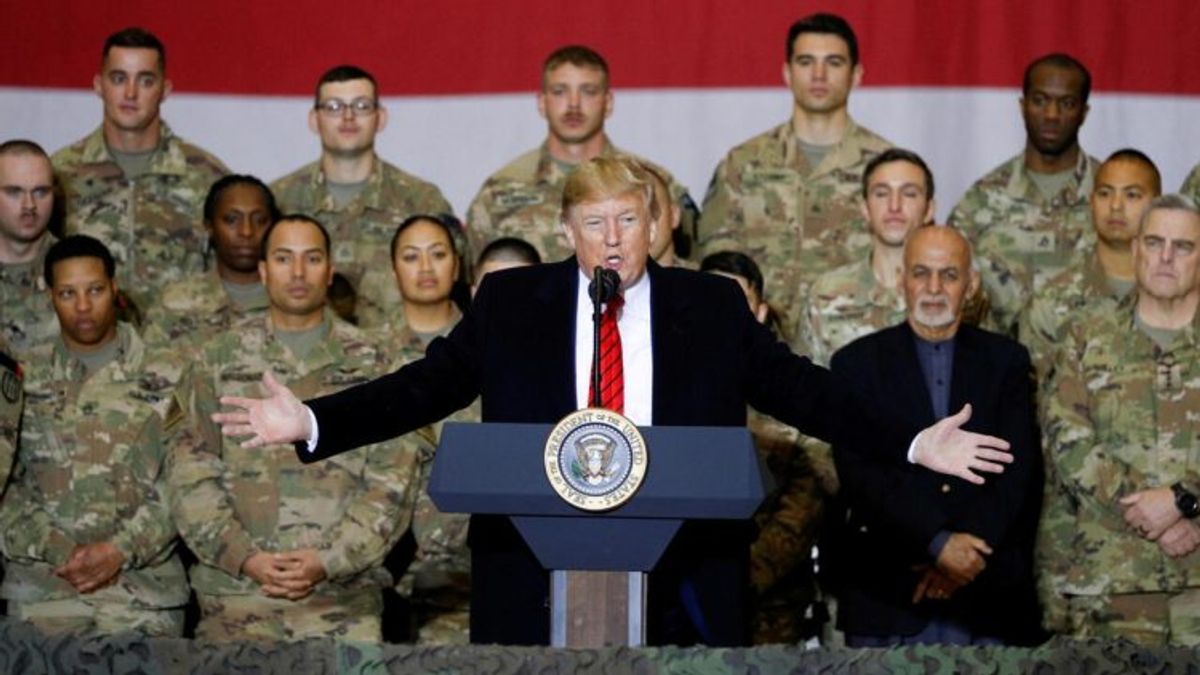
Pompeo Labels Former Afghan President Ghani Among Most Corrupt Leaders
Former U.S. Secretary of State Mike Pompeo has described former Afghan President Ashraf Ghani as one of the most corrupt leaders he has encountered, reigniting public discussion over the governance failures that preceded the country’s political transition in August 2021.
In recent remarks, Pompeo defended the Trump administration’s decision to negotiate directly with the Taliban during the Doha peace process. He stated that Ghani’s administration lacked both the political will and a coherent strategy to address Afghanistan’s ongoing crisis. According to Pompeo, the 2020 Doha agreement effectively sidelined the Afghan government, which contributed to internal tensions and a fragmented approach to security and diplomacy in the months leading up to the collapse of the previous administration.
Ghani has faced persistent allegations of corruption since leaving office, including claims that he departed the country with substantial financial assets. He has consistently denied these accusations. Pompeo’s recent comments have prompted renewed debate across social media platforms regarding the responsibilities of the former government and the long-term impact of the Doha negotiations.
The remarks underscore ongoing international scrutiny of Afghanistan’s political history and the diplomatic strategies employed by foreign governments prior to the 2021 transition. As discussions continue, analysts and former officials remain divided over the extent to which internal governance issues versus external diplomatic decisions influenced the rapid changes in the country’s leadership structure.
Know more about this story?
If you have additional information or believe something is inaccurate, let us know. Your tips help us stay accurate.
Sources (1)
More in Politics
Official Emphasizes Media Role in Documenting Afghanistan's Developmental Progress
Mohaqiq’s Stance on Durand Line Draws Mixed Reactions from Afghan Political Figures
Prime Minister Approves Plan to Regulate Urban Construction and Address Homelessness
Islamic Emirate Directs Agencies to Facilitate Residential Construction
 Reliable
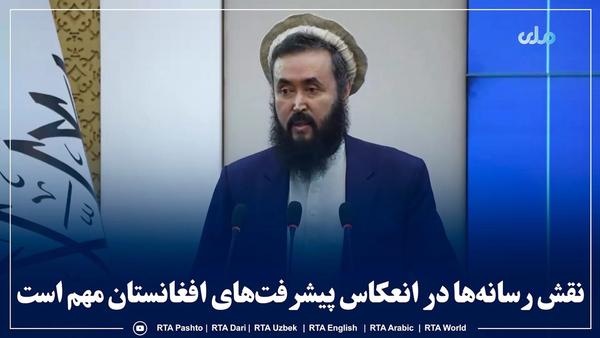
Official Emphasizes Media Role in Documenting Afghanistan's Developmental Progress
Dr. Abdul Latif Nazari highlighted the importance of media coverage in reporting on Afghanistan’s developmental advancements and public service initiatives. He urged journalists to maintain professional standards while documenting national progress.
 Reliable
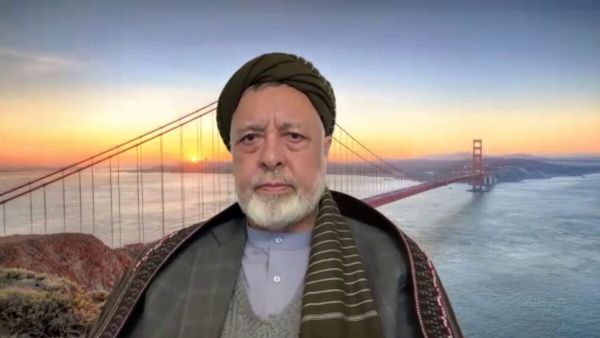
Mohaqiq’s Stance on Durand Line Draws Mixed Reactions from Afghan Political Figures
Mohammad Mohaqiq’s recognition of the Durand Line as Afghanistan’s official border has sparked widespread debate among former officials and commentators, with critics emphasizing the need for national consensus on territorial boundaries.
 Reliable
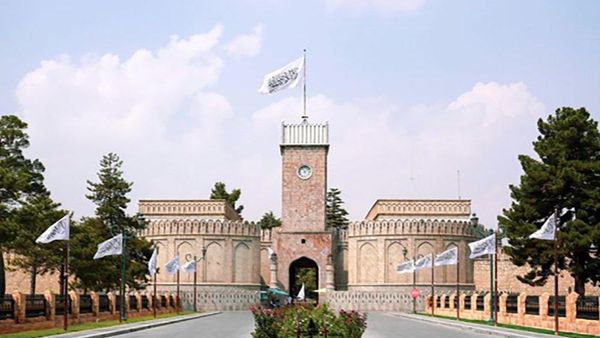
Prime Minister Approves Plan to Regulate Urban Construction and Address Homelessness
Prime Minister Mullah Hassan Akhund has approved a new regulatory framework to address urban homelessness and standardize construction permits, directing municipalities to map government land and limiting police intervention in building projects.
 Reliable
Islamic Emirate Directs Agencies to Facilitate Residential Construction
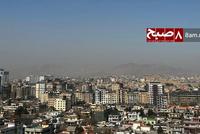
The Prime Minister of the Islamic Emirate has directed government agencies to issue residential construction permits for those with valid land documents in a bid to resolve the housing crisis affecting returnees, while instructing security forces not to interfere and requiring mapping of prohibited areas.