
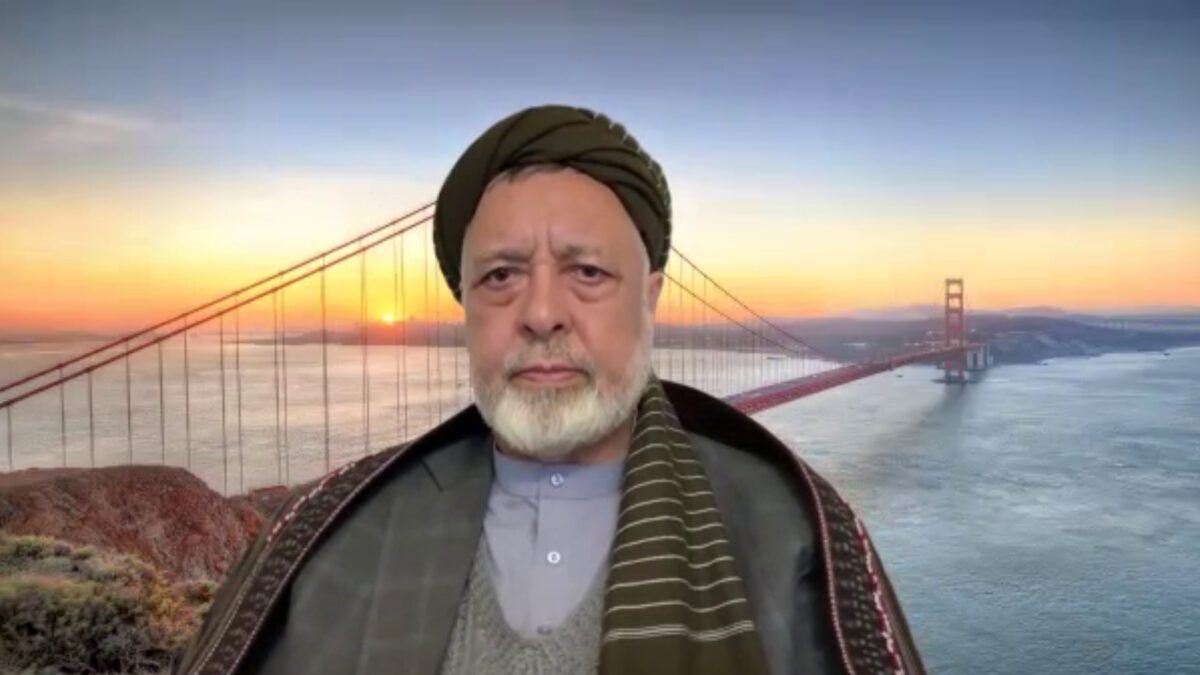
Mohaqiq’s Stance on Durand Line Draws Mixed Reactions from Afghan Political Figures
Mohammad Mohaqiq’s recent remarks regarding the Durand Line have triggered a broad debate among Afghan political figures, former officials, and journalists. During a televised interview, Mohaqiq stated that he recognizes the Durand Line as Afghanistan’s official border, citing United Nations declarations and international legal frameworks. He also suggested that Pakistan might respond favorably to requests for cooperation from groups opposing the Taliban.
The statements drew immediate responses from across the political spectrum. Former officials and public figures emphasized that decisions concerning national boundaries cannot be made unilaterally. Critics, including former minister Omar Daudzai and former military commander Sami Sadat, rejected the unilateral recognition of the border, describing the line as hypothetical and warning that such a stance could undermine national unity and the principle of self-determination.
Despite differing views on how to address the border issue, respondents broadly agreed that any resolution requires a national consensus and formal public deliberation. Some commentators argued that acknowledging the current border aligns with the historical state-building efforts of Amir Abdur Rahman Khan and reflects contemporary international realities. Others maintained that treaties established during periods of foreign intervention should not override popular sovereignty.
The Durand Line remains a deeply sensitive topic in Afghan political discourse. While Mohaqiq framed his position within the context of international law and regional diplomacy, opponents stressed that border determinations must involve collective decision-making processes to preserve national sovereignty and historical continuity.
Know more about this story?
If you have additional information or believe something is inaccurate, let us know. Your tips help us stay accurate.
Where reports agree
- The Durand Line remains a highly sensitive and deeply controversial issue in Afghan political discourse.
- Respondents across the political spectrum agree that decisions regarding national borders cannot be made unilaterally and require broad public consensus or national gatherings.
- There is widespread acknowledgment that the border issue intersects with historical treaties, international law, and Afghan national sovereignty.
Where reports differ
- Mohaqiq advocates accepting the Durand Line based on UN/international frameworks, while figures like Omar Daudzai and Sami Sadat reject unilateral acceptance, labeling the line 'hypothetical' or warning it undermines national unity and self-determination.
- Commentators differ on historical framing: some (Akhlaqi, Mehrdad) argue that accepting the borders is consistent with Abdur Rahman Khan's state-building legacy and avoids new conflicts, whereas others prioritize popular sovereignty and reject treaties imposed during historical great-power rivalries.
More in Politics
Pompeo Labels Former Afghan President Ghani Among Most Corrupt Leaders
Official Emphasizes Media Role in Documenting Afghanistan's Developmental Progress
Prime Minister Approves Plan to Regulate Urban Construction and Address Homelessness
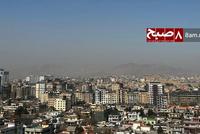
Islamic Emirate Directs Agencies to Facilitate Residential Construction
 Reliable
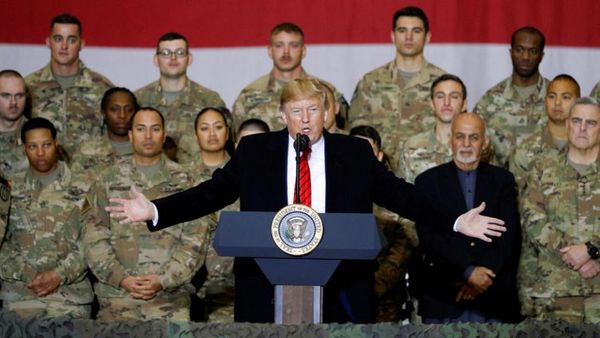
Pompeo Labels Former Afghan President Ghani Among Most Corrupt Leaders
Former U.S. Secretary of State Mike Pompeo has criticized former Afghan President Ashraf Ghani as highly corrupt and blamed his administration’s lack of strategy for the country’s 2021 political collapse, sparking renewed debate over the Doha peace process.
 Reliable
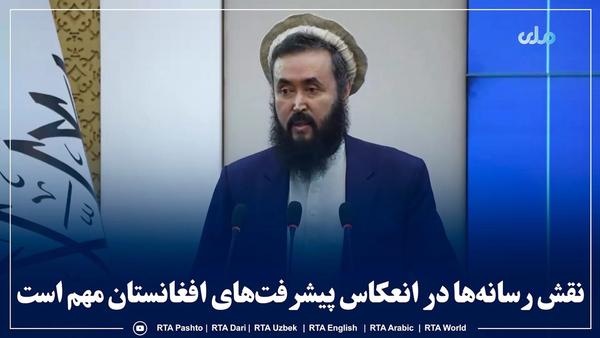
Official Emphasizes Media Role in Documenting Afghanistan's Developmental Progress
Dr. Abdul Latif Nazari highlighted the importance of media coverage in reporting on Afghanistan’s developmental advancements and public service initiatives. He urged journalists to maintain professional standards while documenting national progress.
 Reliable
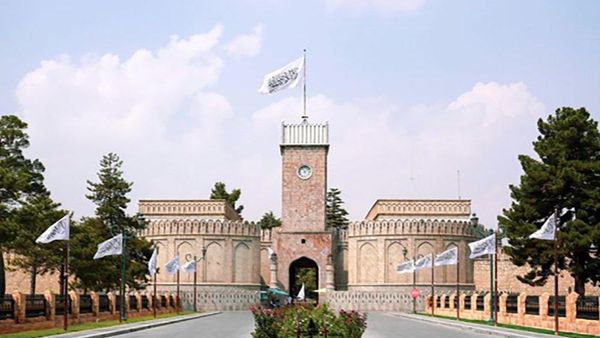
Prime Minister Approves Plan to Regulate Urban Construction and Address Homelessness
Prime Minister Mullah Hassan Akhund has approved a new regulatory framework to address urban homelessness and standardize construction permits, directing municipalities to map government land and limiting police intervention in building projects.
 Reliable
Islamic Emirate Directs Agencies to Facilitate Residential Construction
The Prime Minister of the Islamic Emirate has directed government agencies to issue residential construction permits for those with valid land documents in a bid to resolve the housing crisis affecting returnees, while instructing security forces not to interfere and requiring mapping of prohibited areas.