
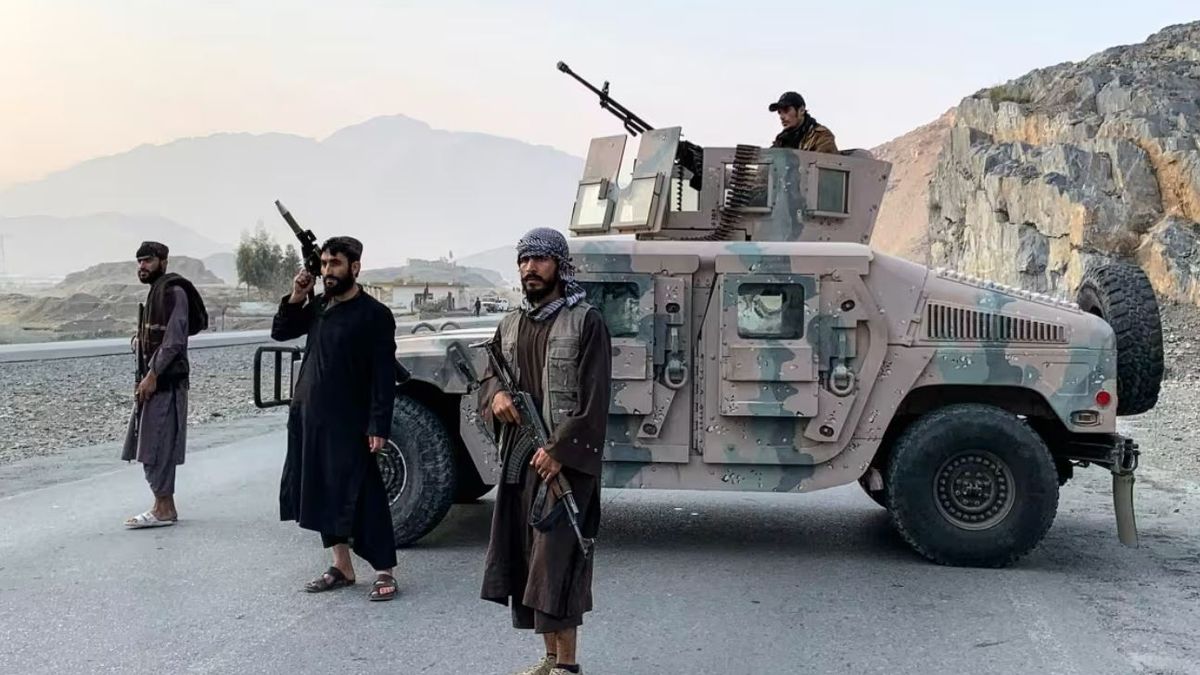
Pakistan's Strained Relations with Afghanistan and Neighbors
Hasht-e Subh describes Pakistan as an artificial state formed from territories detached from India and Afghanistan, leading to ongoing territorial disputes with both neighbors. Afghanistan opposed Pakistan's United Nations membership at its inception, viewing it as a continuation of British divide-and-rule policies in the region.
The analysis highlights persistent tensions due to Afghanistan's non-recognition of the Durand Line as its official border and India's rejection of Kashmir's separation. These frictions have hindered lasting stability in South Asia, with both Pakistan and Afghanistan seeking opportunities to undermine each other. Pakistan is said to have consistently supported opponents of Afghan governments, aiming to prevent the emergence of a strong central authority in Afghanistan.
Over the past four decades, events in Afghanistan enabled greater Pakistani influence, with both mujahideen groups and the Taliban serving as instruments for Pakistan's strategic objectives. The Taliban, in particular, are portrayed as having reversed Afghanistan's progress through rulings from Pakistani clerics. However, current challenges persist even under Taliban rule, as the group has fragmented into factions, complicating Islamabad's control. Parts of the Taliban are reportedly aligned with Pakistan's rivals, including countries seeking to use Afghan territory against Pakistan or to access Central Asia via instability channeled through Pakistan.
Pakistan is characterized as inherently destabilizing, lacking stable friendly ties with neighbors: overt enmity with India, support for Baloch separatists alongside alignment with U.S. and Israeli ventures against Iran, and ambitions viewing Afghanistan as 'strategic depth.' Relations with China are described as ostensibly close but involving duplicity. Specifically on Afghanistan-Pakistan ties, the piece argues that unlike the Taliban's first rule, the group now operates beyond Pakistan's plans, gravitating toward strategic interests of Russia, Iran, and India—nations with grievances against Pakistan.
These countries are said to position Afghanistan as a security belt, using the Taliban as a security firm to entangle Pakistan in Afghan geography, neutralizing its adventurism. Recent Taliban-Pakistan tensions are framed as outcomes of intricate intelligence operations designed to mire Pakistan in an Afghan quagmire. Pakistan and Western allies, including Britain, are aware and have sought to retain control over the Taliban. The analysis notes a large Pashtun population on the Afghan side of the border.
More in Politics
Amrullah Saleh's Green Trend claims Pakistan pursuing multi-faceted policy against Taliban, consulting opponents on post-Taliban arrangements
Administrative Commission Meeting Held Under Deputy PM Hanafi
Supreme Council of National Resistance Condemns Attack on Karamuddin Razazadeh in Iran
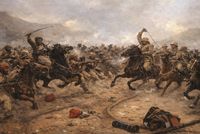
The Big Lie: Promises of Freedom in Afghan History
 Developing
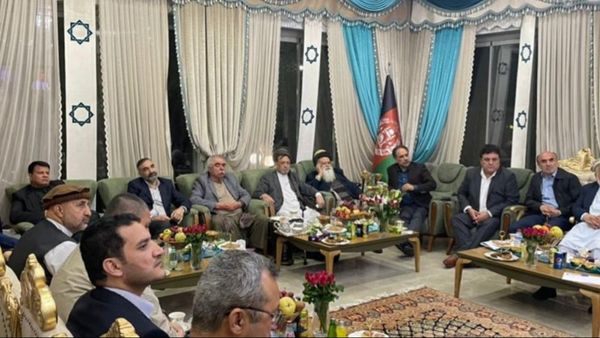
Amrullah Saleh's Green Trend claims Pakistan pursuing multi-faceted policy against Taliban, consulting opponents on post-Taliban arrangements
Amrullah Saleh's Green Trend movement claims Pakistan is advancing a multi-pronged strategy against the Taliban, including consultations with opponents on post-Taliban governance and conditioning border trade on security conditions.
 Reliable
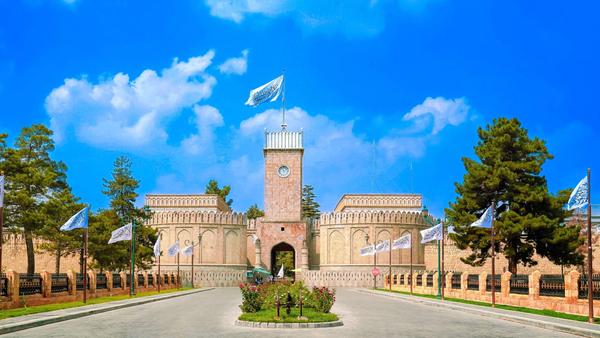
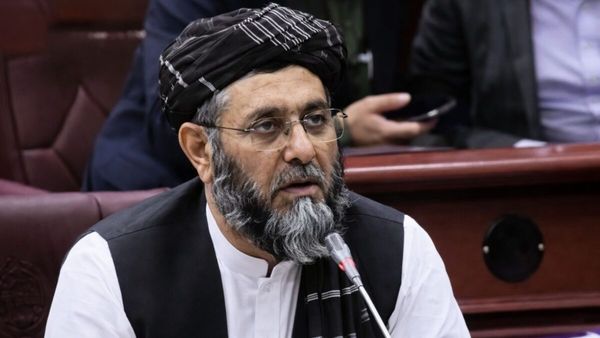
Administrative Commission Meeting Held Under Deputy PM Hanafi
Mullah Abdul Salam Hanafi chaired an Administrative Commission meeting, where committees reported on activities and discussions focused on the Ministries of Interior and Education, with tasks assigned for further agenda items.
 Reliable
Supreme Council of National Resistance Condemns Attack on Karamuddin Razazadeh in Iran
The Supreme Council of National Resistance for the Salvation of Afghanistan condemned a shooting attack on former MP Karamuddin Razazadeh in Iran's Karaj, calling it a terrorist act and urging better security for Afghan exiles. The incident highlights ongoing concerns over attacks on anti-Taliban figures in Iran amid Tehran's ties to the Taliban.
 Unverified
The Big Lie: Promises of Freedom in Afghan History
Hasht-e Subh's article 'The Big Lie' posits that assurances of freedom in Afghan history, from Abdul Rahman Khan to the 2021 republic collapse, concealed external control rather than enabling true sovereignty.