
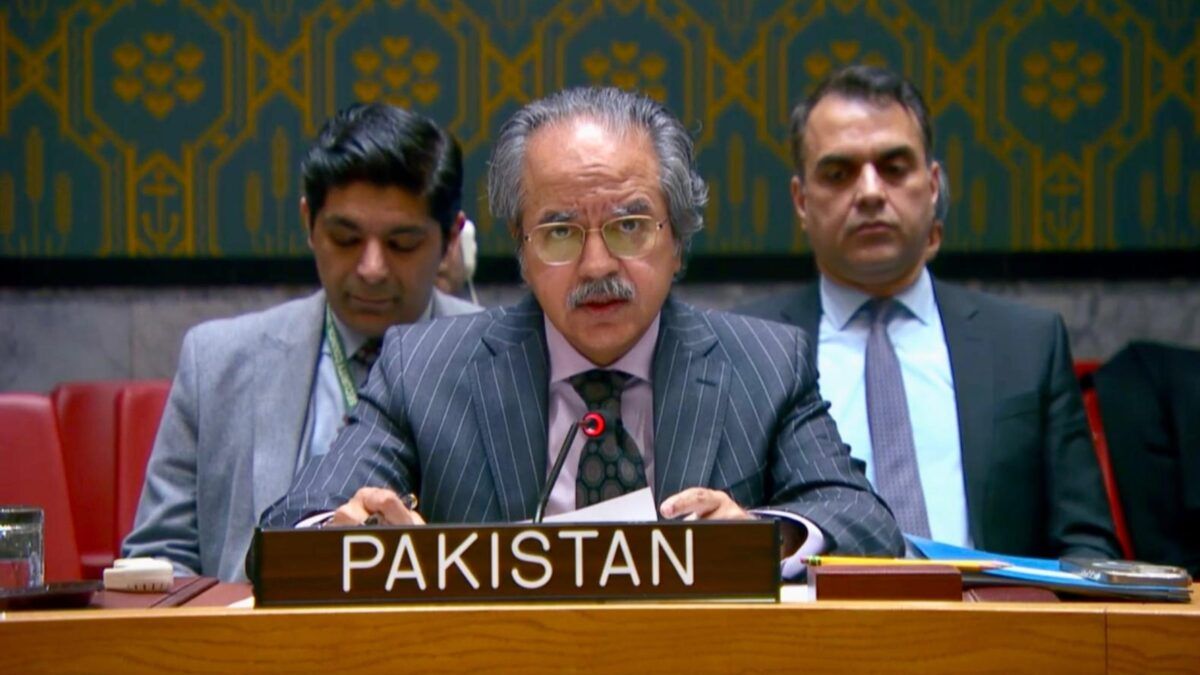
Pakistan UN Envoy Urges Taliban to Choose Peace Over Isolation After Sanctions Monitoring Team Extension
Asim Iftikhar Ahmad, Pakistan's permanent representative to the United Nations, stated that the Taliban must decide between a path of isolation or one of peace and prosperity for Afghanistan.
Ahmad welcomed the UN Security Council's extension of the mandate of the 1988 Taliban Sanctions Monitoring Team, describing it as a "clear and unambiguous message" to the Taliban that Afghanistan should not be used to threaten or attack any country. He expressed hope that the team would continue its determined efforts to report preventively and support the Taliban Sanctions Committee in line with its UN Security Council mandate. The council extended the team's mission last week through a unanimous resolution (15-0 in favor), with the draft prepared by the United States.
The Afghanistan Sanctions Committee, established in June 2011 by Resolution 1988, monitors UN sanctions including asset freezes, travel bans, and an arms embargo against Taliban-related individuals and entities.
Taliban spokesperson Zabiullah Mujahid described the policy of "pressure and sanctions" as "unsuccessful" in an interview with Radio Hurriyat, a Taliban-affiliated outlet, calling for a review of Western countries' approach and stating that such measures do not help solve problems.
China, Russia, and Pakistan welcomed the extension, emphasizing the need to counter terrorism. U.S. Deputy Permanent Representative Temy Bruce called Taliban tactics "repugnant," accusing them of using detainees as leverage in negotiations, including demanding the release of an al-Qaida member from Guantanamo Bay in exchange for American citizens. Bruce said the Taliban must end all forms of hostage-taking and arbitrary detentions, adding that the 1988 sanctions regime and monitoring team remain vital tools to hold the Taliban accountable.
China's Permanent Representative Fu Cong urged the Taliban to decisively combat ISIS and al-Qaida to prevent Afghanistan from becoming a regional security threat, noting counter-terrorism as the primary goal of the 1988 sanctions regime.
Russia's Deputy Permanent Representative Anna Ostignyeva welcomed the resolution's focus on ISIS and other terrorist groups but warned that excessive emphasis on human rights over terrorism and drug trafficking could undermine effective sanctions implementation.
More in International

Norwegian Police Release Identity of Slain Afghan in Bergen at Wife's Request
Pakistan conditions engagement with Taliban on action against militants
Taliban spokesperson: If US attacks Iran, we will cooperate with Tehran
US Secretary of State Rubio: America Cannot Impose Ukraine Deal on Anyone
 Reliable
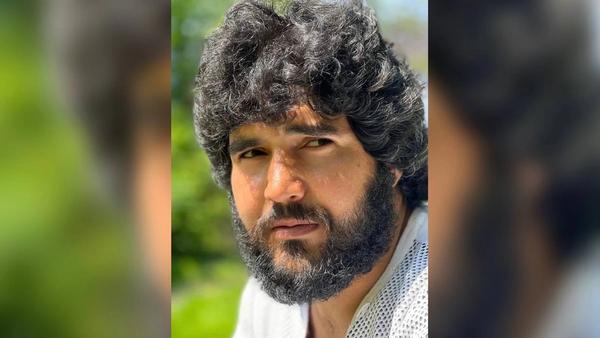
Norwegian Police Release Identity of Slain Afghan in Bergen at Wife's Request
Norwegian authorities released the identity of Mohammad Taariq Waziri, a 28-year-old Afghan killed in a targeted attack in Bergen, with another Afghan man arrested and charged with murder. Police highlighted the victim's past military role in Afghanistan amid ongoing investigations.
 Reliable
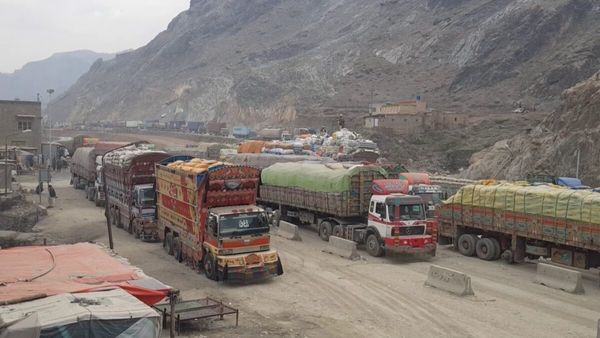
Pakistan conditions engagement with Taliban on action against militants
Pakistan's Commerce Minister Jam Kamal Khan said engagement with the Taliban depends on action against militants in Afghanistan, amid ongoing trade suspension impacting both economies.
 Reliable
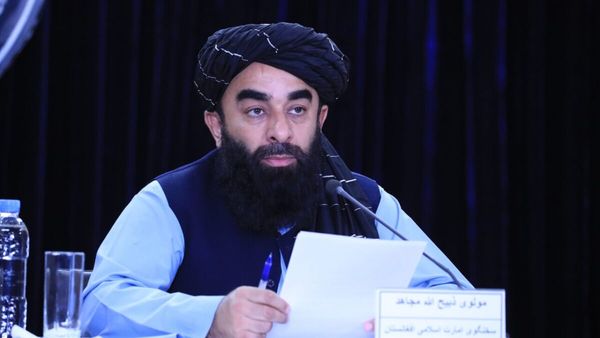
Taliban spokesperson: If US attacks Iran, we will cooperate with Tehran
Taliban spokesperson Zabihullah Mujahid said the group would cooperate with Iran if the US attacks, amid warming ties highlighted by Iranian officials. Experts doubt the Taliban's ability to help, as assassinations of former Afghan military in Iran continue.
 Unconfirmed
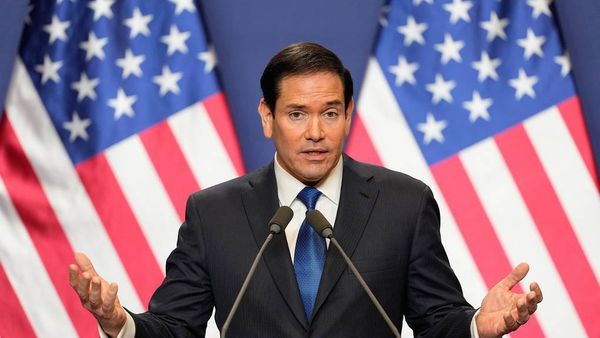
US Secretary of State Rubio: America Cannot Impose Ukraine Deal on Anyone
US Secretary of State Marco Rubio said Washington cannot force a Ukraine deal on anyone and is only helping the parties, while committing to pursue a diplomatic agreement with Iran despite challenges.