
Nearly 80% of Kabul Residents Rely on Wells Amid Worsening Water Crisis: UNAMA
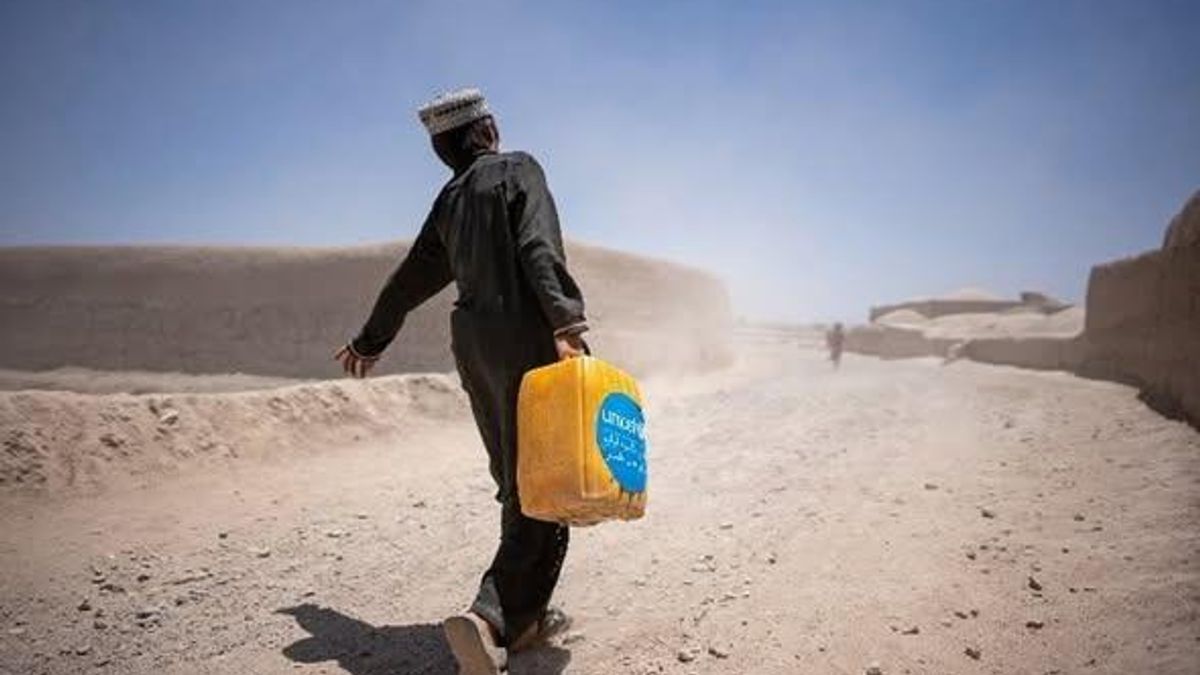
KABUL (Afghan Verified) -- The United Nations Assistance Mission in Afghanistan (UNAMA) says nearly 80 percent of Kabul residents rely on wells for their daily water needs, but almost half of these wells have dried up as groundwater levels decline yearly.
In a statement marking World Water Day on March 22, UNAMA highlighted Kabul's growing water crisis amid severe drought affecting much of the country. The mission noted that access to safe water has become difficult and costly, with some households spending up to 30 percent of their monthly income on water. Women and children often stand in queues for hours or travel long distances to fetch it, a problem that was once confined to the city's outskirts but now affects the entire population.
UNAMA attributed the crisis to climate change, prolonged drought, rapid and unplanned urban growth, and poor water management, pushing the situation to a critical point. "World Water Day is a reminder that access to safe water is a fundamental human right, yet for many Kabul residents, accessing this right is becoming harder each day," the statement said.
The United Nations Children's Fund (UNICEF) head in Afghanistan said 2.1 million people in the country gained access to safe water last year.
Separately, an economic commission approved plans to identify new revenue opportunities expected to add around 60 billion afghanis to the national budget in the long term. The meeting also endorsed a project to transfer water from Panjshir to Kabul to address the city's shortages.
Know more about this story?
If you have additional information or believe something is inaccurate, let us know. Your tips help us stay accurate.
Where reports agree
- UNAMA states nearly 80% of Kabul residents rely on wells, with half dried up and declining groundwater
- UNAMA attributes Kabul water crisis to drought, climate change, urban growth, poor management
- Households spend up to 30% income on water; women/children face long queues/distances
- UNICEF: 2.1 million gained safe water access last year
- Approval of Panjshir-Kabul water project and new revenue plans
More in Society
World Food Programme Warns Middle East Tensions Could Worsen Hunger in Afghanistan
Afghanistan National Football Team to Host Myanmar Match in Myanmar
UN-Habitat: Unequal Access to Housing Deprives Many Afghans of Clean Water
National Disaster Management Authority Signs 137 Agreements Worth $53.4 Million
 Reliable
World Food Programme Warns Middle East Tensions Could Worsen Hunger in Afghanistan
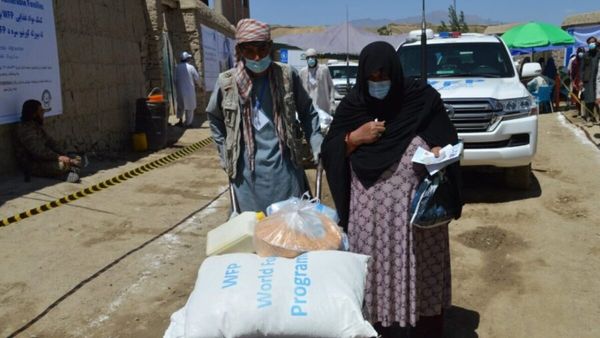
The World Food Programme warns that food transport disruptions from Middle East tensions, including ship rerouting due to insecurity in key sea lanes, could worsen hunger in Afghanistan where one-third of the population relies on aid. About 70,000 tons of food are stuck, alternative routes have raised costs, and experts fear a broader crisis if issues persist until June.
 Reliable
Afghanistan National Football Team to Host Myanmar Match in Myanmar
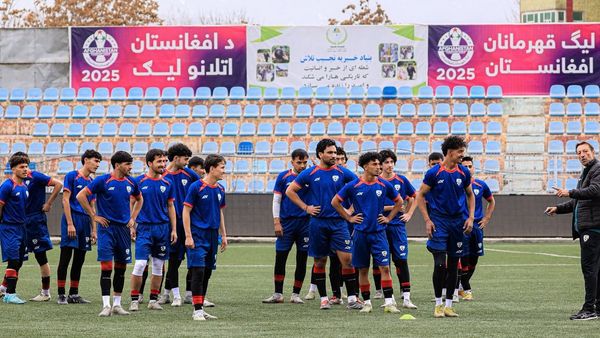
Afghanistan's national football team will host its home match against Myanmar in Myanmar itself, marking the third straight home game abroad after previous ones in Saudi Arabia and Kuwait. Syria has already qualified from the group with 12 points.
UN-Habitat: Unequal Access to Housing Deprives Many Afghans of Clean Water
UN-Habitat announced that unequal access to housing, land, and basic services in Afghanistan has left many without clean water and health facilities, framing these as human rights issues. The organization referenced UNICEF and UNESCO reports on the impacts of water-fetching burdens on children, women, and girls' education and employment.
 Reliable
National Disaster Management Authority Signs 137 Agreements Worth $53.4 Million
Afghanistan's National Disaster Management Authority signed 137 agreements worth $53,413,770 with national and international institutions in solar year 1404. The pacts focus on disaster preparedness, emergency aid, and support for affected people.