

NATO Allies Reject U.S. Plan to Blockade Strait of Hormuz
NATO member countries, including Britain and France, have rejected a U.S. plan to blockade the Strait of Hormuz, calling instead for diplomatic solutions and a potential multinational mission to secure safe passage for commercial ships.
U.S. President Donald Trump announced that the United States intends to block maritime traffic to and from Iranian ports after failed talks with Iran. U.S. officials clarified that the proposed blockade would target only ships bound to or from Iranian ports, sparing other strait traffic.
British Prime Minister Keir Starmer stated that the United Kingdom will not support the blockade, despite pressure from Washington. French President Emmanuel Macron announced that France and Britain will convene a conference to organize a multinational defensive mission aimed at restoring navigation freedom in the strait.
Diplomatic sources said the proposed mission could involve around 30 countries, including European nations, Gulf states and India, focused on escorting commercial vessels without direct conflict involvement.
NATO Secretary General Mark Rutte indicated that the alliance could participate if an agreement is reached, with some member countries requiring guarantees for a ceasefire and enhanced ship security.
Iran has restricted access to the Strait of Hormuz since late February, when regional conflict escalated.
Know more about this story?
If you have additional information or believe something is inaccurate, let us know. Your tips help us stay accurate.
Sources (1)
More in International
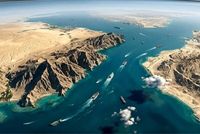
U.S.-Sanctioned Chinese Oil Tanker Passes Through Strait of Hormuz Despite Naval Blockade

NATO Allies Decline to Join US Naval Blockade of Iranian Ports
China Condemns U.S. Naval Blockade of Iranian Ports as 'Dangerous, Irresponsible'

Kremlin Spokesman: Russia Ready to Accept Iran's Enriched Uranium in Potential US Deal
 Reliable
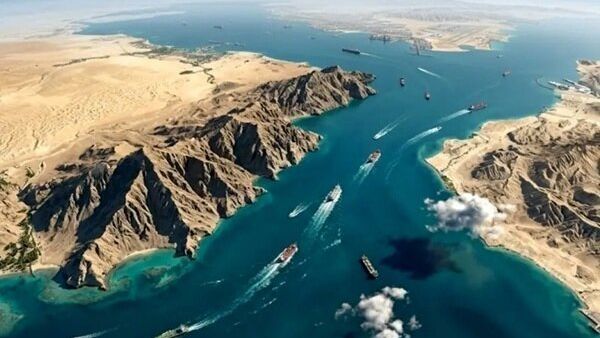
U.S.-Sanctioned Chinese Oil Tanker Passes Through Strait of Hormuz Despite Naval Blockade
A Chinese oil tanker sanctioned by the U.S. for alleged ties to Iran passed through the Strait of Hormuz despite a U.S. naval blockade, the first such exit from the Gulf since the blockade began. A second sanctioned tanker is heading toward the strait.
 Reliable
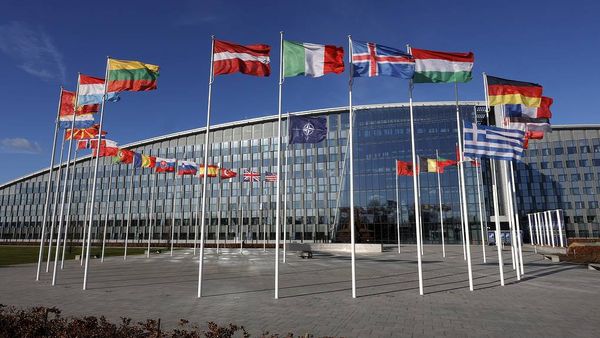
NATO Allies Decline to Join US Naval Blockade of Iranian Ports
The US has launched a naval blockade on Iranian ports amid regional tensions, with President Trump threatening Iranian vessels. NATO allies including the UK and France have declined to join, while proposing post-conflict security plans for the Strait of Hormuz.
 Reliable
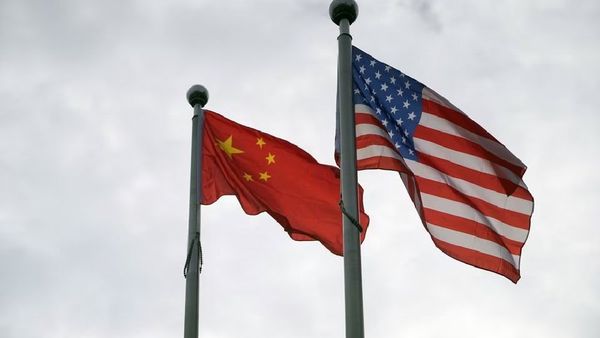
China Condemns U.S. Naval Blockade of Iranian Ports as 'Dangerous, Irresponsible'
China's foreign ministry condemned the U.S. naval blockade of Iranian ports as "dangerous and irresponsible," warning of risks to regional stability and navigation through the Strait of Hormuz. The remarks follow a Chinese-linked tanker passing the strait despite sanctions, amid calls for diplomacy and President Xi Jinping's four-point peace plan.
 Reliable
Kremlin Spokesman: Russia Ready to Accept Iran's Enriched Uranium in Potential US Deal
Kremlin spokesman Dmitry Peskov said Russia is ready to accept Iran's enriched uranium as part of a potential US agreement, an idea previously floated by President Vladimir Putin. Peskov criticized US threats of a Strait of Hormuz blockade, while Vice President JD Vance outlined Washington's goals to curb Iran's nuclear program.