
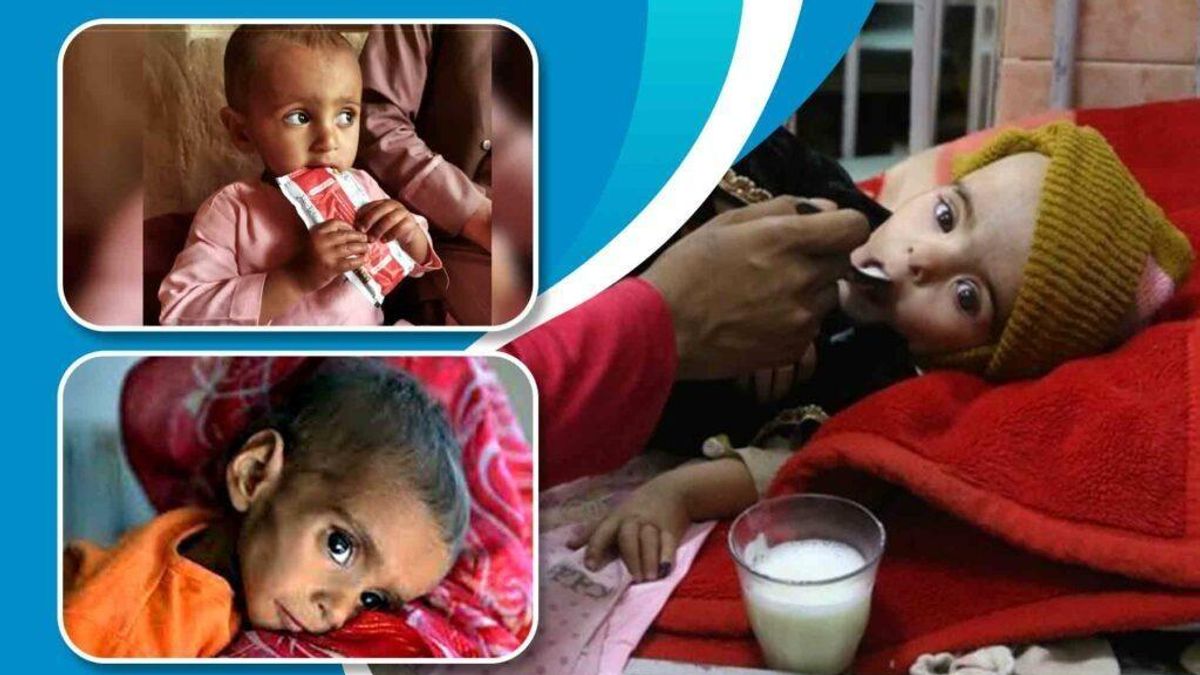
Mothers in Kabul call for expansion of malnutrition treatment services
KABUL (Pajhwok) -- Several mothers of malnourished children in Kabul have welcomed services at health centers treating malnutrition but called for their expansion amid ongoing economic hardships.
Golchehreh, mother of three malnourished children whose husband works as a day laborer, said her family often eats only dry bread with sweet tea or nothing at all. She praised the weekly nutritional supplements provided at a distribution center, noting her child has gained strength since starting treatment.
Afsaneh Naqibi, a Kabul resident, took her daughter to a malnutrition treatment center in Khairkhana after noticing weight loss at daycare. Over six visits, the girl received Arnutif supplements, weight and height checks, and maternal advice, leading to improvement. Naqibi commended the services and urged the Ministry of Public Health to expand them.
Khajeste from Taymani said her four-year-old daughter's weight rose from 11 kg to 14.5 kg after six months of treatment at a clinic. She called on the Islamic Emirate to pay more attention to malnourished children and broaden programs.
Zarmineh from Kart-e Now, suffering from anemia after surgeries for her three children, complained of poor diet during pregnancy due to economic woes. She also demanded more centers for women and children.
Prof. Dr. Mohammad Aref Hassanzai, head of internal medicine at Kabul's Indira Gandhi Child Health Institute, explained malnutrition occurs from imbalanced intake of food, energy, proteins, vitamins, and minerals, leading to health disruptions. Symptoms in children include severe weight loss, stunted growth, edema, lethargy, hair loss, skin issues, and pallor. Types include wasting (skin and bones), edema-related obesity, and mixed severe wasting with limb swelling.
Dr. Sharaf Zaman, Ministry of Public Health spokesperson, told Pajhwok that early 2025 estimates from foreign agencies put malnourished children and pregnant women at 3.7 million, but by year's end, nearly 3 million were treated at 3,200 health sites nationwide.
Know more about this story?
If you have additional information or believe something is inaccurate, let us know. Your tips help us stay accurate.
Sources (1)
More in Society
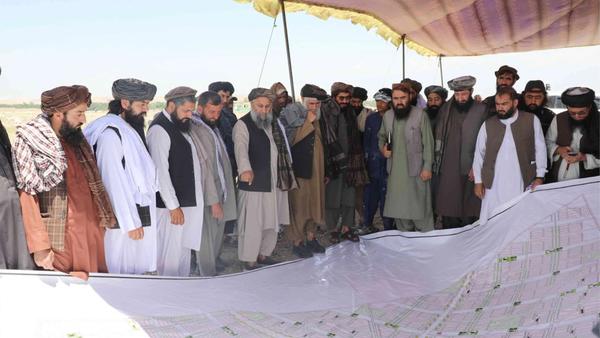
Housing Settlement Inaugurated for Returnees on 18,000 Jeribs in Nangarhar
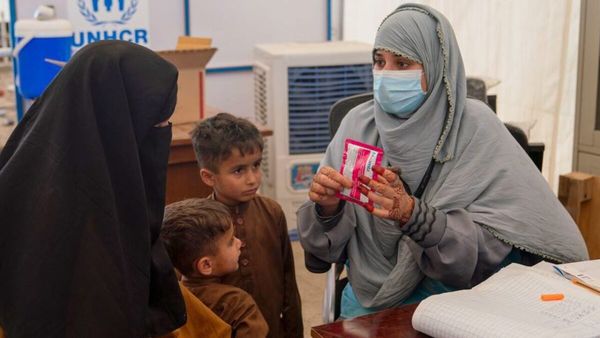
Study Highlights Midwife Shortage and Educational Barriers Threatening Maternal Health in Afghanistan

Guide on University Major Selection and Academic Enrollment Procedures Published
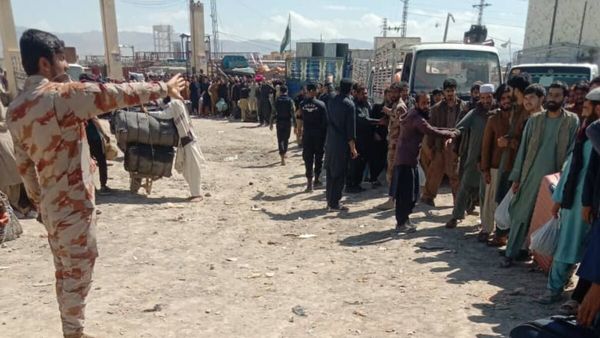
UN Agencies Report Surge in Afghan Migrant Returns from Pakistan and Iran
 Reliable
Housing Settlement Inaugurated for Returnees on 18,000 Jeribs in Nangarhar
The Ministry of Urban Development and Housing has inaugurated a residential settlement on 18,000 jeribs of land in Nangarhar province for returning Afghan families. Minister Mawlawi Najibullah Hayat Haqqani emphasized the government's priority on fair land distribution and called on neighboring states to uphold humanitarian and Islamic principles in handling returnees.
 Reliable
Study Highlights Midwife Shortage and Educational Barriers Threatening Maternal Health in Afghanistan
A new study warns that midwife shortages and restrictions on women’s education are threatening maternal health services in Afghanistan, with UN agencies projecting a loss of thousands of female health workers by 2035. Despite a decline in maternal mortality since 2000, rural healthcare access remains critically low.
 Unverified
Guide on University Major Selection and Academic Enrollment Procedures Published
Radio Television Afghanistan published an informational guide intended to assist students with selecting university majors and navigating academic enrollment, though the full text was not accessible for review.
 Reliable
UN Agencies Report Surge in Afghan Migrant Returns from Pakistan and Iran
UN agencies report that over 55,000 Afghans were deported from Pakistan in early 2026, followed by a surge of more than 127,000 returns from Pakistan and Iran in late April. The rapid influx has placed significant pressure on border facilities in eastern and southern Afghanistan.