
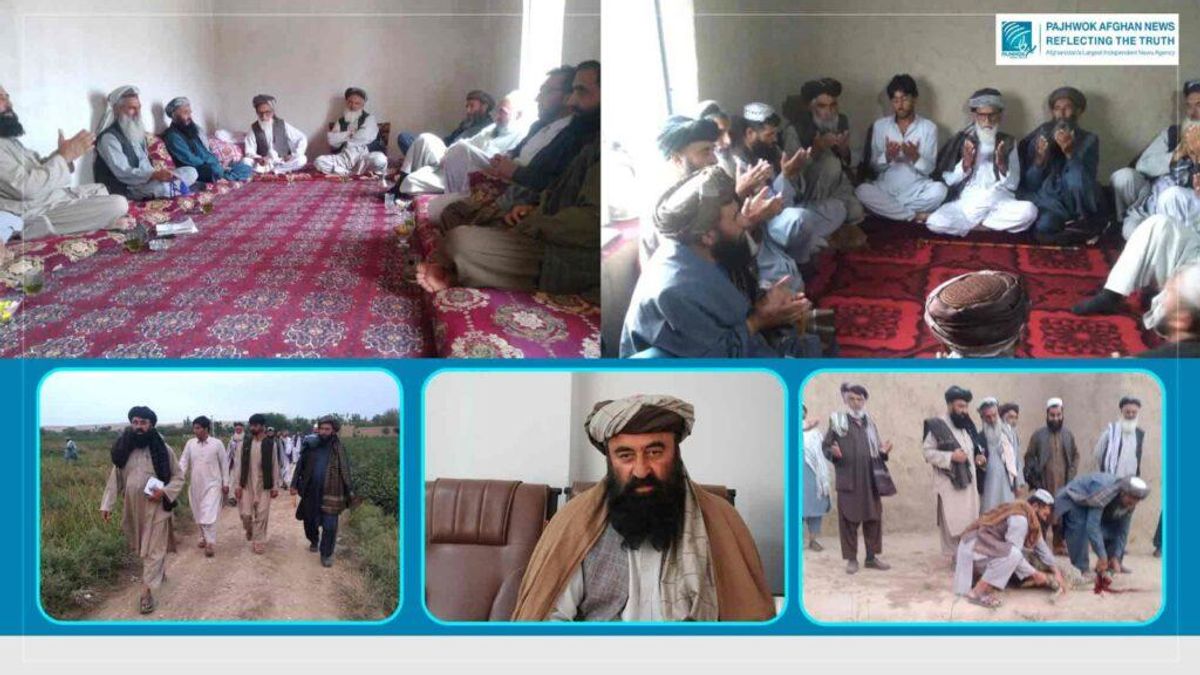
Jawzjan tribal elder resolves 115 disputes through jirgas over 13 years
SHIBERGHAN, Afghanistan (Afghan Verified) - Abdulkhaliq Haqyar, a 52-year-old tribal elder from Jagdalak village in Shiberghan city, Jawzjan province, has resolved around 115 disputes through jirgas over nearly 13 years, relying on Islamic principles and local trust.
Haqyar, who completed education up to the 12th grade as a refugee in Pakistan and received religious education in madrasas, has worked for about 10 years through the Directorate of Tribes and Ethnic Affairs under both the previous and current systems. He serves as a mediator between communities, military, civil and criminal courts to resolve misunderstandings and disputes.
Haqyar emphasized that a true leader must possess justice, truthfulness and honesty, resolving matters within the framework of Islamic law, including the Qur’an, Hadith, consensus (ijma) and analogy (qiyas). He noted that Afghans respect Islamic values above local traditions and customs.
Comparing jirgas to formal courts, Haqyar said court processes rely on documentation and procedures, which can be lengthy and exhausting, especially for those lacking financial or psychological resources. "People often do not have the financial or psychological ability to continue such processes; therefore, we try to resolve problems through jirga, gain the satisfaction of both parties and create lasting peace," he said.
Haqyar described the trust of Jawzjan residents as his greatest asset and stressed that his service transcends ethnic or linguistic boundaries. "My service does not consider language or ethnicity. Whoever has a problem, I try to solve it. This is my human duty," he added.
He identified prejudice as a major challenge, urging jirgas, religious scholars, mosque imams and community members to address conflicts, even among brothers. Haqyar also highlighted the media's role in raising awareness and noted increased confidence in jirgas under the current system compared to the past.
Know more about this story?
If you have additional information or believe something is inaccurate, let us know. Your tips help us stay accurate.
Sources (1)
More in Society
Eid al-Fitr Prayers Held in Mosques and Eidgahs Across Afghanistan's Provinces
World Happiness Report Ranks Afghanistan as Unhappiest Country
Taliban Enforce Early Eid al-Fitr Prayers in Multiple Provinces
Afghan Traffic Police Urge Drivers to Follow Rules During Eid-ul-Fitr Holidays
 Reliable
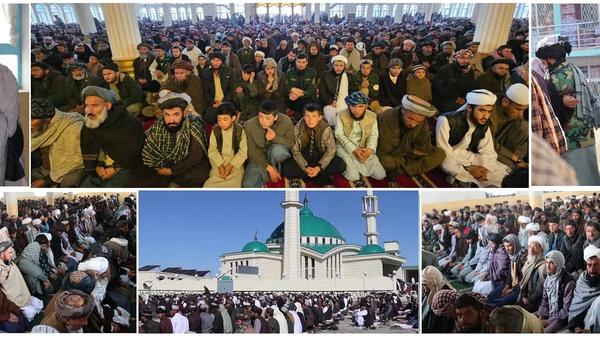
Eid al-Fitr Prayers Held in Mosques and Eidgahs Across Afghanistan's Provinces
Eid al-Fitr prayers took place across Afghan provinces, attended by officials, scholars and locals who heard the Islamic Emirate leader's message and condemned recent Pakistani attacks on Afghan territory. Enhanced security measures were in effect nationwide.
 Reliable
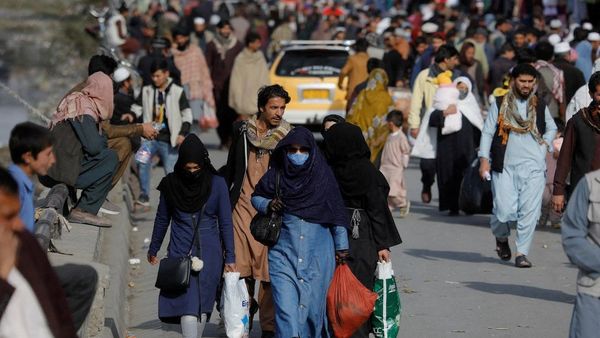
World Happiness Report Ranks Afghanistan as Unhappiest Country
The World Happiness Report has ranked Afghanistan as the unhappiest country, with the lowest positive emotions, high negative emotions and Afghan women averaging 1.2/10 life satisfaction. Finland leads with 7.7/10, while no other nation scored below 3/10.
 Reliable
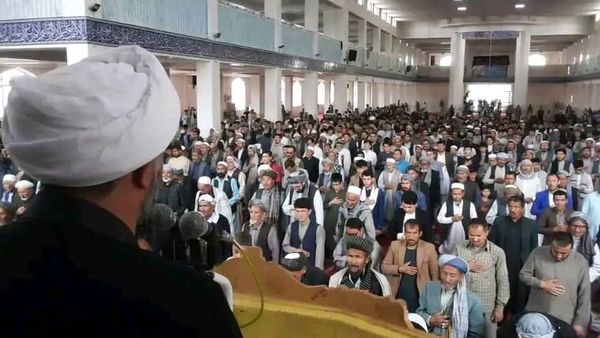
Taliban Enforce Early Eid al-Fitr Prayers in Multiple Provinces
The Taliban declared Eid al-Fitr on Thursday, earlier than most Islamic countries including Saudi Arabia, and forced residents in Daykundi, Takhar, Badakhshan and Herat provinces to perform prayers despite plans to observe it on Friday. Local sources reported coercion including forcing funeral attendees to break their fast and complaints over restricted mosque access.
 Reliable
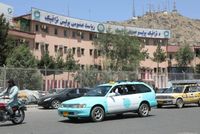
Afghan Traffic Police Urge Drivers to Follow Rules During Eid-ul-Fitr Holidays
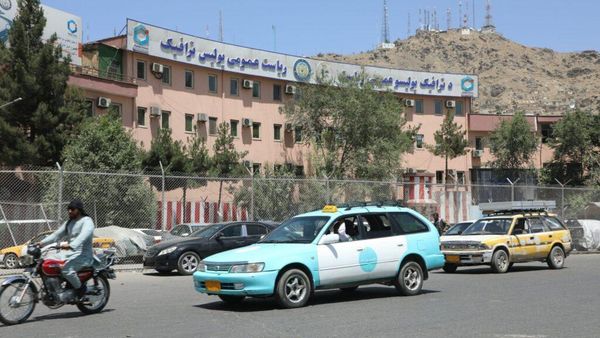
Afghanistan's General Directorate of Traffic Police has urged drivers to strictly follow traffic rules during Eid-ul-Fitr holidays to prevent accidents amid increased travel. Spokesman Fazl Hadi Hamidi cited last year's 80 accidents that killed 30 and injured 155, warning against speeding and letting children drive.