
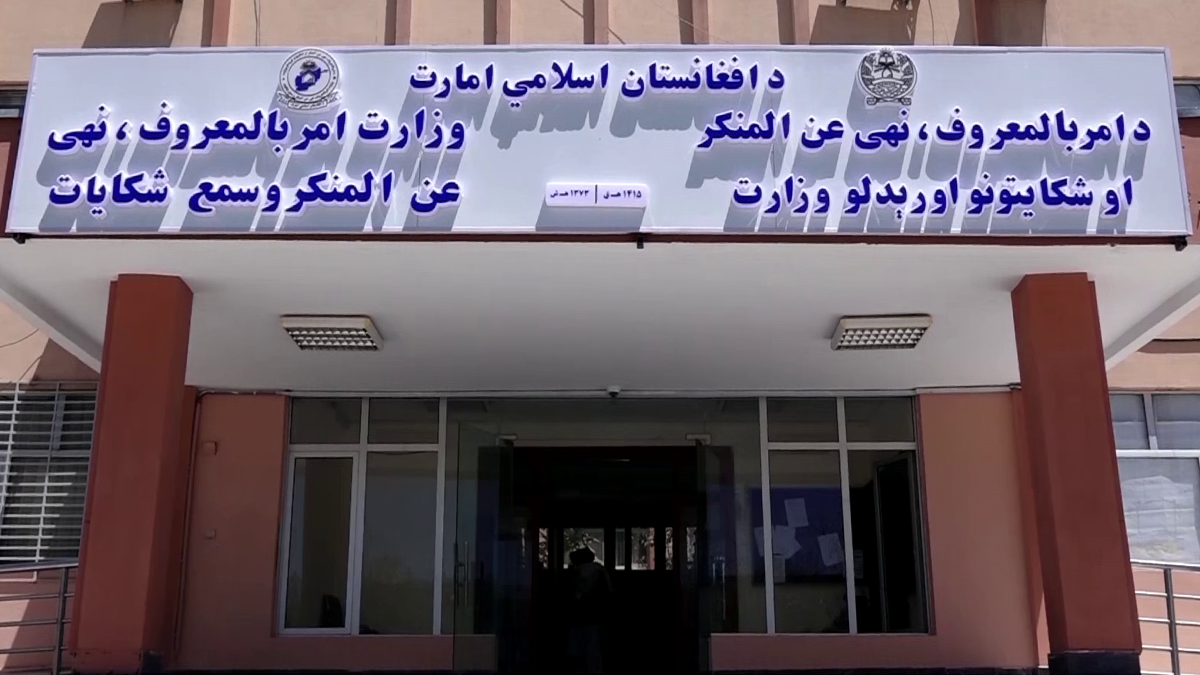
Islamic Emirate Ministry Resolves 42 Women's Cases
The Ministry of Promotion of Virtue and Prevention of Vice of the Islamic Emirate of Afghanistan has announced that it has resolved 42 cases related to women from early in the month of Hamal 1405 up until the 29th of the month.
This achievement is being presented as evidence that efforts to address women's cases in the country are reaching their intended goals. Saif al-Islam Khyber, who serves as the spokesperson for the Ministry of Promotion of Virtue and Prevention of Vice, shared the statistics. Khyber indicated that the majority of the 42 resolved cases were about forced marriages. Additionally, the ministry has been active in resolving other types of cases, such as those involving inheritance, mahr, nafaqa, and family violence against women. Muhtasebs have played a key role in managing these various issues that affect women and families.
In a related announcement, the Supreme Court of the Islamic Emirate of Afghanistan has revealed that it has handled 790 cases concerning women's rights during the previous six Hijri months. The court noted that the primary focus of these cases has been on matters of inheritance and property.
These figures from the Supreme Court add to the picture of how various institutions under the Islamic Emirate of Afghanistan are dealing with issues important to women. Religious scholar Hissamullah Hanafi has spoken about the need for more preventive measures. Hanafi has urged the establishment of awareness programs that would be delivered through mosques, various media platforms, and by scholars. The purpose of these programs would be to help stop forced marriages from occurring and to make sure that the population is educated regarding the basic rights of women.
The scholar's recommendations are aimed at reducing the number of such cases in the future by increasing knowledge and understanding among the people. Overall, the resolution of these numerous cases by both the ministry and the supreme court is being seen as a positive development in the handling of women's issues within the Islamic Emirate of Afghanistan.
Know more about this story?
If you have additional information or believe something is inaccurate, let us know. Your tips help us stay accurate.
Sources (1)
More in Society

Public Health Minister Emphasizes Self-Sufficiency and Improvement of Health Services
WHO Reports 21 Polio Cases in Afghanistan in 2025

National Statistics and Information Authority Extends Non-Presence Services for Expatriate Afghans by One Month
Three Early Flood Warning Systems Installed in Kandahar
 Reliable
Public Health Minister Emphasizes Self-Sufficiency and Improvement of Health Services
Noor Jalal Jalali, Minister of Public Health of the Islamic Emirate of Afghanistan, criticized budget mismanagement in provincial hospitals and called for self-sufficiency during a four-day meeting in Kabul with UNICEF and WHO. The event also addressed past achievements, current challenges and polio eradication efforts, with global cases reported at 56 in 2025, mostly in Afghanistan and Pakistan.
 Reliable
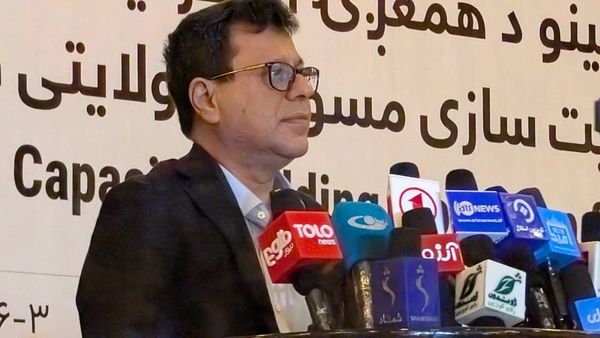
WHO Reports 21 Polio Cases in Afghanistan in 2025
The WHO's representative in Afghanistan, Dr. Khushhal Zaman, has reported 21 polio cases in the country for 2025, along with 56 cases across Afghanistan and Pakistan the previous year. He called for sustained joint efforts to vaccinate children in the southern and southwestern regions to eradicate the disease.
 Reliable
National Statistics and Information Authority Extends Non-Presence Services for Expatriate Afghans by One Month
The National Statistics and Information Authority has announced that non-presence services for paper identity cards for expatriate Afghans will continue for one more month, after which official verification through Afghan embassies and consulates will be required.
 Reliable
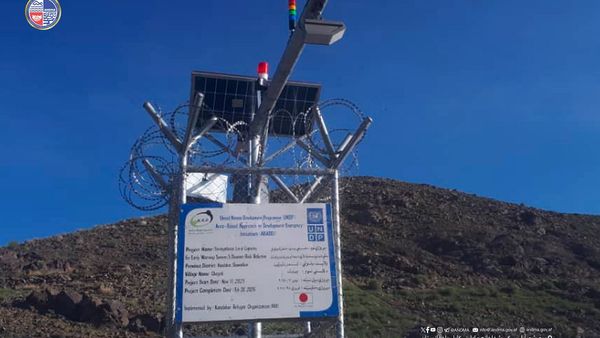
Three Early Flood Warning Systems Installed in Kandahar
The Disaster Preparedness Department in Kandahar Province, supported by the KRO Institute, installed three early flood warning systems in Spin Boldak and Shawalikot Payin districts. Five individuals were trained to operate the systems, which monitor water levels and speed before activating sirens to alert residents and reduce flood risks.