
Iran's Parliament Speaker Warns Strait of Hormuz Will Not Remain Open if US Blockade Continues
Iran's Parliament Speaker Mohammad Bagher Qalibaf has warned that the Strait of Hormuz will not remain open if the United States continues its maritime blockade of Iranian ports.
In statements on X, Qalibaf said passage through the strait would require Iran's permission and must follow designated routes approved by Tehran. He dismissed recent statements by US President Donald Trump as lies that will not succeed in war or negotiations.
Trump stated that the Strait of Hormuz is completely open. He added that the US naval blockade will remain in place until a final agreement is reached with Iran. Trump also said he would not extend a ceasefire without a deal by Wednesday.
The two sides hold conflicting positions on Iran's enriched uranium. Trump has claimed it would be jointly removed, but Iranian officials including the Foreign Ministry have stated it will not leave national control.
Know more about this story?
If you have additional information or believe something is inaccurate, let us know. Your tips help us stay accurate.
Where reports agree
- Iran's Parliament Speaker Mohammad Bagher Qalibaf/Ghalibaf publicly stated on X that continued US blockade could lead to restrictions on the Strait of Hormuz, which Iran will control via designated routes and permission
- Qalibaf described US statements as lies or false claims that will not lead to success in conflict or negotiations
- Donald Trump asserted that the Strait of Hormuz remains open but the US blockade of Iranian ports will continue until a full agreement is finalized
- Iranian officials have rejected US positions regarding the transfer or extraction of enriched uranium, insisting it remains under Iranian control
Where reports differ
- Amu TV reports Qalibaf saying the strait 'will not remain open'; Khaama Press phrases it as Iran 'could restrict access' or 'may close' if the blockade continues
- Khaama Press reports Trump setting a specific Wednesday deadline for a deal/ceasefire extension; Amu TV does not mention any deadline
- Khaama Press includes extensive additional context on global energy impacts, broader regional conflicts (Israel-Lebanon), Pakistan-mediated talks, and analyst views on escalation risks; Amu TV focuses primarily on the direct quotes and statements without this background
- Amu TV references a prior statement from Iran's Foreign Ministry spokesperson on uranium; Khaama Press attributes the rejection more generally to Iranian officials
More in International

US Extends Exemption for Countries to Purchase Russian Oil Until May 16
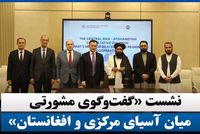
Consultative Dialogue Between Central Asia and Afghanistan Held
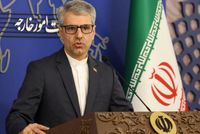
Iran Rejects Trump's Claims on Enriched Uranium Transfer

First Major Convoy Transits Strait of Hormuz Since US-Israel War Against Iran Began
 Reliable
US Extends Exemption for Countries to Purchase Russian Oil Until May 16
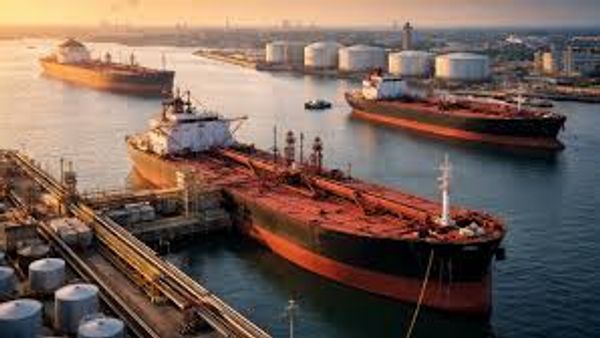
The US Treasury Department has extended an exemption for countries to purchase sanctioned Russian oil until May 16 to increase global oil supply amid disruptions from the war against Iran.
 Reliable
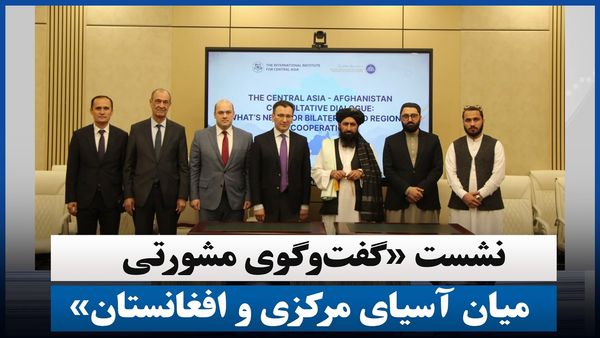
Consultative Dialogue Between Central Asia and Afghanistan Held
A session titled "Consultative Dialogue between Central Asia and Afghanistan" was held to facilitate engagement between the regions.
 Reliable
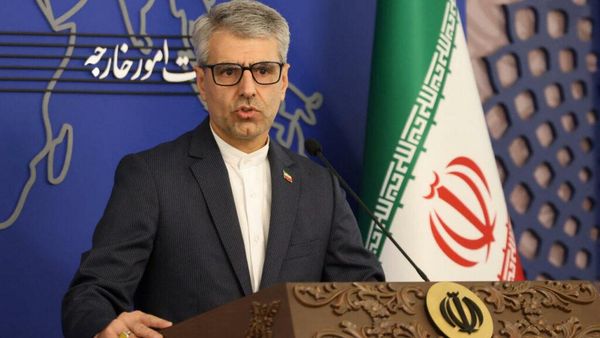
Iran Rejects Trump's Claims on Enriched Uranium Transfer
Iranian officials have called false U.S. President Donald Trump's claims of an agreement to transfer Iran's enriched uranium abroad, warning the statements could harm negotiations. The foreign ministry spokesman rejected halting enrichment and warned of a response to any blockade of the Strait of Hormuz.
 Reliable
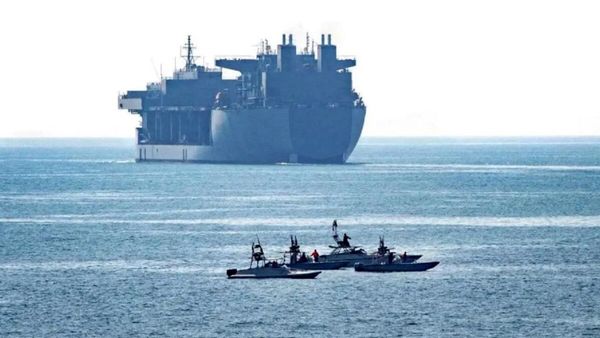
First Major Convoy Transits Strait of Hormuz Since US-Israel War Against Iran Began
A convoy of oil tankers and liquefied gas carriers is passing through the Strait of Hormuz, the first major movement since the US-Israel war against Iran began seven weeks ago. US President Donald Trump cited relatively good news on Iran but warned the ceasefire may not extend past Wednesday without an agreement.