
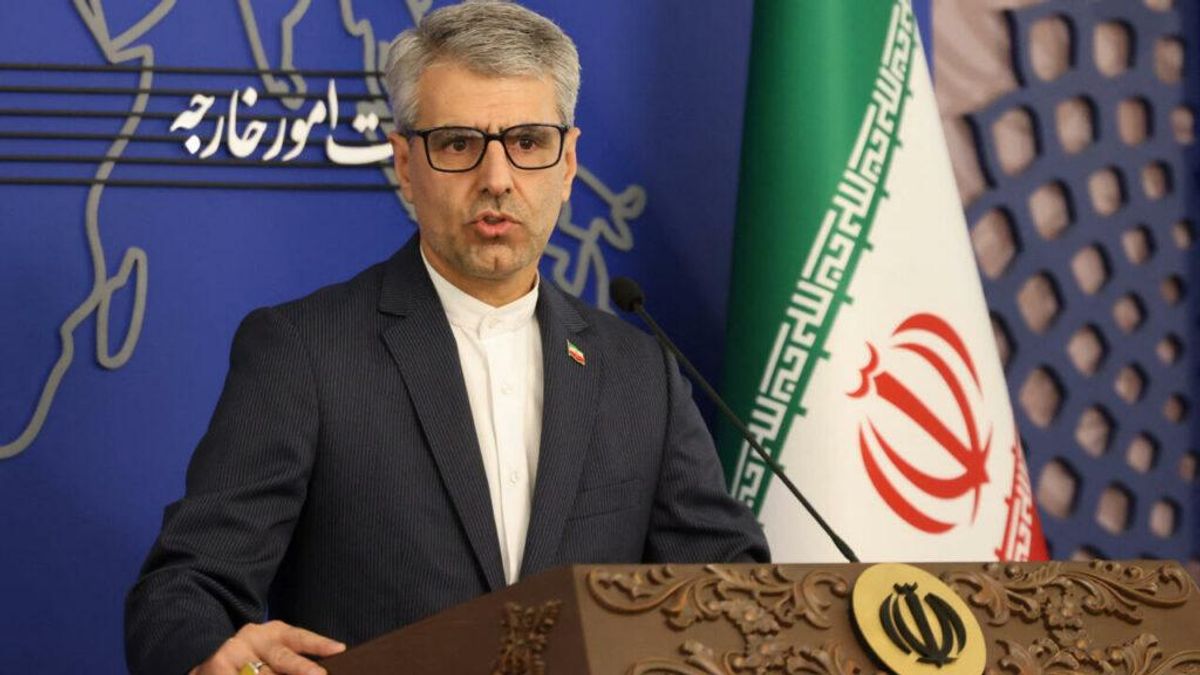
Iran Rejects Trump's Claims on Enriched Uranium Transfer
U.S. President Donald Trump's recent statements regarding Iran's enriched uranium have been met with strong denials from Iranian officials, who say the claims are untrue and risk derailing sensitive negotiations.
An unnamed senior Iranian official was quoted by CNN as saying that Trump is spreading lies and making baseless statements. The official cautioned that these remarks could have a negative effect on the nuclear talks. The official made it clear that Iran has never consented to transferring its enriched uranium to any foreign country nor has it agreed to stop its uranium enrichment program.
Separately, Iran's Foreign Ministry spokesman Esmaeil Baghaei addressed the issue directly. Baghaei stated that Iran will not transfer its enriched uranium anywhere. He characterized reports suggesting a permanent halt to enrichment activities as nothing more than a media campaign aimed at affecting the course of the negotiations.
The spokesman further described enriched uranium as sacred soil for Iran.
In addition to the nuclear issue, Baghaei commented on regional matters. He said that any decisions concerning the Strait of Hormuz are to be made by Iran. The spokesman warned that should there be any naval blockade, it would be in reaction to a ceasefire between Israel and Lebanon and that Iran would provide an appropriate response to such an action.
The coordinated response from Iranian sources underscores a unified position on these matters.
Know more about this story?
If you have additional information or believe something is inaccurate, let us know. Your tips help us stay accurate.
Where reports agree
- US President Donald Trump stated that the US would work with Iran to transfer its enriched uranium to America
- Iranian officials including the Foreign Ministry spokesman have rejected any transfer of enriched uranium and described related reports as false or part of a media campaign
- Iran will not stop its uranium enrichment activities and has never agreed to transfer enriched uranium abroad
- Trump's claims could negatively affect negotiations between the US and Iran
Where reports differ
- Hurriyat references an unnamed senior Iranian official speaking to CNN while Pajhwok directly quotes named Foreign Ministry spokesman Esmaeil Baghaei
- Pajhwok includes additional remarks on the Strait of Hormuz, civilian vessels, ceasefire with Israel and Lebanon, and responses to potential naval blockades that are absent from the Hurriyat report
More in International

US Extends Exemption for Countries to Purchase Russian Oil Until May 16
Consultative Dialogue Between Central Asia and Afghanistan Held

First Major Convoy Transits Strait of Hormuz Since US-Israel War Against Iran Began
UN Women Report: More Than 38,000 Women and Girls Killed in Israeli Regime Attacks on Gaza
 Reliable
US Extends Exemption for Countries to Purchase Russian Oil Until May 16
The US Treasury Department has extended an exemption for countries to purchase sanctioned Russian oil until May 16 to increase global oil supply amid disruptions from the war against Iran.
 Reliable
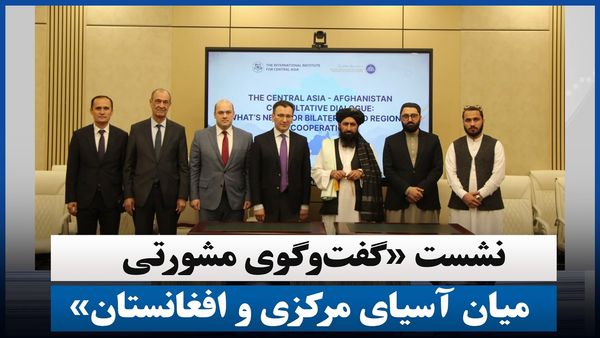
Consultative Dialogue Between Central Asia and Afghanistan Held
A session titled "Consultative Dialogue between Central Asia and Afghanistan" was held to facilitate engagement between the regions.
 Reliable
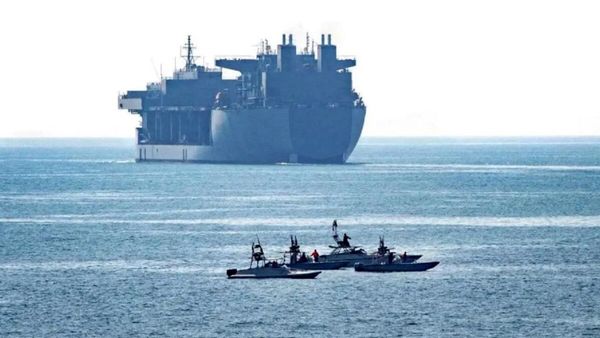
First Major Convoy Transits Strait of Hormuz Since US-Israel War Against Iran Began
A convoy of oil tankers and liquefied gas carriers is passing through the Strait of Hormuz, the first major movement since the US-Israel war against Iran began seven weeks ago. US President Donald Trump cited relatively good news on Iran but warned the ceasefire may not extend past Wednesday without an agreement.
 Reliable
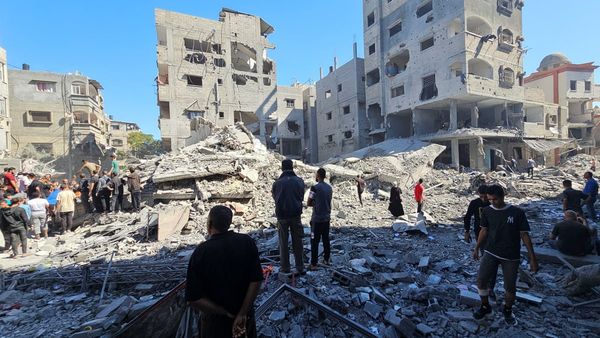
UN Women Report: More Than 38,000 Women and Girls Killed in Israeli Regime Attacks on Gaza
UN Women has reported that more than 38,000 women and girls have been killed in attacks by the Israeli regime on Gaza since the start of its genocide, averaging at least 47 per day. Nearly 11,000 have been wounded, most suffering disabilities, according to Sophia Calltorp, head of humanitarian actions at the agency.