
Hundreds of Afghan Refugees Endure Missile Attacks at Doha Camp
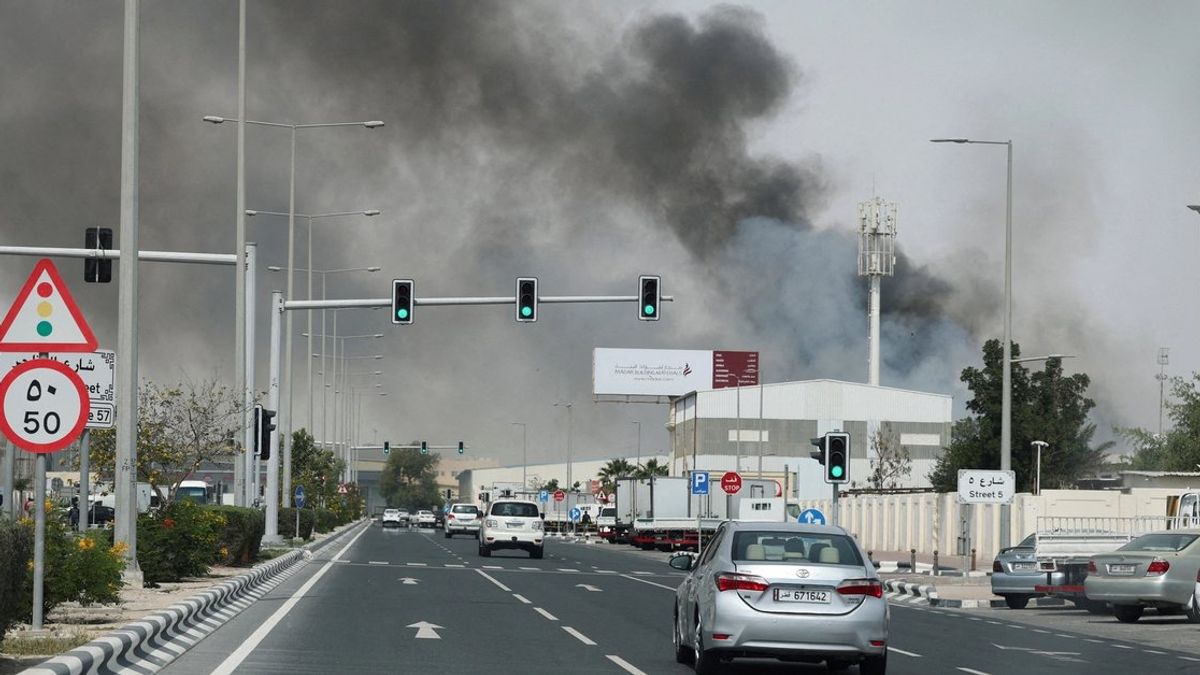
Hundreds of Afghan refugees, mostly women and children, are living in difficult conditions at the Siliyeh base near Doha, Qatar, amid repeated Iranian missile attacks since the start of the war between the United States, Israel and Iran.
Camp residents told ABC News they initially lacked proper shelters during the early weeks of the conflict and had to hide inside buildings. Missile shrapnel fell into bedrooms, including rooms with young children. Residents secretly recorded videos showing harsh living conditions and requested anonymity due to fears of deportation or punishment.
Some refugees were resettled in the United States during the Biden administration, but others remain at the camp. Afghan Evac, an organization aiding Afghan refugees, said about 800 residents had prior approval for U.S. resettlement that was halted after the Trump administration took power.
About four weeks after the war began, the camp installed concrete walls at building entrances and exits, with workers instructing residents to seek shelter upon hearing sirens. The U.S. State Department said it is addressing residents' concerns and plans to relocate the camp's population to a third country by the end of March.
A young Afghan mother at the camp said her daughter took her first steps there after more than a year in the facility and that she struggles to provide proper food or toys. Ahmad, a former colleague of U.S. forces in Afghanistan who has lived there for over 18 months with his children, said his son sleeps under the bed out of fear of missiles.
Shaun Vandiver, head of Afghan Evac, stated there is no legal or structural barrier to these individuals entering the United States. The group has urged the U.S. State Department not to leave the refugees in uncertainty.
Know more about this story?
If you have additional information or believe something is inaccurate, let us know. Your tips help us stay accurate.
Where reports agree
- Hundreds of Afghan refugees at Siliyeh base in Doha facing missile threats and poor conditions
- US State Department plans relocation by end of March
- Afghan Evac involvement and statements on halted US resettlements
More in International

Qatar Urges Immediate Cessation of War Against Iran in Call With Iranian Foreign Minister
Khalilzad Describes Fragile Progress in US-Iran Tensions Amid Shift to Negotiations
Iranian Ministry of Interior Reports 12 Million Volunteer Army Registrations in 10 Days
Israeli Military Warns Iranians to Avoid Trains and Railways Until 9 p.m. Iran Time
 Reliable
Qatar Urges Immediate Cessation of War Against Iran in Call With Iranian Foreign Minister
Qatar's Prime Minister and Foreign Minister Sheikh Mohammed bin Abdulrahman Al-Thani urged an immediate end to the war against Iran and restoration of regional stability during a phone call with Iran's Foreign Minister Seyyed Abbas Araqchi. Araqchi blamed the situation on aggression by America and the Zionist regime using regional bases.
 Reliable
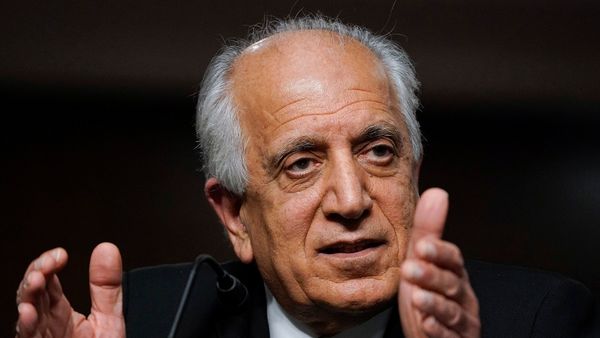
Khalilzad Describes Fragile Progress in US-Iran Tensions Amid Shift to Negotiations
Zalmay Khalilzad stated on social media that US-Iran tensions show fragile progress with a five-week ceasefire, reopened Strait of Hormuz, and delayed US escalation amid renewed talks. He highlighted ongoing obstacles over war guarantees and proposed a mutual commitment against returning to war during negotiations.
 Reliable
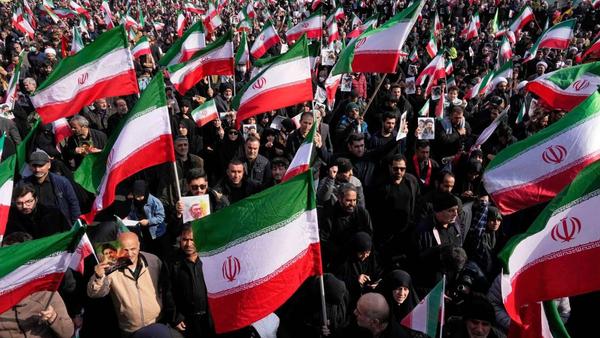
Iranian Ministry of Interior Reports 12 Million Volunteer Army Registrations in 10 Days
Iran's Ministry of Interior reported that 12 million people voluntarily registered to join the army within 10 days after a government appeal amid a US-Israel invasion. A video of Sistan residents shooting at US helicopters has gone viral on social media.
 Reliable
Israeli Military Warns Iranians to Avoid Trains and Railways Until 9 p.m. Iran Time
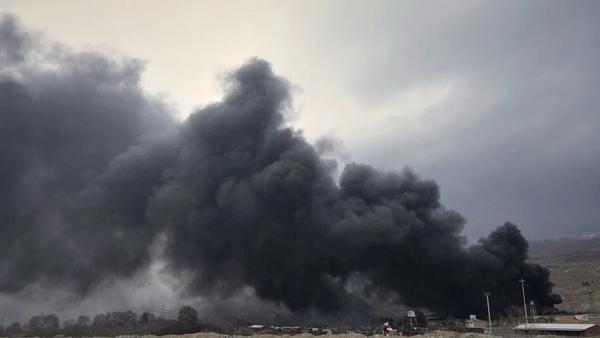
The Israeli military warned Iranians in Persian on its official X account to avoid trains and railways until 9 p.m. Iran time, citing risks to life amid potential strikes. The advisory comes after U.S. President Donald Trump's threats against Iranian civilian infrastructure over Strait of Hormuz issues.