
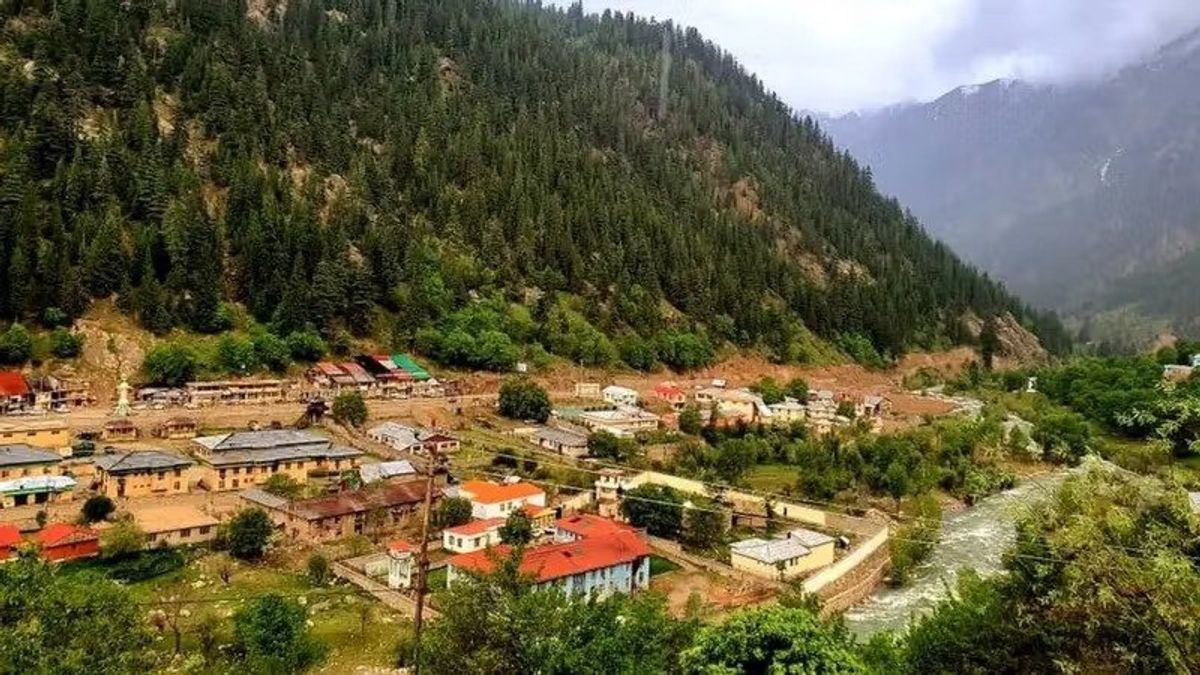
Humanitarian Aid Reaches Isolated Districts in Nuristan After Border Clashes
Humanitarian aid has reached the Kamdesh and Barg-e Matal districts of Nuristan province following a nearly two-month period of isolation caused by border clashes between the Taliban and Pakistani forces. The International Committee of the Red Cross stated that approximately 17,000 families, representing 136,000 individuals, faced severe shortages of food, medical care, and essential supplies during the disruption.
Relief agencies, including the International Committee of the Red Cross, the World Food Programme, and the Afghan Red Crescent, have initiated joint distribution operations now that access routes have reopened. The resumption of road traffic has also allowed local markets to restock and facilitated medical evacuations for residents requiring urgent care. Humanitarian officials emphasized that sustained security and unimpeded access remain critical to preventing a further deterioration of living conditions in the region.
While all reports confirm the restoration of aid deliveries, accounts differ regarding the circumstances of the blockade. Reports from Hasht-e Subh and Khaama Press explicitly attribute the road closures to Pakistani forces and note civilian casualties, whereas Amu TV describes the isolation as a result of broader border clashes without citing casualty figures. Coordination efforts for the relief operation have involved multiple regional and international humanitarian bodies.
Agencies are continuing to monitor the situation and coordinate with local authorities to ensure the safe and sustained delivery of assistance to vulnerable communities across Nuristan.
Know more about this story?
If you have additional information or believe something is inaccurate, let us know. Your tips help us stay accurate.
Where reports agree
- Clashes between Taliban and Pakistani forces caused a ~2-month isolation of Kamdesh and Barg-e Matal districts.
- ~17,000 families (136,000 people) faced critical shortages of food, medical care, and essentials.
- ICRC, WFP, and Afghan Red Crescent are conducting joint humanitarian distributions.
- Roads have reopened, enabling aid delivery, market restocking, and medical transfers.
- Agencies emphasize the need for sustained safe access to vulnerable communities.
Where reports differ
- Hasht-e Subh and Khaama Press report civilian casualties and explicitly attribute the road blockade to Pakistani forces, while Amu TV omits casualty figures and attributes the closure generally to border clashes.
- Amu TV includes the Iranian Red Crescent in coordination efforts, a detail absent in the other two reports.
More in Security
U.S. Trial Opens for Suspect in 2021 Kabul Airport Bombing
Public Security Police Intercept Hundreds of Undocumented Vehicles in Kabul
Iran Unveils Pink-Painted Shahed-136 Drones at Girls’ Day Event in Ahvaz
Gunmen Kill Two Federal Police Officers in Northwest Pakistan
 Reliable
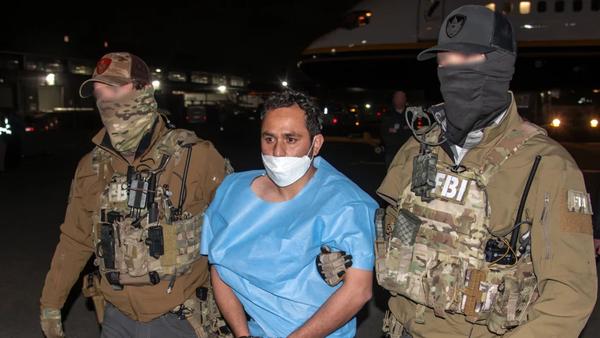
U.S. Trial Opens for Suspect in 2021 Kabul Airport Bombing
The federal trial of Mohammad Sharifullah for the 2021 Kabul airport bombing has begun in Virginia, with prosecutors alleging ISIS-K ties and defense attorneys claiming the wrong person was detained.
 Reliable
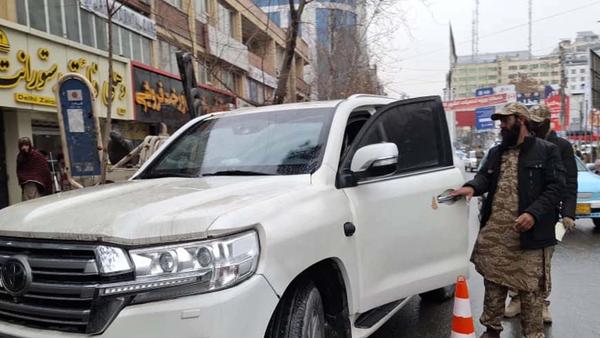
Public Security Police Intercept Hundreds of Undocumented Vehicles in Kabul
Kabul's Public Security Police intercepted 529 undocumented vehicles at city entry points and within the capital, redirecting them to enforce traffic regulations and strengthen urban security.
 Reliable
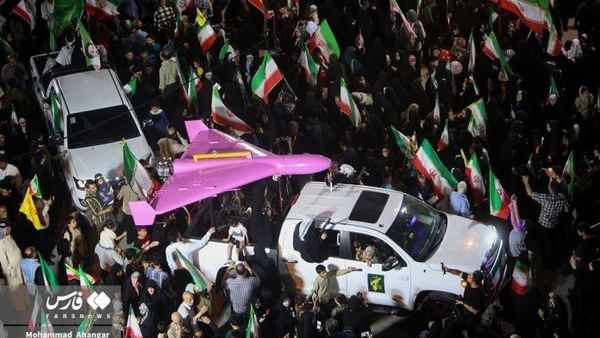
Iran Unveils Pink-Painted Shahed-136 Drones at Girls’ Day Event in Ahvaz
Iranian state media displayed pink-painted Shahed-136 drones at a Girls’ Day event in Ahvaz, framing the initiative as a tribute to young women’s role in national defense. The display has drawn mixed reactions online given the drone’s established use in regional conflicts.
 Reliable
Gunmen Kill Two Federal Police Officers in Northwest Pakistan
Two federal police officers were shot dead by gunmen on a motorcycle while shopping in a market in Pakistan's Bannu district of Khyber Pakhtunkhwa, prompting a security forces search with no group claiming responsibility. In a separate incident, militants destroyed an abandoned police station with explosives, causing no casualties.