
Hasht-e Subh Examines Speculated US Role in Pakistan-Taliban Tensions
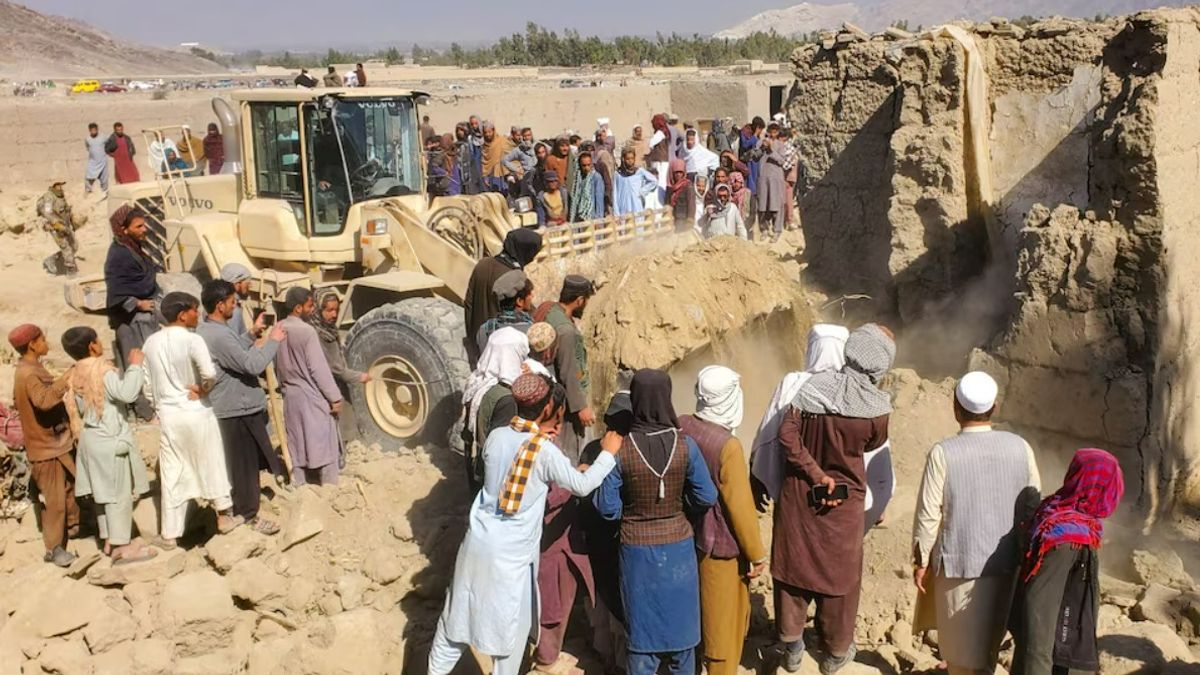
Hasht-e Subh has published an analysis suggesting potential US involvement in escalating tensions between Pakistan and the Taliban, though it notes no strong documented evidence has been presented. The piece highlights claims by Taliban spokesperson Zabihullah Mujahid, who in a recent interview with a domestic media outlet stated that portions of the Pakistani military support attacks on Afghanistan as part of a major power's project to destabilize the region. Mujahid has made similar assertions previously, including during Pakistan's attacks and negotiations in Doha and Istanbul. The analysis interprets Mujahid's reference to 'portions of the Pakistani military' as targeting Army Chief General Asim Munir, who has issued strong warnings against the Taliban, and implies the major power is the United States without naming it explicitly.
The article portrays Mujahid's statements as calculated to depict Pakistan's political system as divided between civilian and military branches, with the military itself split. It speculates on US motives for supporting Pakistan against the Taliban, including revenge for the US withdrawal from Afghanistan—described by former President Donald Trump as a fiasco—fulfillment of alliance commitments against terrorism, and a softening of Trump's stance toward Pakistan compared to his first term, when he labeled it a 'huckster.' Recent interactions are cited, such as Pakistani Prime Minister Shehbaz Sharif calling Trump a 'peace hero' at a Washington peace summit on Gaza, with Trump responding positively, expressing fondness for Sharif and praising General Munir.
Taliban officials have repeatedly claimed Pakistan advances major powers' destabilization efforts, separating the Pakistani people from its political system. The analysis questions why the US might back Pakistan, potentially extending to actions against the Afghan Taliban amid ongoing Pakistan-TTP conflicts.
More in Politics
Azar Nafisi: Iranians Want the Same Things as People Around the World
Kabul Governor Meets Deh Sabz District Officials

Islamic Emirate Exempts Fees for Citizenship Card Verification

Venezuela Approves General Amnesty Law, Opposition Politician Released
Azar Nafisi: Iranians Want the Same Things as People Around the World
Iranian author Azar Nafisi discusses the roots of recent protests in Iran, emphasizing women's loss of fundamental rights under the Islamic Republic and the broad societal hope amid repression. In a BBC interview, she highlights solidarity across genders and generations as a sign of potential change.
 Reliable
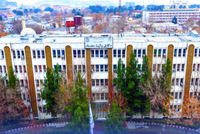
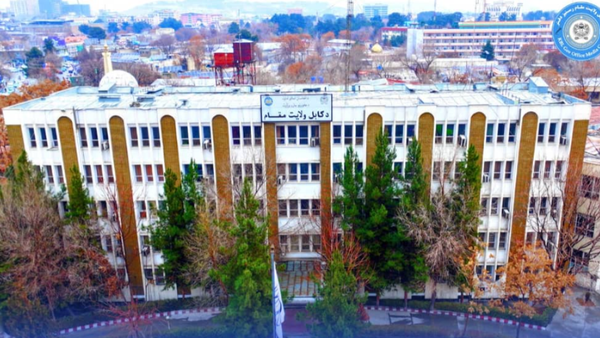
Kabul Governor Meets Deh Sabz District Officials
Kabul Governor Mullah Aminullah Obaid held a meeting with Deh Sabz district officials, urging better coordination on the New Kabul City project and directing anti-corruption measures.
 Reliable
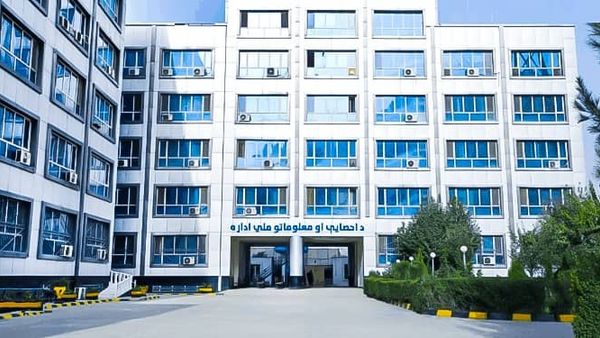
Islamic Emirate Exempts Fees for Citizenship Card Verification
The Islamic Emirate of Afghanistan has exempted fees for verifying citizenship tazkiras, according to the National Statistics and Information Authority. Error corrections in tazkiras will also be provided free after official verification.
 Reliable
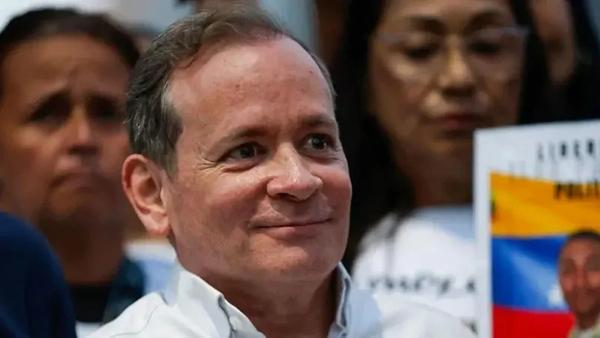
Venezuela Approves General Amnesty Law, Opposition Politician Released
Venezuela's National Assembly approved a general amnesty law, leading to the release of hundreds of prisoners including opposition leader Juan Pablo Guanipa, amid criticism that the measure is incomplete.