
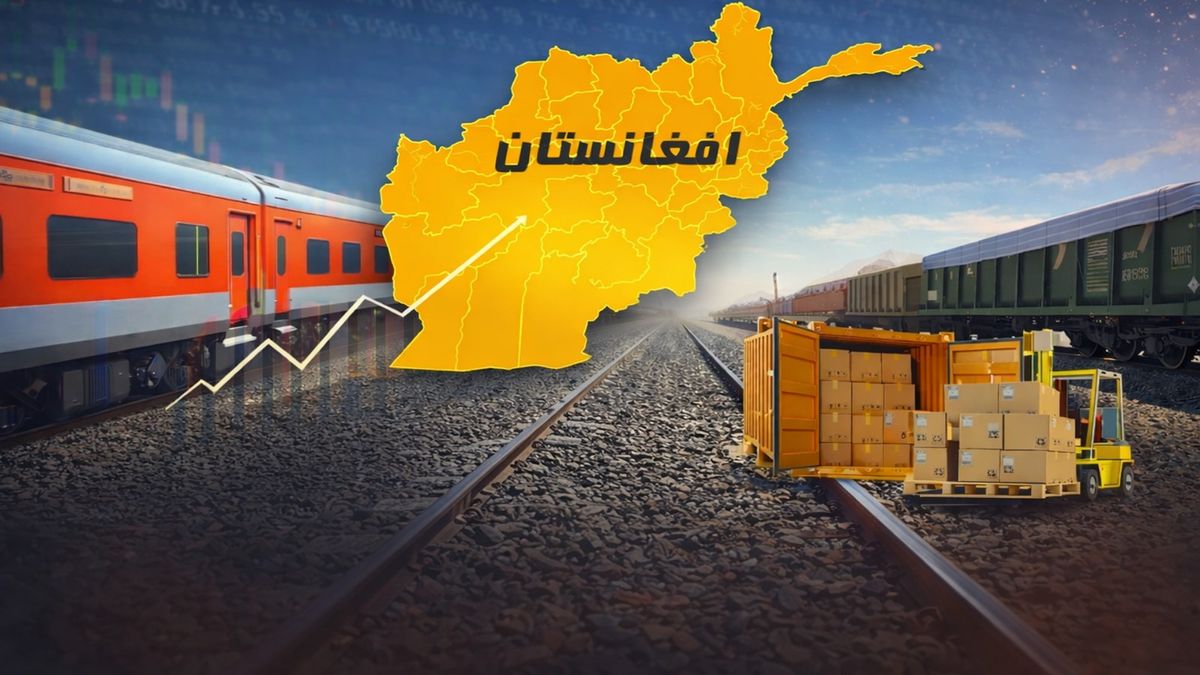
Goods Transport Through Afghanistan's Border Ports Increases by 39.1 Percent
The volume of commercial goods transported through Afghanistan's four key border ports increased by 39.1 percent in solar year 1404, according to the Ministry of Public Works.
The total rose to approximately 6.12 million metric tons from 4.3 million tons in solar year 1403. The ports involved are Hairatan, Aqina, Torghundi and Khaf-Herat.
Ministry spokesperson Mohammad Ashraf Haqshenas attributed the increase to regular planning, monitoring, infrastructure development and the efforts of staff. He said the ministry is carrying out reforms aimed at providing more transparent services.
The goods transported included imports of petroleum products, wheat, flour, cement, sugar and other food and construction materials. Exports amounted to 74,752 tons, mainly dried fruits, rice, potatoes, vegetables and other items.
The announcement comes as the United Nations World Food Programme has reported that food prices in Afghanistan have risen by up to 47 percent due to higher transport costs and altered supply routes.
Know more about this story?
If you have additional information or believe something is inaccurate, let us know. Your tips help us stay accurate.
Where reports agree
- All sources confirm the Ministry of Public Works reported a 39.1% increase in commercial goods transit volume for solar year 1404 versus 1403.
- Core totals are consistent: ~4.3 million tons in 1403 and ~6.12 million tons in 1404.
- The four border ports involved are Hairatan, Aqina, Torghundi and Khaf-Herat.
- Transported goods include both imports (oil, wheat, construction materials etc.) and exports (dried fruits, minerals, agricultural products etc.).
- The story is based on official statements from the Taliban-run Ministry of Public Works.
Where reports differ
- Slight variations in exact 1404 tonnage (6.1 million vs 6,119,497 vs 6,119,498) and per-port breakdowns (only Amu TV gives full port-by-port figures).
- Only RTA reports additional specifics on 103,944 wagons and 4,636 containers.
- Only Amu TV includes contextual information about rising food prices from a UN WFP report.
- Hurriyat and RTA emphasize reasons for the increase (planning, infrastructure); Amu TV does not.
- Minor title differences (railway lines vs highways) but all bodies describe the same border port transit.
More in Economy
Bekdali Says Iran Wants to Increase Afghanistan's Export Share to Iran
82 Projects Completed and Put into Operation in Daikundi Province
More Than 200 Projects Implemented in Zabul at Cost of Nearly 6 Billion Afghanis
Three Residential Facilities Completed at Sheikh Abu Nasr Farahi Port in Farah
 Reliable
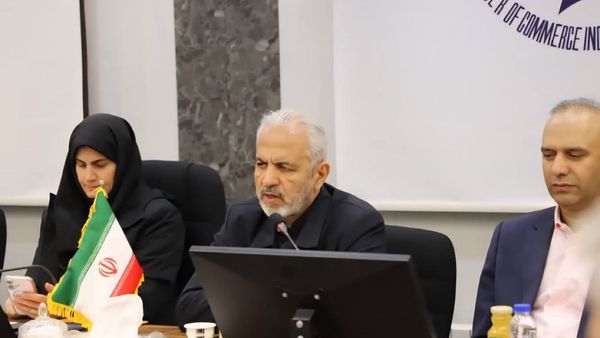
Bekdali Says Iran Wants to Increase Afghanistan's Export Share to Iran
Iran's chargé d'affaires in Kabul says his country wants to increase Afghanistan's export share and has invited the private sector to boost activity, with over one hundred thousand tons already moved by rail this year. However, the US-Israel war on Iran and Taliban-Pakistan tensions are raising fears of trade halts and higher prices in Afghanistan.
 Reliable
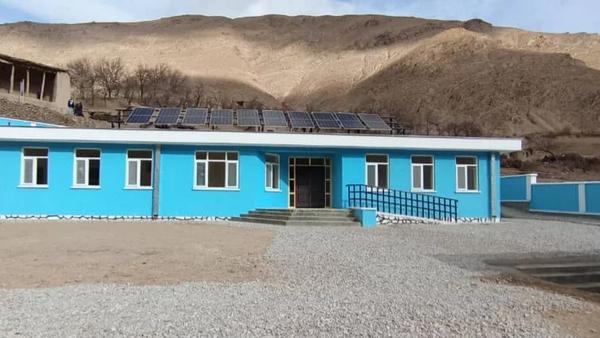
82 Projects Completed and Put into Operation in Daikundi Province
Eighty-two development projects were completed and operationalized in Daikundi province in solar year 1404. They were funded by the Islamic Emirate and institutions at a total cost of 250 million Afghanis and 30 million dollars respectively, covering infrastructure, education, health and agriculture, with local residents expressing their happiness with the facilities provided.
 Reliable
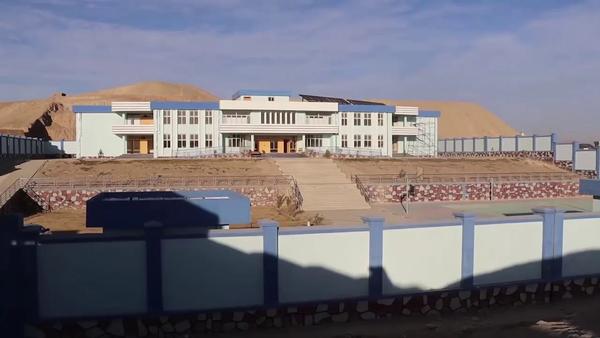
More Than 200 Projects Implemented in Zabul at Cost of Nearly 6 Billion Afghanis
Zabul province implemented 201 projects costing nearly 6 billion Afghanis during solar year 1404, providing short and long-term jobs for around 30,000 people. In addition, more than 173,000 families in Kalat received 3,679 metric tons of food and 401 million Afghanis in cash assistance.
 Reliable
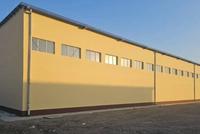
Three Residential Facilities Completed at Sheikh Abu Nasr Farahi Port in Farah
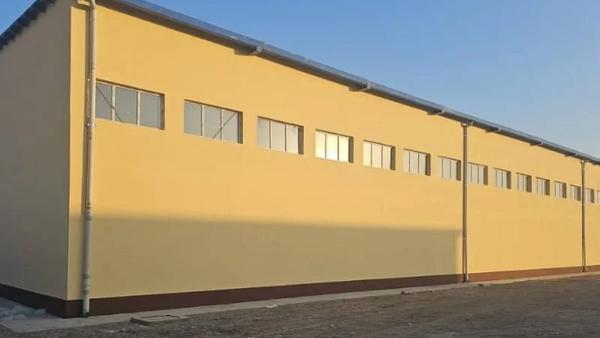
Three residential facilities costing 18 million Afghanis have been completed and handed over at the Sheikh Abu Nasr Farahi Port in Farah province to benefit traders and clients. Construction of four large warehouses costing 178 million Afghanis is 90 percent complete, with officials saying commercial facilities have improved and trader issues have largely been resolved.