
ECONOMY — March 23, 2026
Gold and Silver Prices Drop Sharply Amid Middle East Tensions
Gold prices plunged 5.8% to $4,226 per ounce on Monday amid Middle East tensions and expectations of interest rate hikes, marking the largest weekly drop since 1983. Silver, platinum and palladium also recorded sharp declines.
The Ehtebar Desk — originates with Khaama Press — corroborated by Pajhwok and ToloNews — 2 min read
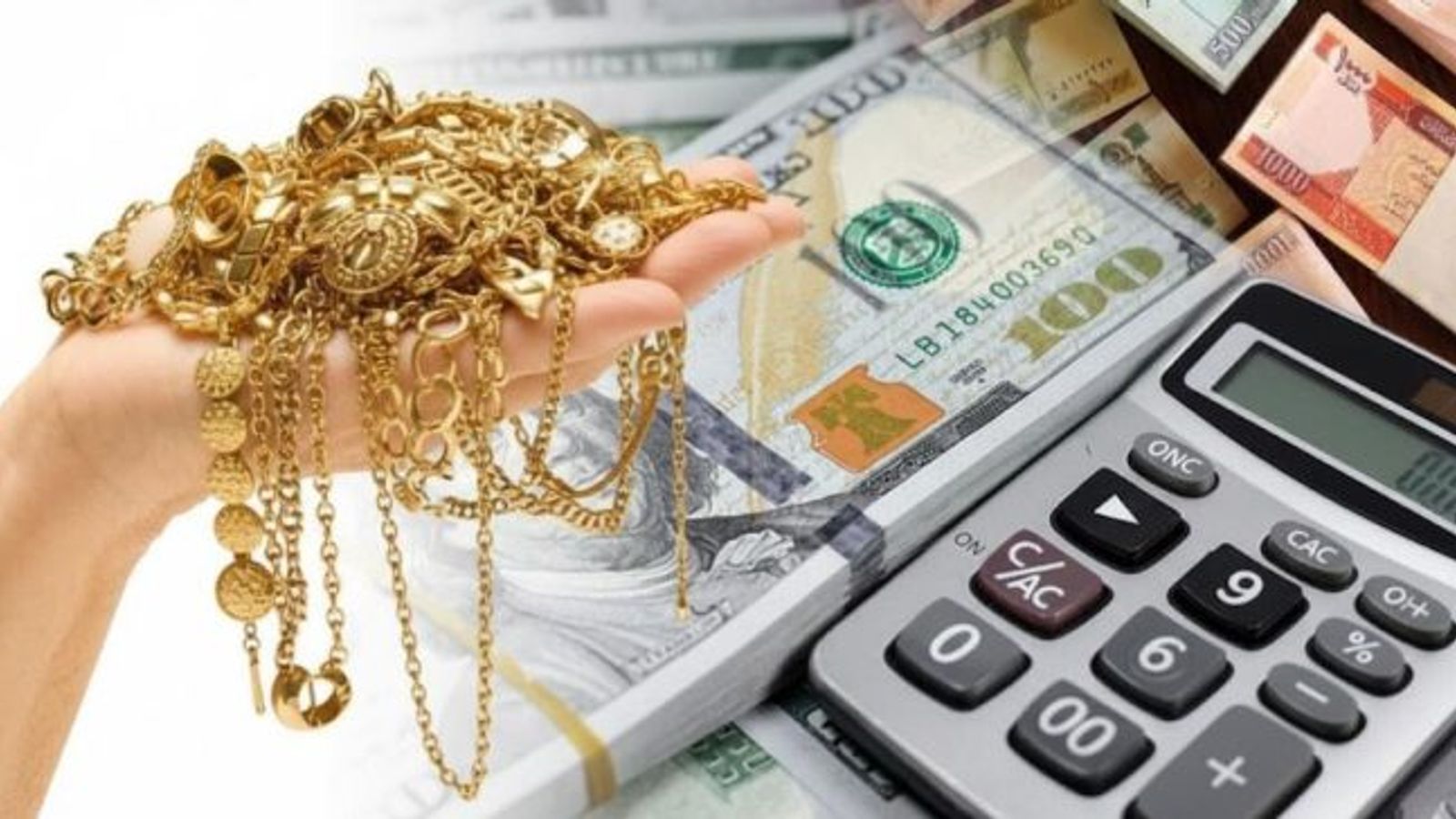
Gold and silver prices fell sharply on Monday, with spot gold dropping 5.8% to $4,226 per ounce, marking its ninth consecutive session of losses and the largest weekly decline since 1983.
Prices fluctuated between $4,160 and $4,536 during the day, slipping roughly 6% from Friday’s close and falling below $4,300 for the first time since December 2025. U.S. April gold futures mirrored the decline, falling 7.5% to around $4,231. Last week, gold lost over 10% in value, reaching the lowest level of 2026.
Other precious metals also posted steep declines. Silver dropped 8.9% to $61.76 per ounce, platinum fell 9% to $1,749 and palladium decreased 5.2% to $1,330.
Analysts attributed the drops to escalating Middle East tensions, including pressure on Iran, which have driven oil prices to $100–$110 per barrel. These factors have heightened inflation concerns and raised expectations of higher global interest rates. Gold, as a non-yielding safe-haven asset, has lost appeal amid rising returns elsewhere, prompting investors to sell holdings to offset losses in other areas.
Potential disruptions in energy supply, including threats to the Strait of Hormuz, have added to pressures on inflation and production costs. Financial markets reacted negatively, with Asian stock indices falling and the U.S. dollar strengthening. Market data indicate the Federal Reserve is more likely to raise interest rates than cut them before the end of 2026.
The combination of geopolitical risks, surging energy prices and shifting monetary policies is exerting significant downward pressure on gold and other precious metals, creating short-term uncertainty for investors.
Read the original reporting at Khaama Press →
Reliability assessment
Corroborated by three independent Afghan outlets (Khaama Press, Pajhwok, ToloNews) reporting the same core event of sharp gold and silver price drops with consistent details on percentage declines and quoted prices.
The source language mixes facts with framing or advocacy wording. Khaama Press: "one of their sharpest declines in decades", "fallen sharply, losing safe-haven appeal", "steep declines" - these phrases employ hyperbolic and dramatic language to intensify the perception of market volatility, blending factual reporting with emotional emphasis.
Across the newsrooms
Filed by 3 outlets
Khaama Press
Originating
Framed
Framed
Pajhwok
Reported straight
Reported straight
ToloNews
Reported straight
Reported straight
Filed under
Economy — Gold prices, Silver prices, Middle East tensions, Iran, Interest rates
Reader supported
Keep Ehtebar running
Every published story uses paid tools to translate reporting, compare sources, extract claims, and produce a clearer read on Afghanistan. Reader support helps keep that work independent.
€5
helps cover daily verification runs
€15
supports a week of source comparison
€50
keeps independent analysis moving
More in Economy

Economic Commission Approves 37 Domestic Standards and 12 Testing Methods
— Reliable

Taliban Governor Says Around 700 Mines Under Extraction in Panjshir
— Reliable

Daily Production at Baghlan's Ghori Cement Factory Increases to 700 Tons
— Reliable

Two Irrigation and Flood-Prevention Projects Completed in Zabul
— Reliable