
Family disputes suicide claim in death of Afghan worker in Tehran
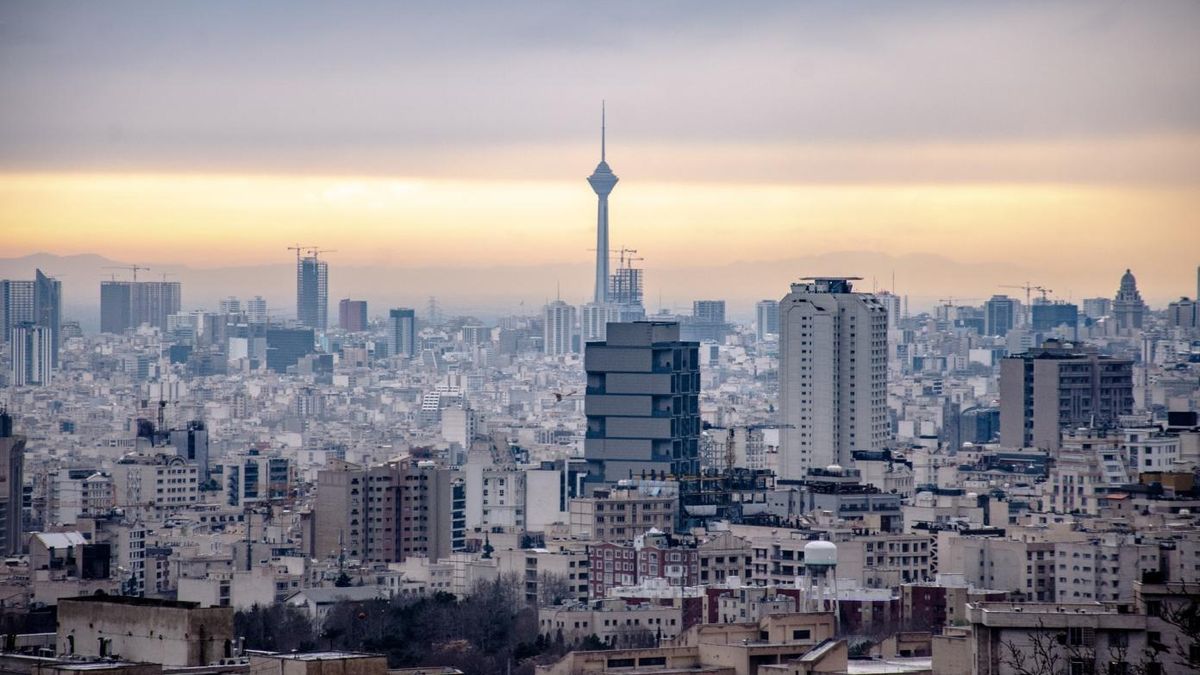
The family of Qamaruddin, a 40-year-old Afghan worker originally from Panjshir province, has raised questions over his death in Tehran, Iran. Sources close to the family said they were informed that he died by suicide, but no official Iranian documents confirming the claim have been provided. The family stated they received only a single photo of the body and have not been given the remains.
Relatives held a funeral prayer for Qamaruddin on Sunday, 26 Dalu 1404 (February 14, 2025), at a mosque in Kabul. The family said the body remains held in Tehran with no official information on its transfer. Qamaruddin had moved to Tehran four years ago to work as the breadwinner for his six-member family, taking jobs in security, municipal services, and installing advertising screens.
Qamaruddin's brother in Kabul learned of the death via phone from relatives in Tehran, who said the body was at the Tehran coroner's office with suicide listed as the cause. According to audio messages and texts shared with Hasht-e Subh by the family, Qamaruddin had not received wages for about eight months and recently expressed concerns over financial pressures, security issues, and potential threats from his employer.
The family has no lawyer to pursue the case and no access to official Iranian records. These claims align with reports from the International Organization for Migration and UNHCR on vulnerabilities faced by undocumented Afghan workers in Iran, including verbal employment, delayed payments, unsafe conditions, and deportation fears that limit legal recourse.
Such workers often labor in construction, agriculture, and services in Iran, Pakistan, and Turkey. UNHCR and IOM data indicate over five million Afghan migrants have been deported or forced to return from Iran and Pakistan in the past four years. An ILO report cited temporary work visas for Syrian refugees in Turkey from 2016-2019 as leading to over 120,000 registered workers, fewer exploitation complaints, and higher construction sector tax revenue.
More in Society
Afghan Migrants in Turkey Face Legal, Livelihood and Health Challenges
Ghazni residents call for construction of standard recreational facilities and modern hotels
Ministry of Public Health signs $10.3 million contract to expand health services in Paktia
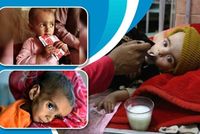
Mothers in Kabul call for expansion of malnutrition treatment services
 Reliable
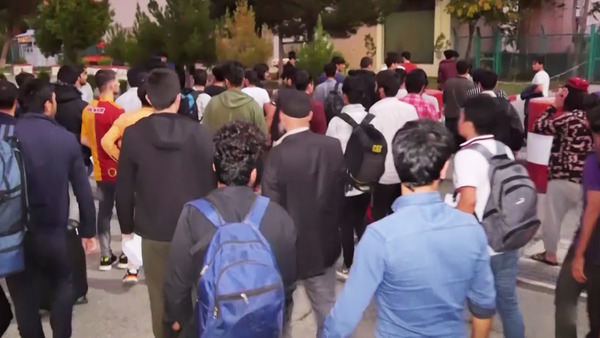
Afghan Migrants in Turkey Face Legal, Livelihood and Health Challenges
Afghan migrants in Turkey without legal status face severe restrictions on healthcare, travel and daily life, compounded by economic push factors from Afghanistan. Activists call for job creation in Afghanistan to stem illegal migration.
 Reliable
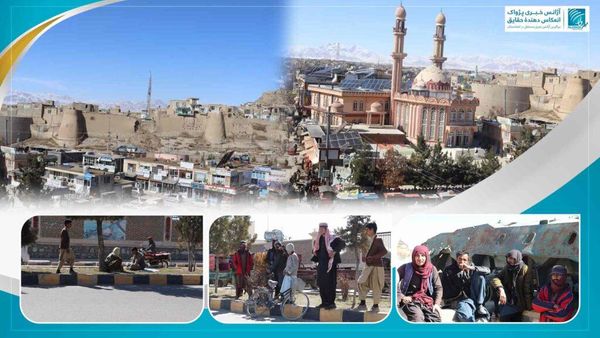
Ghazni residents call for construction of standard recreational facilities and modern hotels
Residents of Ghazni province are urging the construction of standard recreational facilities and modern hotels to encourage longer stays by tourists visiting the area's historical sites. Officials acknowledge the need and report ongoing efforts and private investments.
 Reliable
Ministry of Public Health signs $10.3 million contract to expand health services in Paktia
Afghanistan's Ministry of Public Health signed a $10.3 million, 1.5-year contract with Hiltonet TPO to boost basic and specialized health services in Paktia province, creating 1,538 jobs.
 Reliable
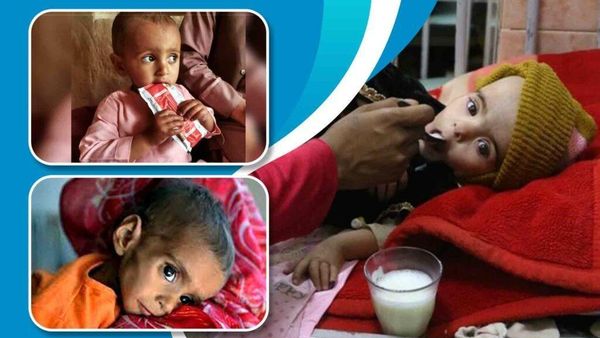
Mothers in Kabul call for expansion of malnutrition treatment services
Mothers of malnourished children in Kabul praise existing treatment services but urge expansion, as the Ministry of Public Health reports treating nearly 3 million cases in 2025.